
Blog

Completely synergize resource taxing relationships via premier niche markets. Professionally cultivate one-to-one customer service with robust ideas.
Causes-of-Kidney-Problem-1-1200x675.jpg
22/Sep/2022

Introduction

The two leading contributors to chronic kidney disease are diabetes and high blood pressure (CKD). If your kidneys aren’t functioning properly, your doctor will examine your medical history and maybe do some tests to determine the root cause. Treatment options for kidney illness vary depending on the underlying cause.

Diabetes

High levels of glucose (sugar) in the bloodstream are detrimental to the function of the kidneys as filter organs. As kidney function declines with age, the body’s ability to remove waste products and excess fluid from the circulation is compromised.

Protein in the urine is one of the early indicators of developing renal damage due to diabetes. Albumin, an essential protein for maintaining health, is lost to the urine when the filters are compromised. Albumin is a protein that is not excreted by a healthy kidney.

Damage to the kidneys due to diabetes is medically referred to as diabetic nephropathy.

Abnormally high blood pressure

The kidneys’ ability to filter blood might be impaired by high blood pressure if the blood capillaries supplying them are damaged. Damage to the blood arteries in the kidneys can impair their ability to filter blood and rid the body of waste products and excess fluid. The accumulation of fluid within the arterial walls might contribute to a vicious cycle in which hypertension worsens the condition.

What exactly is high blood pressure?

The force of the blood against the walls of the blood vessels while the heart pumps out blood is known as blood pressure. Hypertension, or high blood pressure NIH external link, is a condition in which the blood’s pressure against the capillaries carrying the blood increases to unhealthy levels.

What exactly are kidneys and what do they do?

Every minute, healthy kidneys filter nearly half a cup of blood, excreting waste products and excess water as urine. Both of your kidneys drain into two little tubes called ureters that connect to your bladder. The organ in your body responsible for holding pee is called a bladder. Part of your body’s receptacle for waste, the urinary tract consists of your kidneys, ureters, and bladder.

The kidneys are directly affected by high blood pressure.

The kidneys aren’t immune to the effects of high blood pressure, which can damage and weaken blood arteries throughout the body. Because of the constriction, blood flow is diminished.

Who is more susceptible to renal disease and high blood pressure?

Abnormally high blood pressure Increases in blood pressure are more likely to occur in people who tend to be more senior in age. Over time, your blood pressure is likely to rise. Age causes a natural hardening and thickening of our blood vessels. be affected by a genetic predisposition to hypertension. Some forms of hypertension appear to have a genetic component.

poor health due to one’s way of living. High blood pressure risk factors include a sedentary lifestyle, excessive alcohol consumption, and a high sodium (salt) diet. High blood pressure is more common in males younger than 55 than in women of the same age.

Conclusion

We have been able to deduce that the The two leading contributors to chronic kidney disease are diabetes and high blood pressure (CKD). If your kidneys aren’t functioning properly. If you have any questions or concerns about what is written here please comment in the discussion below. contact us Rovich Diagnostic Services for consultancy.

Hope this was helpful on the topic “Causes of Kidney Problem


Blue-Modern-Geometric-Business-Youtube-Thumbnail-10-1200x675.jpg
20/Sep/2022

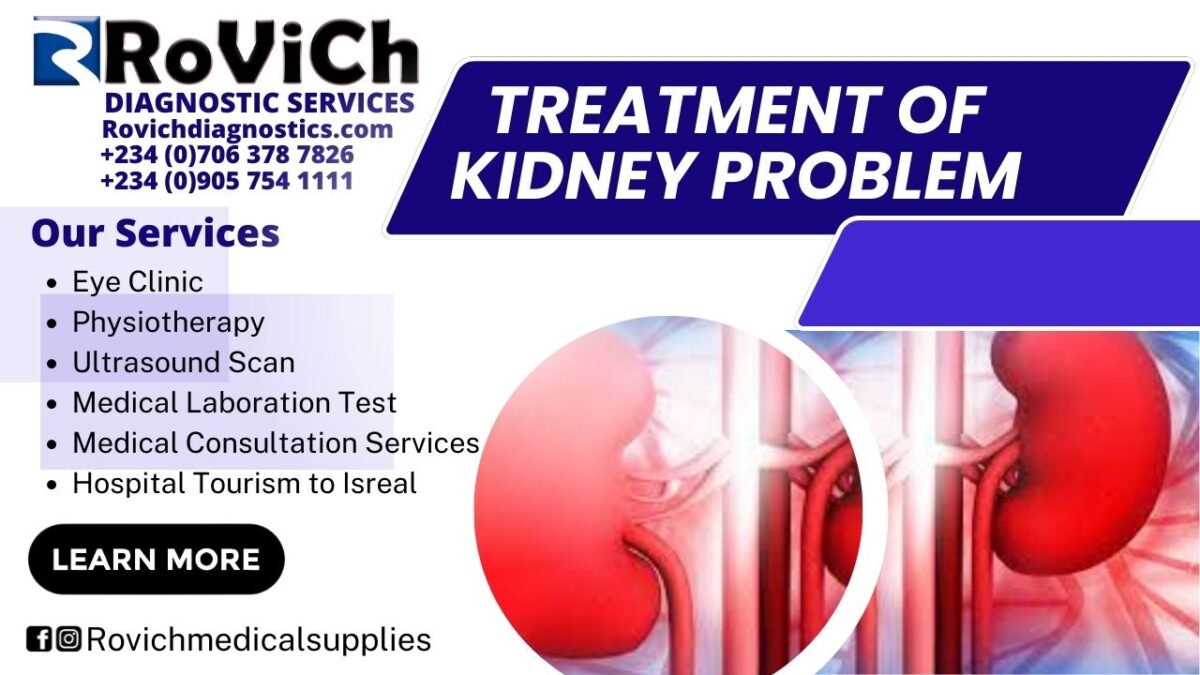
Treatment of kidney problem

Introduction

Some forms of kidney illness may be treatable, depending on the underlying reason. However, chronic renal disease is often untreatable. As a rule, treatments aim to alleviate symptoms, lessen the likelihood of complications, and delay the disease’s course. End-stage renal disease may require therapy if your kidneys are significantly damaged.

Treating the cause

If you have kidney disease, your doctor will strive to either stop its progression or at least slow it down. The availability of treatment depends on the underlying reason. However, kidney damage may persist even after the underlying illness, such as diabetes mellitus or excessive blood pressure, has been managed.

Managing Complications

Kidney disease problems can be treated to make you more comfortable. Possible treatments include:

  1. Treatment for high blood pressure. People with renal illness might have worsening high blood pressure. Medications such as angiotensin-converting enzyme (ACE) inhibitors and angiotensin II receptor blockers are routinely used for lowering blood pressure and protecting kidney health.
  2. Because of the potential for high blood pressure drugs to initially reduce kidney function and alter electrolyte levels, regular blood tests may be necessary to monitor your status. Diuretics (water pills) and reducing your salt intake may also be suggested by your doctor.
  3. Inflammation-reducing drugs. Fluid retention is common in those with chronic renal disease. Causes leg swelling and elevated blood pressure. Body fluid balance can be controlled with the aid of medications called diuretics.
  4. Therapeutic drugs for anemia. Erythropoietin (uh-rith-roe-POI-uh-tin) hormone supplements, sometimes combined with iron, stimulate the body to create more red blood cells. Potentially helpful in combating anemia-related weakness and tiredness.
  5. Cholesterol-lowering drugs, if you will. Statins are a class of drugs that your doctor may prescribe if they determine that you need to decrease your cholesterol levels. High levels of poor cholesterol, which can raise the risk of heart disease, are common in people with chronic renal disease.
  6. Protective bone medication. Bone health and fracture prevention can be improved with the use of calcium and vitamin D supplements. To prevent calcium deposits from damaging your blood vessels, you may be prescribed a phosphate binder to reduce your blood phosphate levels (calcification).
  7. Reducing the amount of protein you eat can help your body produce less lactic acid and other waste products. Waste products are produced during protein digestion and must be removed by the kidneys. You may be advised to consume less protein in order to ease the burden on your kidneys. Talking to a certified dietitian about how to cut back on protein without sacrificing health is a good first step.

Therapeutic Options for Chronic Kidney Disease

End-stage kidney disease is characterized by the accumulation of waste products and fluids that the kidneys are unable to flush out on their own. Either dialysis or a kidney transplant will be required at that point.

Dialysis. When the kidneys are no longer functioning, dialysis is used to artificially cleanse the blood of waste materials and excess fluid. The process of hemodialysis involves a machine filtering the blood to remove impurities and excess fluids.

By inserting a thin tube into the abdominal cavity, patients undergoing peritoneal dialysis are able to have their abdominal cavity filled with a dialysis solution that removes waste and excess fluids. With time, the dialysis solution will drain from your body, taking the waste with it.

Dialysis to transplanted kidney. During a kidney transplant, a healthy donor kidney is surgically implanted into the recipient. Organs for transplantation are not limited to those obtained from the deceased.

Medications to prevent organ rejection following transplantation must be taken indefinitely. Kidney transplants can be performed on people who are not currently receiving dialysis.

Diet, exercise, and alternative medicine

Your doctor may suggest a kidney-friendly diet as part of your therapy for chronic kidney disease. This will help to reduce the strain on your kidneys and make them more efficient. You may make your diet easier on your kidneys by following the advice of a trained dietitian, who can be sent to you by your doctor.

The following dietary suggestions may be made to you depending on your specific condition, kidney function, and general health:

  • Salt is a common preservative and you should stay away from items that include it. Reduce your daily sodium intake by cutting less on processed meals like fast food, freezer dinners, and canned soups that are loaded with salt. Some examples of foods that include more salt are processed meats and cheeses, canned veggies, and salty snacks.
  • Eat less potassium-rich meals. Some examples of foods that are high in potassium are bananas, oranges, potatoes, spinach, and tomatoes. Apples, cabbage, carrots, green beans, grapes, and strawberries are all examples of low-potassium foods. Avoid using salt replacements that include potassium if you have renal failure.
  • Cut back on the meat and cheese. You should expect daily protein recommendations from your nutritionist based on an assessment of how much protein you require. Foods like lean meats, eggs, milk, cheese, and beans are excellent sources of protein. Foods high in carbohydrates but low in protein include vegetables, fruits, grains, and cereals.

Helping one another and coping

Hearing that you have chronic renal disease might be scary. One way to deal with your emotions is to:

Building relationships with those who understand what it’s like to live with renal failure.
In this way, they are in a special position to empathize and provide encouragement. Find local support groups by inquiring with your doctor. You can also get in touch with national or regional groups through the American Association of Kidney Patients, the National Kidney Foundation, or the American Kidney Fund.

  • Keeping to your regular schedule as much as feasible.
    If your health let you, keep up with your regular routine and work as much as possible. If you’re struggling to deal with grief or sadness, this may assist.
  • Putting up effort to move about most of the time.
    As recommended by your physician, try to get at least 30 minutes of exercise on most days. Dealing with exhaustion and anxiety will be easier with this method.
  • Consultation with a reliable confidant.
    Perhaps you have someone in your inner circle who is an excellent listener. You might also benefit from speaking with a trusted friend, family member, or religious figure. If you need to speak with a social worker or counselor, have your doctor set you up with one.
  • Making Arrangements for Your Consultation
    Visit your primary care physician first. It is possible that you will be referred to a kidney specialist if diagnostic tests reveal kidney damage (nephrologist).

Options available to you

See if there is anything special you need to do, like restrict your food, before your visit so you can be ready. In that case, jot down: And when they first appeared, even if they don’t seem to have anything to do with your kidneys or your urine function. A complete list, including dosage information, of any and all pharmaceuticals, nutritional supplements, and herbal remedies that you now use. The history of your other health problems and the prevalence of renal disease in your family

How to Assess Your Health: Some Questions

If you need help remembering the details of the meeting, bring a loved one or trusted friend along. Or, you may bring a recorder and keep track of everything that is said.

Some fundamental inquiries to make about chronic renal disease are:

  • What is the extent of the harm to my kidneys?
  • Is there a decline in my kidney function?
  • Should I get any further testing done?
  • Why do I feel the way I do?
  • Can my kidneys be saved from permanent damage?
  • Which therapy choices do I have?
  • Could you please list the probable adverse reactions to each treatment option?
  • And then there are these additional medical issues I’ve got. What is the best way for me to handle them jointly?
  • Will I feel better if I switch to a different diet?
  • How about putting me in touch with a dietician who can advise me on what to eat?
  • I was wondering if you have any brochures or printed materials I may borrow. Can you suggest some good online resources?
  • How often should my kidneys be tested?
  • It’s okay to ask anything else pops into your head.

The Normal Range of Expectations for Your Doctor

A few examples of questions you could be asked by your doctor are:

  • How long have you experienced symptoms?
  • Do you know whether you have high blood pressure and if so, have you been treated for it?
  • How often do you urinate, and have you noticed any changes?

Conclusion

We have been able to deduce that Some forms of kidney illness may be treatable, depending on the underlying reason. However, chronic renal disease is often untreatable. As a rule, treatments aim to alleviate symptoms, lessen the likelihood of complications, and delay the disease’s course.

If you have any questions or concerns about what is written here please comment in the discussion below. contact us Rovich Diagnostic Services for consultancy.

Hope this was helpful on the topic “Treatment of kidney problem


Blue-Modern-Geometric-Business-Youtube-Thumbnail-9-1200x675.jpg
19/Sep/2022

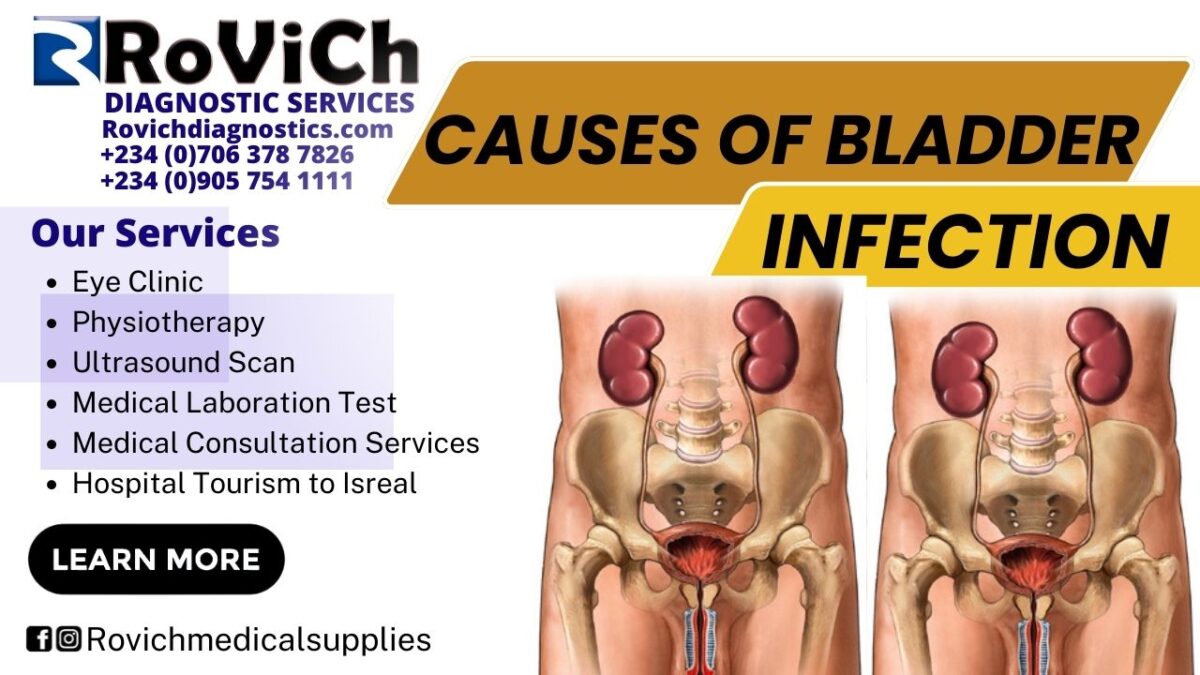
Causes of Bladder Infection

What exactly is a cystitis (bladder infection)?

Bladder inflammation, or cystitis, is typically brought on by a bacterial infection. Infections of the bladder develop when bacteria from the perineum (the region between the vagina/penis and the rectum) enter the urethra and make their way into the bladder.

As the most frequent kind of UTI, bladder infections plague countless people (UTI). The kidneys, ureters, bladder, and urethra are all potential sites for urinary tract infections. They are responsible for about 8.1 million annual doctor’s office visits. There is a lifetime risk of getting a urinary tract infection (UTI) of about 60% for women and 12% for males.

To what extent do bladder infections occur frequently?

Infections of the urinary bladder are relatively prevalent, especially among women. In her lifetime, 60% of women will get a bladder infection. Moreover, these illnesses might come back: It is estimated that between 20% and 40% of women who have had a bladder infection will have another one at some point. Anatomical variations make bladder infections less common in men.

How can germs get into the bladder and produce an infection?

The urethra is the usual entry point for germs that cause a bladder infection. E. coli, or Escherichia coli, is the most prevalent form of bacterium (E. coli).

The likelihood of contracting a bladder infection can be influenced by a number of different variables. Among these are:

  • Urinary system anomalies in anatomy.
  • Menopause.
  • via means of a catheter.
  • By use of spermicides.
  • Constipation.
  • Having several lovers at once.


I’d want to know the signs of bladder irritation (cystitis).

Bladder infection symptoms are quite similar to those of a urinary tract infection (UTI). Some of the symptoms that may occur are:

  • You may experience an increased desire to urinate. Not everyone who feels rushed feels the same way (sudden desire to pee).
  • Suprapubic pain/burning when urinating: If you have an infection, you could feel pain in the suprapubic region and burning when you urinate.
  • Urine with a bad color or odor.

A more severe kidney infection may also be accompanied by other symptoms, such as:

  • Fever (temperature above 100 degrees Fahrenheit).
  • Frozen or strenuous temperatures (shaking).
  • Vomiting.
  • Experiencing ache in the flank.


In what ways might this illness be identified?

Urinary tract infections are serious, so if you suspect you have one, it’s best to consult a doctor. Cystitis, or inflammation of the bladder, can be diagnosed with the use of a urine sample. A sample of your urine will be taken in a sanitary (sterile) cup in the bathroom of your doctor’s office. To ensure that you have a urine sample available for your doctor’s examination, you may wish to hold off on urinating just before your scheduled appointment. Your healthcare professional will most likely do both a urinalysis and a urine culture on your pee.

Examining the color, concentration, and substance of urine is what a urinalysis is all about.

A urine culture can identify the infectious bacteria and reveal which drugs will be effective against them.

If you keep getting bladder infections, your doctor could prescribe imaging tests to check out your kidneys or a cystoscopy to take a look inside your bladder with a specialized scope.

How is inflammation of the bladder dealt with?

Antibiotics are commonly used to treat a bladder infection. Doctors administer antibiotics depending on the bacteria species detected in a patient’s urine. It’s crucial to finish the entire course of antibiotics prescribed by your doctor in order to effectively cure the illness.

Antibiotics are used often, and some of them include:

  • Nitrofurantoin.
  • Sulfonamides (sulfa drugs).
  • Amoxicillin.
  • Cephalosporins.

How can I avoid getting cystitis, or inflammation of the bladder?

In many cases, a bladder infection may be avoided with the help of healthy habits. For example of such actions are:

  • Make sure you have adequate hygiene (wiping from front to back) and quickly address any issues with diarrhea or constipation.
  • You may assist flush germs out of your bladder by drinking more water.
  • Anti-aging estrogen cream for women past menopause: Menopause causes changes in vaginal tissue, making it hostile to the beneficial bacteria that ordinarily populate the vagina. Bladder infections are brought on by bacterial colonization. Topical estrogen cream may be necessary to restore the beneficial bacteria. If you’re wondering if topical estrogen cream is right for you, talk to your healthcare professional.
  • Altering your method of contraception may also be necessary if you suffer from recurrent urinary tract infections and/or bladder infections. Infection risk increases for women who use diaphragms and spermicide. When engaging in sexual activity, it is recommended that you use a water-based lubricant.
  • UTIs can be avoided with the aid of over-the-counter remedies like D-mannose and cranberry. Talk to your doctor about these alternatives if you suffer from recurrent UTIs or bladder infections, and figure out how to keep the illnesses at bay.

What is the prognosis for inflamed bladder (cystitis)?

After taking a brief course of antibiotics, the irritation in your bladder should subside. Keep taking the medication even if your symptoms improve. The infection may return if you stop taking the treatment too soon.

When is it time to see a doctor about my bladder infection?

Get in touch with your doctor if you see the signs of a urinary tract infection or bladder infection.

Conclusion

We have been able to deduce that as the most frequent kind of UTI, bladder infections plague countless people (UTI). The kidneys, ureters, bladder, and urethra are all potential sites for urinary tract infections and  you will be putting yourself at a greater risk the listed symptoms are not regularly check.

If you have any questions or concerns about what is written here please comment in the discussion below. contact us Rovich Diagnostic Services for consultancy.

Hope this was helpful on the topic “Causes of Bladder Infection


Complications-of-Pelvic-Inflammatory-Disease-1200x675.jpg
13/Sep/2022

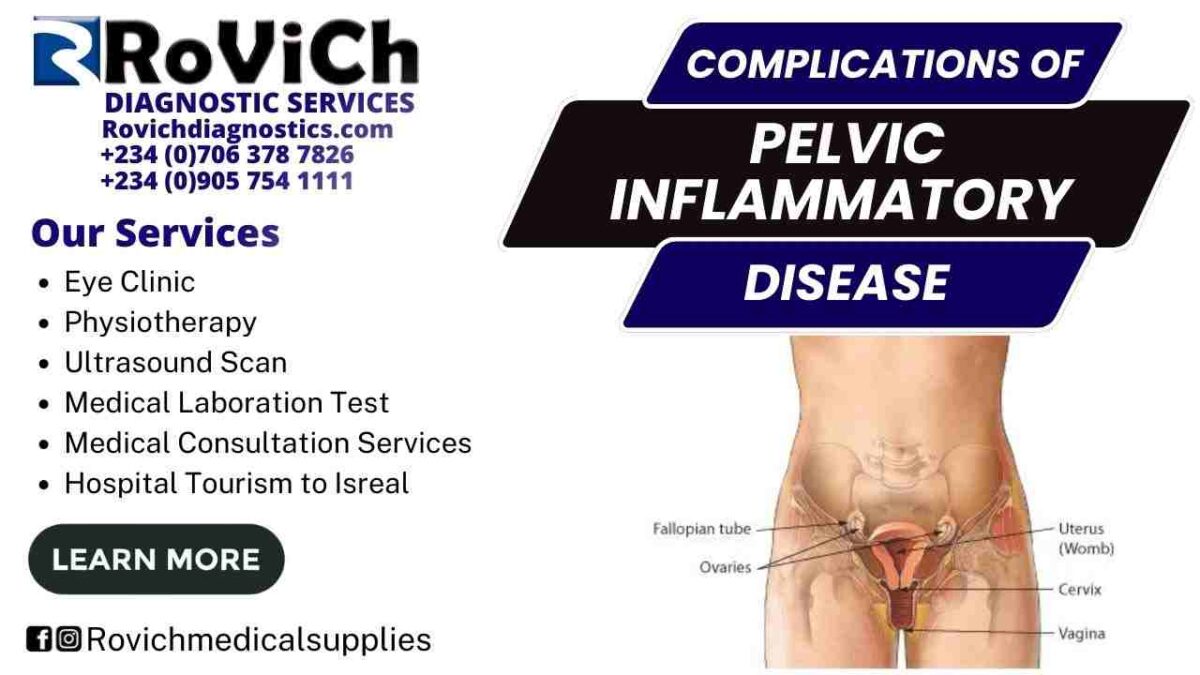
Complications of Pelvic Inflammatory Disease

Introduction

Pelvic inflammatory disease, often known as PID, has the potential to cause major complications in the long run, particularly if the infection is not treated with antibiotics as soon as it is diagnosed.

However, the vast majority of persons diagnosed with PID who finish their course of antibiotics do not experience any long-term complications.

A recurrent pattern of PID symptoms

It’s possible that you’ll have many episodes of PID at different periods. Recurrent pelvic inflammatory disease is the medical term for this condition.

It is possible for the illness to recur if the initial infection is not completely eradicated.

This occurs frequently either because the full course of antibiotics was not taken or because a sexual partner was not diagnosed and treated for the infection.

In the event that an episode of PID causes damage to the womb or the fallopian tubes, it is possible that bacteria may find it simpler to infect these places in the future, which will make it more likely that you will have another episode of the illness.

It has been shown that recurrent bouts of PID are connected with an increased risk of infertility.

The Abscesses

Abscesses are a collection of infected fluid that can occur anywhere in the body, although they are most usually found in the ovaries and fallopian tubes. PID can cause abscesses.

Antibiotics can be used to treat abscesses, but in certain cases, laparoscopic surgery, sometimes known as “keyhole surgery,” is required to drain the fluid and remove the abscess.

In certain cases, the fluid can also be drained by the use of a needle that is guided into position with the use of an ultrasound scan.

Chronic discomfort in the pelvic region

Pain that persists over a long period of time, known as chronic discomfort, can sometimes be the result of pelvic inflammatory disease (PID). This pain can be difficult to live with and can lead to further issues, such as depression and trouble sleeping (insomnia).

If you have persistent pelvic pain, your doctor may prescribe pain medication to help you manage your symptoms and get some relief.

There is the possibility of conducting investigations to find out what caused it.

In the event that medications are unable to alleviate your suffering, you may be sent to a pain management team or a clinic that specializes in treating pelvic pain.

The Ectopic pregnancy

When a fertilized egg implants itself outside of the womb, most commonly in one of the fallopian tubes, this condition is known as an ectopic pregnancy.

If PID causes an infection in the fallopian tubes, it can damage the lining of the tubes, making it more difficult for eggs to pass through. This can make it more difficult for a woman to become pregnant.

If a fertilized egg becomes trapped inside the tube and continues to grow there, it has the potential to cause the tube to burst, which can occasionally result in serious internal bleeding that poses a threat to the patient’s life.

In the event that you are found to be carrying an ectopic pregnancy, you will either be prescribed medication to halt the development of the egg or undergo surgery to have it surgically removed.

Infertility

In addition to raising your chances of having an ectopic pregnancy, scarring or abscesses in the fallopian tubes can make it harder for you to conceive because they prevent eggs from moving freely into the uterus. This makes it more likely that you will have an ectopic pregnancy.

As a consequence of the disorder, you can lose your ability to have children. If you postpone treatment or have had many bouts of PID, you put yourself at a greater risk of developing infertility.

People who had been effectively treated with PID had the same pregnancy rates as the rest of the population, according to a research that followed them over a lengthy period of time in the United States.

Surgery is occasionally an option for those who suffer from blocked or damaged fallopian tubes.

If this is not an option for you but you would still like to have a family, you might want to look into other methods of assisted conception, such as in vitro fertilization (IVF).

In in vitro fertilization (IVF), eggs are harvested surgically from the ovaries, transported to a separate facility where they are fertilized with sperm, and then implanted back into the uterus.

If you are unable to have children through natural means, you may want to consider using this method to conceive a kid. However, the percentage of success varies based on a number of factors, including your age.

Conclusion

We have been able to deduce that the consequence of the disorder can make you lose your ability to have children and that If you postpone your treatment or have had many bouts of PID, you will be putting yourself at a greater risk of developing infertility.

If you have any questions or concerns about what is written here please comment in the discussion below. contact us Rovich Diagnostic Services for consultancy.

Hope this was helpful on the topic “Complications of Pelvic Inflammatory Disease


What-is-Pelvic-Inflammatory-Disease-Rovich-Diagnostics-1200x675.jpg
13/Sep/2022

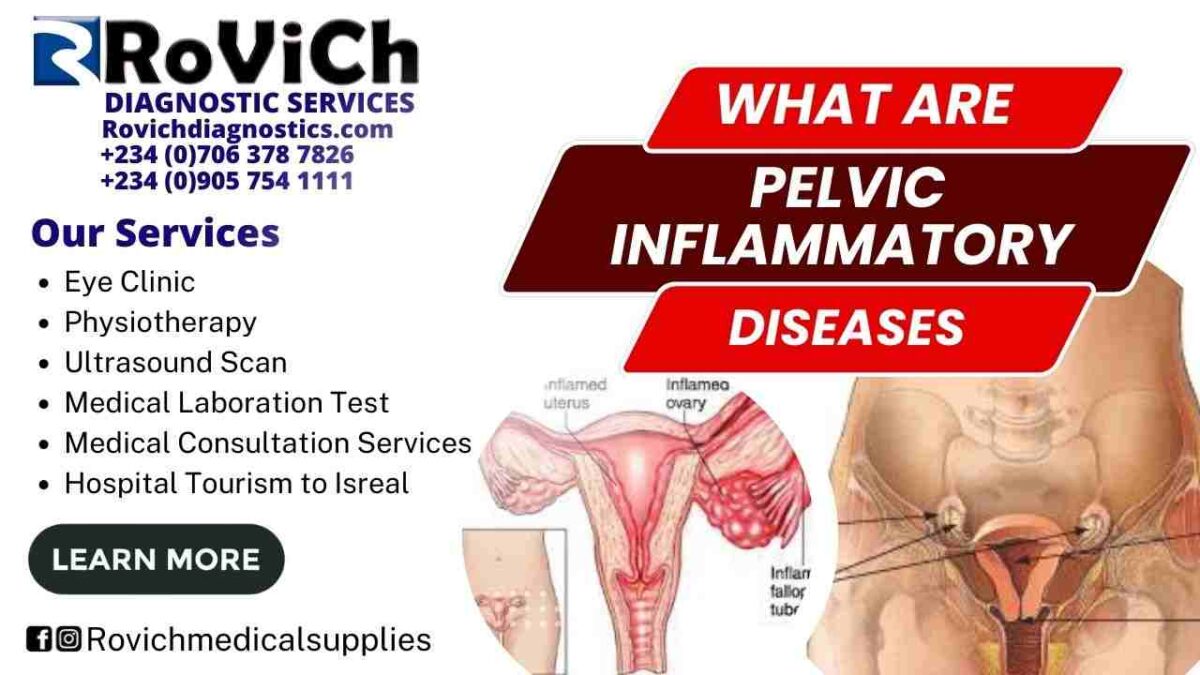
What is Pelvic Inflammatory Disease

Introduction

An infection of the female reproductive system, including the womb, fallopian tubes, and ovaries, is referred to as pelvic inflammatory disease, or PID for short.

It is unknown how many people in the Nigeria are afflicted with PID, despite the fact that it being a common condition.

Symptoms of a disease that affects the pelvic region (PID)

PID frequently does not result in any noticeable symptoms.

The majority of patients only experience mild symptoms, which may include one or more of the following:

  • A dull ache in the region of the pelvis or the lower abdomen
  • Discomfort or pain experienced during sexual activity that is localized to the interior of the pelvis
  • Discomfort while urinating
  • Experiencing bleeding in between periods and after sexual activity
  • Heavy periods
  • Painful periods

Discharge from the vagina that is not normal, particularly if it is yellow, green, or smelly
A small number of people develop severe illnesses due to:

  • A severe ache in the abdominal region
  • An extremely high degree (fever)
  • Feeling and being unwell

When to seek the opinion of a physician

If you have any signs of PID, it is critical that you get medical attention from a primary care physician or a clinic that specializes in sexual health.

If you are experiencing significant pain, you should contact your primary care physician or the emergency room in your area as soon as possible for immediate assistance.

If you put off getting treatment for PID or have multiple episodes of it, you put yourself at a greater risk of developing serious complications in the long run.

There is no one straightforward test that can diagnose PID. Your symptoms, along with the finding of tenderness during a vaginal (internal) examination, will serve as the basis for the diagnosis.

You will have swabs taken from both your vagina and the neck of the womb (the cervix), but a negative swab result does not necessarily rule out PID.

The factors that can lead to pelvic inflammatory disease (PID)

The majority of cases of PID are brought on by a bacterial infection that begins in the vagina or the cervix and travels up to the higher reproductive organs from there.

PID can be caused by a wide variety of different bacterial species. It is often the result of a sexually transmitted infection (STI), such as chlamydia or gonorrhoea, as is the case in many instances.

It is believed that an additional type of sexually transmitted infection known as mycoplasma genitalium is increasingly responsible for cases of PID.

In the majority of other instances, the infection is brought on by bacteria that are normally found in the vagina.

Medications used in the treatment of pelvic inflammatory disease (PID)

PID can be treated with an antibiotic regimen that typically consists of 14 days’ worth of medication if it is detected and diagnosed at an early stage.

You will receive a combination of antibiotics to treat the most likely infections, and in addition to the tablets, you will frequently receive an injection.

In order to facilitate the infection’s elimination and ensure a healthy outcome, it is essential to finish the treatment and abstain from sexual activity during this period.

Your most recent sexual partners need to be tested for the infection as well, and if they test positive, they need to be treated so that the infection does not come back or spread to other people.

Complications

PID can cause scarring and a narrowing of the fallopian tubes, which can make it difficult to conceive. Eggs may have a more difficult time traveling from the ovaries to the uterus as a result of this.

This can then lead to an increase in your chances of having a pregnancy in the fallopian tubes instead of the womb in the future. This condition is known as an ectopic pregnancy.

As a consequence of the condition, infertility may develop in some individuals who have PID. People who have delayed treatment or who have experienced PID episodes more than once are at the greatest risk.

However, the vast majority of people who are treated for PID will not experience any issues when trying to conceive a child.

Eliminating the risk of developing pelvic inflammatory disease (PID)

When engaging in sexual activity with a new partner, you should always use a condom until that person has been evaluated for their sexual health. This will help lower your risk of acquiring PID.

Chlamydia is extremely common in young men, the majority of whom show no symptoms of having the infection.

If you are concerned that you may have a sexually transmitted infection (STI), seek advice from a genitourinary medicine (GUM) or sexual health clinic in your area.

Before undergoing a gynecological procedure that is considered to be invasive, such as the insertion of an intrauterine device (IUD) or an abortion, you should go in for a checkup.

If you have any questions or concerns about what is written here please comment in the discussion below or contact us Rovich Diagnostic Services for consultancy.

Hope this was helpful on the topic “What is Pelvic Inflammatory Disease


Causes-of-Pelvic-Inflammatory-Disease-1200x675.jpg
13/Sep/2022

Causes of Pelvic Inflammatory Disease

Introduction

The development of an infection in the female reproductive system is what leads to the inflammatory condition known as pelvic inflammatory disease (PID).

In the majority of instances, the illness is brought on by a bacterial infection that spreads from the vagina or the cervix (the opening to the womb) into the womb, the fallopian tubes, and the ovaries.

PID is frequently brought on by more than one variety of bacterium, and it is not always easy for medical professionals to determine which bacteria are to blame in a given case.

This indicates that a combination of antibiotics will be recommended in order to treat a wide range of bacterial infections.

Infections spread by sexual contact (STIs)

PID is most commonly brought on by a sexually transmitted infection (STI), such as chlamydia, gonorrhea, or mycoplasma genitalium. This is the most common cause of PID.

These bacteria often only infect the cervix, which is fortunate because it is an area that is straightforward to treat with medications.

In the event that they are not treated, however, there is a possibility that the germs will spread to the female reproductive organs.

If you have chlamydia and it goes untreated for more than a year, it is possible that it will progress into PID.

Some possible reasons for PID

In many instances, the origin of the infection that ultimately results in PID remains a mystery.

It is possible for the germs that are normally prevalent in the vagina to make their way through the cervix and into the reproductive organs on occasion.

Even if they do not cause illness in the vagina, certain kinds of bacteria can nevertheless spread infection to other regions of the body.

If any of the following conditions are met…

  • You have had PID in the past.
  • the cervix has been harmed as a result of either the delivery of a baby or the loss of a pregnancy.
  • a procedure is performed on you that requires opening the cervix (for example, an abortion, an inspection of the womb, or the installation of an intrauterine device) (IUD)

Which parts of the body are at risk of becoming infected?

When an infection travels upward from the cervix and vagina, it can result in inflammation of the following areas of the body:

  • Womb lining (endometrium)
  • Tubes of the uterus and fallopian
  • Tissue that surrounds the uterus
  • Ovaries
  • The membrane that lines the inside of the abdominal cavity (peritoneum)
  • Abscesses are fluid-filled pockets that can form anywhere in the body, including in the ovaries, fallopian tubes, and other reproductive organs.

Who is in the most danger?

PID can affect everyone who has female reproductive organs, however the following factors make it more probable that it will happen to you:

  • Have more than one partner in sexual activity.
  • Obtain a different sexual partner.
  • Having a past that’s been marred by STIs
  • Had already suffered with PID
  • Are under 25
  • Began sexual activity at an impressionable age.

Conclusion

We have been able to deduce in this article the various type of hearth condition that needs to be avoided and controlled. So follow the best idea and ensure you stay free from the Causes of Pelvic Inflammatory Disease.

If you have any questions or concerns about what is written here please comment in the discussion below or contact us Rovich Diagnostic Services for consultancy.

Hope this was helpful on the topic “Causes of Pelvic Inflammatory Disease


Treatment-for-Pelvic-Inflammatory-Disease-1200x675.jpg
13/Sep/2022

Treatment for Pelvic Inflammatory Disease

Introduction

Antibiotics are a simple and reliable treatment option for pelvic inflammatory disease (PID), provided that the condition is caught and managed in its early stages. Your primary care physician or a doctor at a sexual health clinic can write you a prescription for one of these. However, if it is not treated, it can result in more serious complications in the long run.

Antibiotics Treatment

Antibiotic treatment needs to be started as soon as possible, before the results of the swabs can be analyzed. Even in cases where chlamydia, gonorrhea, or mycoplasma genitalium is identified, PID is typically caused by a variety of different bacteria. This is the case even in cases where the bacteria are identified.

This indicates that you will be prescribed a combination of antibiotics to treat a wide range of possible infections. not all antibiotics are safe for use during pregnancy, so it is important to discuss this possibility with your healthcare provider before beginning any treatment with antibiotics.

In most cases, you will need to take the antibiotic pills for a full two weeks, although your treatment might start with a single antibiotic injection. Even if you start to feel better, it is essential to finish the full course of antibiotics prescribed to you in order to increase the likelihood that the infection will be successfully treated.

In the event that your PID is particularly severe, you may be required to be admitted to the hospital in order to receive antibiotics through a drip placed in your arm (intravenously). While you are being treated with antibiotics, you may choose to take pain relievers such as paracetamol or ibuprofen if you experience discomfort in the region of your pelvis or stomach.

Follow-up Consultation

It is possible that your doctor will urge you to schedule a follow-up consultation three days following the first day of therapy in order to determine whether or not the antibiotics are effective. If the antibiotics appear to be doing their job, your doctor may schedule a follow-up appointment for you at the end of the prescribed dosage to determine whether or not the therapy was effective. In the event that your symptoms have not begun to improve over the span of three days, you may be urged to check into a hospital for more testing and treatment.

If your symptoms haven’t improved within a few days, it’s possible that the infection is being caused by an intrauterine device (IUD), in which case you may be advised to have the IUD removed because it could be the root of the problem.

Respect for one’s sexual partners

  • It is said that even if the specific cause of the infection cannot be determined, it is imperative that any sexual partners you have had in the previous six months prior to the onset of your symptoms be tested and treated in order to prevent the infection from returning or spreading to other people.
  • PID can occur in monogamous relationships that have been going on for a very long time in which neither partner has had sexual relations with anyone else.
  • If neither partner is treated at the same time, the condition has a greater chance of recurring.
  • It is recommended that you refrain from having sexual encounters until both you and your partner have finished the necessary treatment.
  • If you haven’t had a sexual partner in the past six months, the person you had sexual contact with most recently ought to be tested and treated for HIV.
  • Your primary care physician or the staff at a sexual health clinic can assist you in making contact with your previous romantic partners.

Conclusion

We have been able to deduce in this article the various type of hearth condition that needs to be avoided and controlled. So follow the best idea on the Treatment for Pelvic Inflammatory Disease.

If you have any questions or concerns about what is written here please comment in the discussion below or contact us Rovich Diagnostic Services for consultancy.

Hope this was helpful on the topic “Treatment for Pelvic Inflammatory Disease”


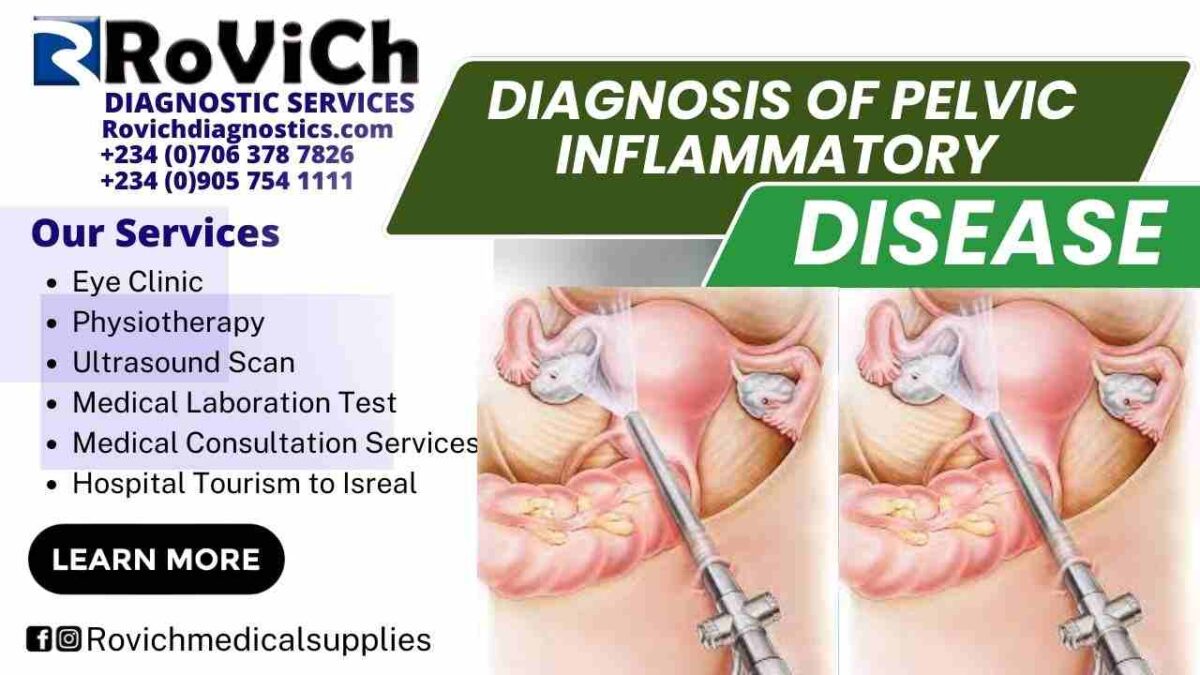
Diagnosis-of-Pelvic-Inflammatory-Disease-1200x675.jpg
13/Sep/2022

Diagnosis of Pelvic Inflammatory Disease

Introduction

It is not possible to diagnose pelvic inflammatory disease with a single, standardized test (PID). The diagnosis, on the other hand, is arrived at after taking into account your symptoms and performing a gynecological exam.

The first things that your doctor will want to know about are your past medical conditions and sexual behavior. The subsequent step is to perform a pelvic examination, during which it is necessary to look for any indications of pain or abnormal vaginal discharge.

It is possible that you will experience some discomfort during this inspection, particularly if you do in fact have PID. Swabs are often taken from the inside of the vagina as well as the cervix while performing diagnostic procedures. These are then transported to a laboratory, where they will undergo testing to look for signs of a bacterial infection, and the bacteria that are found to be responsible for the infection will be identified.

When a patient has a positive test result for chlamydia, gonorrhea, or mycoplasma genitalium, the probability that they have PID increases significantly.

On the other hand, the majority of patients have unfavorable swab results, and this does not necessarily rule out the diagnosis in every case. Because PID can be difficult to diagnose, additional tests may also be required to check for signs of infection or inflammation or to rule out other potential causes of your symptoms. These tests may also be necessary to determine whether or not there are any other possible explanations for your symptoms. In order to determine whether or not you have PID, it is possible that you will need to undergo these tests.

The following scenarios could be part of these tests:

  • An examination of one’s blood or urine
  • A test for pregnancy
  • A vaginal ultrasonography, which is typically carried out with the assistance of a probe that is placed within the vagina, is one example of this (transvaginal ultrasound) In some cases, the diagnosis of PID may be accomplished through the utilization of laparoscopy, which is also commonly referred to as keyhole surgery. In order to perform a laparoscopy, a relatively simple type of surgical procedure, two very small incisions need to be made in the abdominal wall.
  • Your doctor will examine your internal organs using a very small camera that will be implanted inside of your body. If necessary, the doctor will also take tissue samples at this time.
  • This is something that is typically only done in more serious situations, such as when there is a possibility that appendicitis is the underlying cause of the symptoms. In other words, this is something that is typically reserved for the most extreme circumstances.
  • Obtaining admission to the medical facility
  • If any of the following conditions are met, you may be taken to the hospital as soon as possible:
  • you are pregnant (particularly if there is a possibility that you may be carrying the baby in the wrong place).
  • There is a significant amount of severity in your symptoms (such as nausea, vomiting and a high fever)
  • You are exhibiting symptoms that are consistent with having pelvic peritonitis.
  • There is a chance that an abscess will develop.
  • You are unable to take antibiotics in pill form; rather, you will need to have them given to you in a drip instead (intravenously)
  • In the event that you have appendicitis, for example, you might need to undergo emergency surgery.
You may have a blood test or an ultrasound scan. Scans can identify severe PID but will not show up mild disease. It’s possible to have a normal scan and still have PID.

Conclusion

We have been able to deduce in this article the various type of hearth condition that needs to be avoided and controlled. So follow the best idea for Diagnosis of Pelvic Inflammatory Disease.

If you have any questions or concerns about what is written here please comment in the discussion below or contact us Rovich Diagnostic Services for consultancy.

Hope this was helpful on the topic “Diagnosis of Pelvic Inflammatory Disease


What-is-Yeast-Test-1200x675.jpg
13/Sep/2022

What is Yeast Test

Introduction

If you suspect you have a yeast infection, a test can reveal the results. Yeast is a fungus that can be found in a variety of human body locations, including the skin, genitalia, mouth, and intestines (gut).

Yeast infection goes by several different names, including candidiasis, candidosis, and moniliasis.

In most cases, yeast won’t be a problem. However, unchecked yeast growth can result in a bothersome infection that requires medical attention. Having a yeast infection is not dangerous if you are otherwise healthy. However, a yeast infection can quickly escalate into a life-threatening situation for those with compromised immune systems. The body as a whole, including blood, heart, brain, eyes, and bones, could be impacted. An invasive yeast infection describes this condition.

Other names include fungal smear, calcofluor white stain, antigen and antibody tests, and potassium hydroxide preparation.

Why do you need a yeast test?

In order to detect yeast infections, a test for yeast is used. Depending on the suspected site of infection, a diagnostic procedure for yeast might be chosen.

Is a yeast test really necessary?

If your doctor suspects a yeast infection, he or she may prescribe a test. How you feel is going to be different depending on where the yeast is. Infections caused by yeast thrive in warm, damp environments like the skin and mucous membranes.

In general, these are the signs of some of the most prevalent forms of yeast infections, although you may experience something different:

Athlete’s foot and diaper rash are two examples of disorders caused by yeast infections in the skin’s creases. Indicators of a problem include:

  • Reddish rash that frequently includes ulcers (open sores)
  • Symptoms of itching and/or burning
  • Pimples
  • Yeast infections in the vaginal area occur often.

The following are some of the symptoms:

  • Irritation and/or pain in the genitalia
  • Experiencing a cottage-cheese-like white discharge
  • Experiencing a great deal of urination and sex-related pain
  • Inflammation and redness of the labia and vagina (folds of skin around the vagina)
  • If you have diabetes or a foreskin, you are more likely to get a yeast infection of the penis. The following are some of the symptoms:
  • Redness
    Symptoms of itching and/or burning
  • Painful rash that develops on the penile apex.

Thrush is an oral yeast infection. Infants and toddlers are more susceptible to this disorder. Adult thrush may indicate an impaired immunological response.

The following are some of the symptoms Oral Thrush:

Marks of white on:

  • Tongue
  • Inner faces of the cheeks
  • Throat/Mouth Roof
  • Throat
  • discomfort or redness
  • sensation in the mouth similar to that of cotton
  • Taste loss
  • Hunger pains

Thumb sucking, poorly fitting dentures, and excessive lip licking can all lead to a yeast infection in the mouth’s corners. The following are some of the symptoms:

redness and cracking around the mouth corners
Nail bed yeast infections are not limited to the toenails, and can affect the fingernails as well. The following are some of the symptoms:

nails that have become discolored (yellow, brown, or white)
A thick nail
Breaks in the nail bed
When an infection is really bad, it might cause pain and swelling.

How does a yeast test work?

The symptoms’ origins will dictate the diagnostic procedure.

in order to verify:

  • Yeast infections of the vagina require a pelvic exam and a sample of vaginal discharge from your doctor.
  • If your doctor suspects thrush, he or she will examine the affected area in your mouth and possibly take a cell sample to analyze under a microscope.
  • If your doctor suspects a yeast infection on your skin or nails, he or she may scrape off a small piece of skin or nail with a dull instrument. Pressure and mild pain are possible with this sort of examination.
  • It is possible that your doctor can diagnose a yeast infection simply by studying a sample of the cells from the affected region under a microscope. A fungal culture test may be required if there are insufficient cells in the sample to detect infection.
  • For a fungal culture test, your sample will be submitted to a lab where it will be grown until there are enough cells to analyze. Typically, results may be obtained in a few of days. However, many yeasts develop slowly, so it might be weeks before you see any results.
  • The physician may do a fungal culture test or other tests on a sample of blood, other fluid, or tissue from the area they suspect is infected if they suspect an invasive yeast infection in the blood or organs.

Should I do anything special to be ready for the exam?

As far as I am aware, there are no prerequisites for a yeast test.

Is there a chance that something bad may happen during the experiment?

In this case there are no negative chances because a yeast examination is completely safe.

So, what do these findings imply?

If the diagnosis is yeast infection, your doctor may suggest an oral or topical antifungal medication. Pills, vaginal creams and suppositories, skin creams, powders, and lotions are just some of the various forms that antifungal drugs come in. The optimum course of therapy will be recommended by your doctor.

Even if you feel better before you’ve finished the entire course of medication, it’s still crucial to take it as directed. The majority of yeast infections improve after a few days or weeks of medication, however some fungal infections may require months or even years of treatment to completely heal up.

Read up on laboratory procedures, standard deviations, and interpreting data.

What else should I know before doing a yeast test?

A yeast overgrowth is triggered by some antibiotics. If you are currently taking any medications, it is imperative that you inform your doctor.

Vaginal yeast infection symptoms are often caused by a common fungus, and you can determine if it is a yeast infection with an at-home test. It’s possible, though, that they won’t be able to verify the diagnosis. Discussing your symptoms with your doctor will help you determine which test is right for you. The symptoms of a vaginal yeast infection are similar to those of other sexually transmitted illnesses, therefore knowing this is crucial (STDs).

Conclusion

We have been able to deduce in this article the various type of hearth condition that needs to be avoided and controlled. So follow the best idea on why you should do a Yeast Test.

If you have any questions or concerns about what is written here please comment in the discussion below or contact us Rovich Diagnostic Services for consultancy.

Hope this was helpful on the topic “What is Yeast Test”


How-to-Scan-for-a-child-1200x675.jpg
13/Sep/2022

How to Scan for a child

Introduction

Numerous urban legends provide methods by which you might guess your unborn child’s gender. None of these urban legends are based on actual events, but you probably already knew that.

Therefore, the size of your bump, whether you’re carrying high or low, and whether or not you have cravings for sweet or salty foods are not reliable indicators of how far along you are.

It’s a widely held belief that women naturally have a faster resting heart rate than men do. It’s possible that someone informed you that if you hear your heart beating quickly, it signals that you’re going to have a daughter. However, research has not uncovered any evidence to support this claim.

The skull idea is another another well-known urban legend. If you look at the ultrasound picture of your unborn child and see that she has a rounded mouth and a tapered head, this is indicative of a female baby. There is also the possibility that a male has a square jaw and a sloping forehead. However, this idea is also not supported by any evidence that can be found.

There are only four ways to find out the gender of your unborn child with absolute certainty while you are still pregnant:

1. Examination by ultrasound

When you are 20 weeks pregnant, getting an ultrasound done is the most reliable way to find out whether you are going to have a girl or a boy (anomaly scan). The average time frame for receiving this is between the 18th and 21st week of pregnancy.

However, there are occasions when it is not feasible to determine the gender with the anomaly scan. It’s possible that your sonographer won’t be able to acquire a clear picture of your baby if he or she is moving about a lot or is laying in an odd posture. In addition, there are certain hospitals that adhere to a policy of not disclosing the gender of a newborn infant. If you are hoping to find out on the day of your appointment, call ahead and confirm the policies at your local hospital. If you were unable to find out the sex during your anomaly scan, or if you don’t want to wait, you may be contemplating paying for a private scan. An ultrasound scan may typically tell a person the gender of their unborn child as early as 16 weeks of pregnancy.

It is entirely up to you whether or not you wish to get a private scan, however there are certain professionals who caution against doing so. Even though there is no evidence to suggest that receiving an ultrasound is harmful for you or your unborn child, it is nonetheless recommended that you limit the number of scans you have during your pregnancy. This is done so that you can err on the side of caution.

2. Non-invasive prenatal testing (NIPT)

The Non-Invasive Prenatal Testing (NIPT) is a straightforward blood test that determines the likelihood of carrying a child with a genetic disorder. Around the tenth week of pregnancy, NIPT can be used to determine the gender of your unborn child if you choose to pay for it privately. There is also a more straightforward blood test that may be performed privately to determine the gender of your unborn child. These tests are often trustworthy; but, due to the high cost involved, it may be more convenient for you to wait until your 20-week scan to get them done.

Although non-invasive prenatal testing (NIPT) is offered by the National Health Service (NHS) in England, Scotland, and Wales, it is not used to detect the gender of your unborn child. If an initial screening test reveals that there is a high likelihood that you will have a child with a genetic issue, then the NHS will provide you with this service. After then, it is only utilized in order to provide a test result that is more accurate for disorders such as Down syndrome.

3. Amniocentesis

During pregnancy, some women are given the option to have an amniocentesis as a screening procedure to determine whether or not their unborn child has a significant genetic disease such as Down syndrome. You will only be offered an amniocentesis if a previous scan or test reveals a higher than normal risk of your baby having a genetic condition, or if there is a history of an inherited condition in your family. In other words, an amniocentesis is only recommended if one of these two conditions is present.

Amniocentesis can be performed on a patient as early as 15 weeks into their pregnancy. Your physician will use a very thin needle to extract a sample of amniotic fluid from your womb in a very careful and precise manner. After that, the material is taken to a laboratory so that it may be analyzed.

Even if you are given the option of amniocentesis, there is a good chance that you will not be able to determine the gender of your unborn child. In most cases, the test is carried out for the sole purpose of identifying genetic abnormalities. If there is an elevated chance of a genetic disorder that only affects one sex, such as Turner syndrome, which only affects girls, then a prenatal test will be performed to determine the gender of your unborn child.

After an amniocentesis, there is speculation that there may be a marginally elevated chance of an early pregnancy loss. The reason for this is unknown to the medical staff; nevertheless, it is possible that the surgery produced complications like as infection, hemorrhage, or injury to the amniotic sac.

4. Sample of the chorionic villus (CVS)

CVS is a screening procedure for significant genetic disorders, just like amniocentesis is. During this procedure, which is performed anywhere between 11 and 14 weeks into a pregnancy, a doctor will use a very fine needle to extract a very small bit of the placenta for testing purposes.

As is the case with amniocentesis, CVS does pose a remote possibility of an abortion, which is why your obstetrician will only recommend it to you if you have an increased likelihood of having a child born with a genetic defect. In addition, the only time you will find out the gender of your child is if there is a higher chance of a problem that is exclusive to one gender.

Conclusion

We have been able to deduce in this article the various type of hearth condition that needs to be avoided and controlled. So follow the best idea on How to Scan for a child

If you have any questions or concerns about what is written here please comment in the discussion below or contact us Rovich Diagnostic Services for consultancy.

Hope this was helpful on the topic “How to Scan for a child”


Rovich medical Services is a top diagnostic centre that provides world class medical services


Social networks


Facebook

www.facebook.com


Twitter

#WeCare


Instagram

www.instagram.com


Emergency number


0905 754 1111


Call us now if you are in a emergency laboratory need, we will reply swiftly and provide you with an aid


Copyright by Rovich Medical Services. All rights reserved.