Blog

Completely synergize resource taxing relationships via premier niche markets. Professionally cultivate one-to-one customer service with robust ideas.
Navy-Yellow-Modern-Business-Facebook-Cover-16-1200x676.jpg
31/Oct/2022

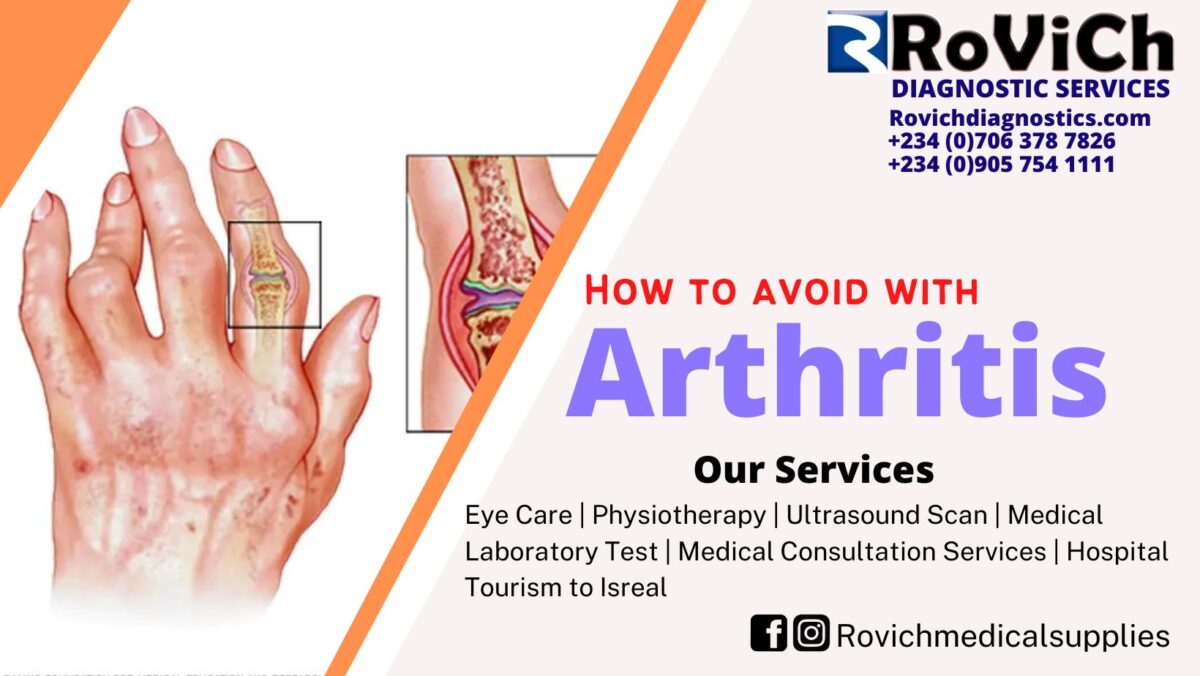
How to avoid with Arthritis

Arthritis discomfort

Arthritis refers to a group of disorders characterized by joint pain and inflammation.

It is a degenerative disorder, in which symptoms develop over time, or an autoimmune kind of arthritis with extra-articular symptoms marked by inflammatory flares and a chronic clinical course?

Osteoarthritis (OA) and rheumatoid arthritis (RA) are the two kinds of arthritis (RA).

OA is caused mostly by cartilage wear and tear, which causes bones to rub together, causing friction, injury, and inflammation.

RA is a systemic disease that causes symptoms all over the body. It is an autoimmune illness that occurs when the immune system destroys healthy joint tissue by mistake.

Doctors can prescribe medication to ease arthritic pain, but they also frequently advocate natural remedies.

Remember to consult your doctor before attempting any arthritis treatment, whether it involves medication or not.

Make use of heat and cold therapy.

Heat and cold treatments can help reduce the pain and inflammation associated with arthritis.

Taking a lengthy, warm shower or bath in the morning to help relieve stiffness and using an electric blanket or wet heating pad to lessen discomfort overnight are two heat therapies.
Cold therapies can aid in the relief of joint discomfort, edema, and inflammation. Wrap a towel around a gel ice pack or a bag of frozen veggies and apply it to hurting joints for immediate relief. Never put ice straight on your skin.
Capsaicin, derived from chili peppers, is a component of certain over-the-counter topical ointments and lotions. These items provide warmth, which can help to relieve joint pain.

Get plenty of exercise.

Exercise can help you if you have arthritis:

control your weight
maintain your joints flexible strengthen the muscles around your joints for added support
Current recommendations highly advise beginning a suitable workout regimen. Exercising with a trainer or another individual can be particularly beneficial because it boosts motivation.

Low-impact exercises to consider include: Swimming, walking, cycling, tai chi

Consider reflexology.

Acupuncture is an ancient Chinese medical procedure in which small needles are inserted into particular places on your body. According to practitioners, it works by rerouting energy and restoring balance in the body.

Acupuncture may help with arthritic pain, and the ACR/AF recommends treatment on a case-by-case basis. While there is little evidence to demonstrate its advantages, the risk of harm is regarded as low.

Find a licensed and certified acupuncturist to do this therapy.

Maintain a healthy weight.

Your weight might have a significant impact on your arthritis symptoms. Extra weight puts additional strain on your joints, particularly your knees, hips, and feet.

The American College of Rheumatology and the Arthritis Foundation (ACR/AF) highly advise decreasing weight if you have OA and are overweight or obese. Your doctor can assist you in establishing a weight-loss goal and developing a program to help you achieve that goal.

Losing weight can help reduce the stress on your joints: Enhance your mobility,  reduce pain and prevent future joint deterioration

To deal with pain, try meditation.

Meditation and relaxation practices may help lessen arthritis pain by lowering stress and allowing you to manage better with it. Stress reduction may also aid in the reduction of inflammation and pain.

  • Tai chi and yoga are recommended by the ACR/AF. These mix low-impact exercise with meditation, relaxation, and breathing techniques.
  • According to the National Institutes of Health (NIH), some patients with RA benefit from practicing mindfulness meditation.
  • Anxiety, stress, and depression are all common effects of chronic pain diseases like arthritis.

Cooking with turmeric

Turmeric, the yellow spice commonly used in Indian cuisine, contains a molecule known as curcumin. It contains anti-inflammatory and antioxidant effects. According to research, it may help lessen arthritis pain and inflammation.

Turmeric was given to rats in an animal study cited by the National Center for Complementary and Integrative HealthTrusted Source. It reduced inflammation in their joints, according to the results.

More research is needed to determine how turmeric works, but adding a tiny quantity of this mild but pleasant spice to your dinner is probably a safe bet.

Conclusion

We have been able to see here that these difficulties in body joint pain. You’ve suffered a serious injury or the joint appears to be misaligned.
The swelling of the joint happens all of a sudden or has the joint become fully immovable or are you suffering from acute joint discomfort.. contact us Rovich Diagnostic Services for consultancy.

Hope this was helpful on the topic “How to avoid with Arthritis”


Navy-Yellow-Modern-Business-Facebook-Cover-15-1200x676.jpg
31/Oct/2022

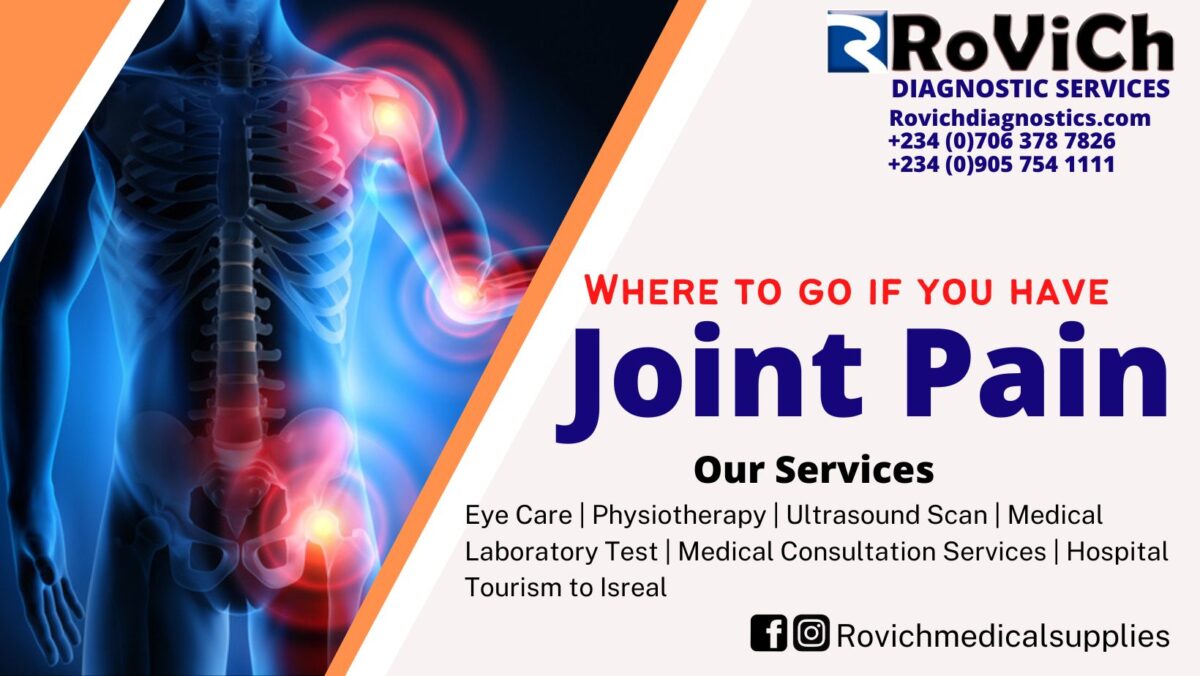
Where to go if you have Joint Pain

What are the signs and symptoms of joint pain?

In some circumstances, your joint pain will necessitate a visit to the doctor. If you don’t know what’s causing your joint discomfort and are suffering other inexplicable symptoms, you should see a doctor.
You should also visit a doctor if you experience any of the following symptoms:
the joint area is swollen, red, sensitive, or heated to the touch
The agony lasts three days or longer.
You have a fever but no other flu symptoms.

If any of the following occur, go to the emergency room:

You’ve suffered a serious injury.
The joint appears to be misaligned.
The swelling of the joint happens all of a sudden.
The joint has become fully immovable.
You are suffering from acute joint discomfort.

How is joint discomfort identified?

Your doctor will most likely undertake a physical examination. They will also ask you questions concerning your joint pain. This may aid in narrowing down the possible causes.

A joint X-ray may be required to diagnose arthritis-related joint deterioration.

If your doctor suspects another cause, he or she may request a blood test to screen for autoimmune illnesses. They may also require a sedimentation rate test or a complete blood count to determine the extent of inflammation in the body.

How can joint discomfort get better?

Treatment at home.
Both OA and RA are considered chronic illnesses by doctors. 
There is presently no treatment available that will totally eliminate or prevent the joint discomfort associated with arthritis. 
There are, however, strategies to manage the pain:
To alleviate pain, edema, and inflammation, utilize topical pain medications or nonsteroidal anti-inflammatory medicines.
Maintain physical activity and follow fitness regimen that emphasizes moderate exercise.
Stretch before exercise to keep your joints in good working order.
Maintain healthy body weight range. 
This will reduce the strain on the joints.
If your pain isn’t caused by arthritis, you can try a nonprescription anti-inflammatory medication, a massage, a warm bath, frequent stretching, and appropriate rest.

Medical attention

Your therapy options will be determined by the source of the discomfort. In certain situations, your doctor may need to extract fluid from the joint area to test for infection, gout, or other causes of joint pain. They may also advise surgery to replace the joint.

Other nonsurgical treatment options may include lifestyle modifications or drugs that may cause your RA to remit. Your doctor will first address inflammation in the case of RA. Once your RA is in remission, your medical care will focus on keeping a firm grip on your condition and preventing flare-ups.

What is the prognosis for persons suffering from joint pain?

Joint discomfort is frequently caused by injury caused by normal wear and tear. It can, however, be an indication of an infection or potentially serious RA.

If you experience unexplained joint discomfort, consult your doctor, especially if it does not go away after a few days. Early discovery and diagnosis can help you cure the underlying cause of your discomfort.

Conclusion

We have been able to see here that these difficulties in body joint pain. You’ve suffered a serious injury or the joint appears to be misaligned.
The swelling of the joint happens all of a sudden or has the joint become fully immovable or are you suffering from acute joint discomfort.. contact us Rovich Diagnostic Services for consultancy.

Hope this was helpful on the topic “Where to go if you have Joint Pain”


17-compressed-1200x676.jpg
27/Oct/2022

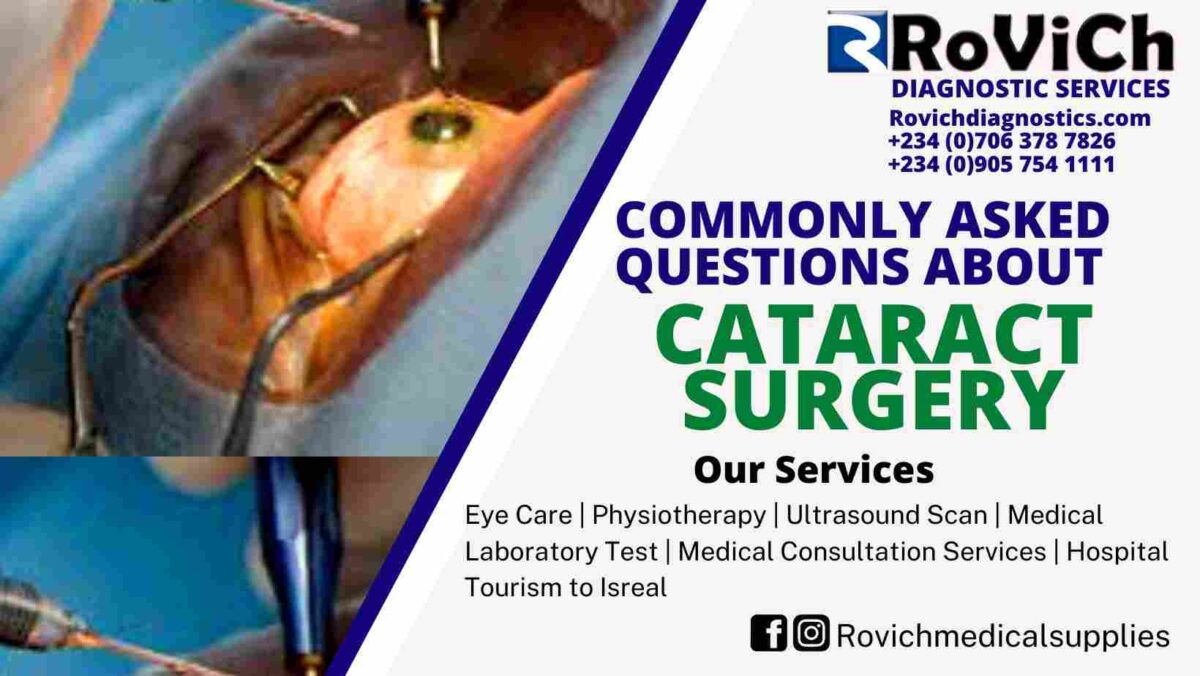
FAQ about Cataract Surgery

What exactly causes cataracts?

The lens of the eye begins to harden and become less clear as part of the normal aging process. As a result, the lens loses its ability to correctly focus light, resulting in increasingly dull, foggy, or blurry vision. Other variables that contribute to the development of cataracts include diabetes, trauma, drugs, and sun exposure.

How will I know if I need cataract surgery?

You and your doctor will decide on the best treatment plan for your cataracts before your vision becomes significantly affected. Because cataracts aren’t considered an emergency, you can take your time deciding when surgery is appropriate for you.

How do I determine which lens implant I require?

We offer many types of Custom Intraocular Lens Implants in addition to Standard Intraocular Lens Implants that can assist improve distant vision, reading vision, and everything in between. Your surgeon and you will discuss your goals and lifestyle preferences, and you will be tested to ascertain the particular dimensions of your eyes. With this information, your surgeon can determine which lenses you are a candidate for and assist you in selecting the implant that is best for you.

Is insurance going to cover cataract surgery?

Medicare supports cataract surgery with Standard Intraocular Lens Implants at the most basic level. Custom Intraocular Lens Implants are not considered medically required by Medicare, thus you will be liable for the portion that Medicare does not cover.

What can I expect from the procedure?

Your outpatient procedure will take place in our surgery center, which is dedicated solely to eye surgery. A little incision will be made, and your eye will be dilated and numbed. Your surgeon will next insert an ultrasound-guided device into the eye to break up and remove the cataract. The replacement intraocular lens that you discussed with your surgeon is then implanted in your eye. The surgery is usually not painful, however we have anesthesiologists on staff to help you relax during the treatment.

Are there any hazards associated with cataract surgery?

Cataract surgery is a pretty common treatment with few consequences. If a complication occurs during surgery, your surgeon may take additional steps to repair the problem, and/or you may be required to return for treatment of the complication. Following surgery, you will have many post-operative appointments to ensure that any potential issues are addressed.

Is it possible for the cataract to reappear after surgery?

No, a cataract that has been surgically removed will not reappear. However, your eye may acquire posterior capsular opacity over time, indicating that the membranes behind the implant have gotten cloudy. To clean your vision, a laser capsulotomy operation can be performed fast.

What can I expect throughout my recovery?

Following surgery, you will be given drops to prevent infection and aid in the healing process. During the healing process, your vision will be impeded, and you may feel something in your eye or a small burning sensation. This, along with any redness, is normal and will go away as the eye heals.

Conclusion

We have been able to see here the list of most frequently asked question about sunglasses. If you have any questions or concerns about what is written here please comment in the discussion below. contact us Rovich Diagnostic Services for consultancy.

Hope this was helpful on the topic “FAQ about Cataract Surgery”


16-compressed-1200x676.jpg
27/Oct/2022

FAQ of Sunglasses

COMMONLY ASKED SUNGLASSES QUESTIONS

Is it true that darker sunglass lenses provide higher UV protection?

No, the level of UV protection is not affected by the darkness of the lens. Some lenses with a mild tint can filter 100% of UV radiation. Darker lenses, on the other hand, may provide more comfort depending on your eyes’ light sensitivity.

Should you use sunglasses when driving?

Certainly during the day! By lowering glare and boosting visibility, the appropriate sunglasses provide better, safer, and more pleasant vision when driving. Wearing sunglasses during the day also assists your eyes to adjust more rapidly to the dark.

What factors contribute to glare?

Light is composed of waves that flow in various directions. Vertical light aids vision and is beneficial to the human eye. Horizontal light, on the other hand, causes glare. Glare is defined as concentrated light reflected from a glossy horizontal surface, such as water, snow, glass, or road blacktop. It limits visibility and makes driving, cycling, skiing, or even sunbathing difficult, uncomfortable, and potentially deadly.

How do polarized sunglasses work?

Polarized sunglasses eliminate almost all glare. The vertically oriented polarizing layer inside a polarized lens prevents horizontal light from passing through. Driving is safer with polarized lenses because drivers react more rapidly to ordinary driving risks when they can see well. With this anti-glare property, you can wear polarized lenses every day and enjoy all of your activities in safety and pleasure.

Will polarized sunglasses protect my eyes?

Long durations spent outside without sufficient eye protection might result in skin cancer on the eyelids and around the eyes. It can also cause damage and disorders such as cataracts. Furthermore, because ultraviolet light is distributed throughout the sky, being out of direct sunlight does not totally protect you. Polarized sunglasses consistently outperform all international safety criteria for UVA, UVB, and UVC protection.

How many pairs of sunglasses should a person own?

Distinct lives, jobs, and hobbies necessitate different frames and lens attributes. Matching your needs with the proper type of eyewear not only boosts your comfort and protects your vision, but it can also improve your performance in daily activities or on the job.

Conclusion

We have been able to see here the list of most frequently asked question about sunglasses. If you have any questions or concerns about what is written here please comment in the discussion below. contact us Rovich Diagnostic Services for consultancy.

Hope this was helpful on the topic FAQ of Sunglasses?


Navy-Yellow-Modern-Business-Facebook-Cover-13-compressed-1200x676.jpg
24/Oct/2022

list of diagnostic and laboratory tests

The following is a list of diagnostic tests and methods used to identify pathological and nonpathological bodily states and gather health-related information. It is arranged alphabetically and sorted by process type.

Diagnostic imaging

Genetic testing

Cellular and chemical analysis

Measurement

Physical and visual examination

Conclusion

We have been able to see here the list of diagnostic and laboratory tests . If you have any questions or concerns about what is written here please comment in the discussion below. contact us Rovich Diagnostic Services for consultancy.

Hope this was helpful on the topic “list of diagnostic and laboratory tests ”


Navy-Yellow-Modern-Business-Facebook-Cover-12-compressed-1200x676.jpg
24/Oct/2022

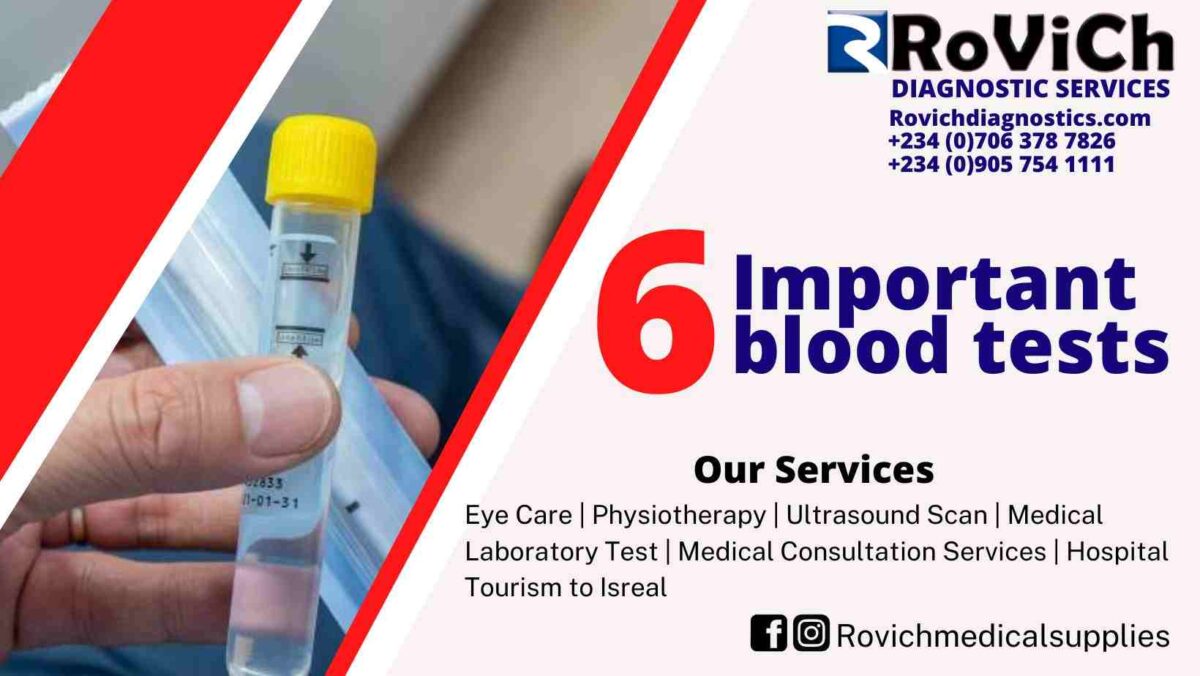
6 important blood tests

Lipid panel

This test measures the levels of two kinds of cholesterol:

HDL (high-density lipoprotein), also known as “good” cholesterol
LDL cholesterol, sometimes known as “bad” cholesterol
HDL is considered “good” because it eliminates dangerous compounds from your bloodstream and assists the liver in breaking them down into trash. LDL is considered “bad” because it can cause plaque to form in your arteries, raising your risk of heart disease.

Before this exam, you may need to fast for at least 8 hours.

 Basic metabolic panel

The fundamental metabolic panel
A basic metabolic panel (BMP) typically looks for eight substances in the blood:

calcium \sglucose
sodium \spotassium
bicarbonate \schloride
creatinine blood urea nitrogen (BUN)
Depending on your doctor’s instructions and the nature of the test, you may be required to fast for at least 8 hours before having your blood drawn.

Abnormal outcomes may indicate:

Diabetes hormone imbalances kidney disease
Your doctor will order more tests to confirm a diagnosis.

Complete blood count

A typical complete blood count (CBC) examines the amounts of ten different components of each major cell in your blood, including white blood cells, red blood cells, and platelets.

This test examines red blood cell count, hemoglobin, and hematocrit, among other things.

The usual Trusted Source range of results is as follows, albeit each laboratory may have a slightly different range:

Component Normal range
red blood cells (cells responsible for carrying oxygen throughout the body) male: 4.3–5.9 million/mm3female: 3.5–5.5 million/mm3
white blood cells (immune system cells in the blood) 4,500–11,000/mm3
platelets (the substances that control the clotting of the blood) 150,000–400,000/mm3
hemoglobin (protein within the red blood cells that carries oxygen to organs and tissues, and carbon dioxide back to the lungs) male: 13.5–17.5 grams/deciliter (g/dL); female: 12.0–16.0 g/dL
hematocrit (percentage of blood made of red blood cells) male: 41–53%; female: 36–46%

Abnormal levels of these components could indicate:

Anemia caused by dietary deficits such as vitamin B6 or B12 deficiency (iron deficiency)
clotting issues
Infection with blood cancer
Immune system dysfunction

Your doctor will conduct more tests based on your results to confirm abnormal levels and a possible diagnosis.

Here are the rangesTrusted Source for each type:

High Low/Optimal
HDL >60 mg/dL male: <40 mg/dL; female: <50 mg/dL (low)
LDL >160 mg/dL <100 mg/dL (optimal)


Comprehensive metabolic panel

A comprehensive metabolic panel (CMP) includes all of the measurements found in a BMP, as well as additional proteins and chemicals associated with liver function, such as:

ALP (albumin total protein alkaline phosphatase) is an enzyme found primarily in the bones and liver that is involved in a variety of biological activities.
Alanine aminotransferase (ALT) is a liver enzyme, whereas aspartate aminotransferase (AST) is present in the liver and various tissues throughout the body.

The same conclusions can be drawn from a CMP as from a BMP for the same substances that a BMP covers. Other abnormal levels can also indicate underlying conditions, such as:

High levels Low levels
ALP • bile duct blockage
• cirrhosis
• gallbladder inflammation
• gallstones
• hepatitis
• Paget’s disease
• bone metabolism disorders
• heart surgery
• malnourishment
• zinc deficiency
ALT • cirrhosis
• hepatitis
• liver cancer
• liver damage
considered normal
AST • cirrhosis
• heart conditions
• hepatitis
• mononucleosis
• (mono)pancreatitis
considered normal
bilirubin • abnormal red blood cell destruction (hemolysis)
• adverse medication reactions
• bile duct blockage
• Gilbert’s syndrome
• hepatitis
not a concern


Thyroid panel

A thyroid panel, often known as a thyroid function test, determines how well your thyroid produces and responds to certain hormones, such as:

Triiodothyronine (T3) (T3). This, in conjunction with T4, regulates your heart rate and body temperature.
Thyroxine (T4) (T4). This, together with T3, regulates your metabolism and growth.
TSH (thyroid stimulating hormone) (TSH). This helps to manage the levels of hormones released by your thyroid.
Your thyroid is a little gland located in your neck. It aids in the regulation of biological functions such as mood, energy level, and overall metabolism.

Here are normal results:

  • T3: 80–180 nanograms per deciliter of blood (ng/dL)
  • T4: 0.8–1.8 ng/dL in adults.
  • TSH: 0.5–4 milli-international units per liter of blood (mIU/L)

Abnormal levels of these hormones can indicate numerous conditions, such as:

Panel of Coagulation

Coagulation tests assess how well your blood clots and how long it takes to clot. Prothrombin time (PT) and fibrinogen activity tests are two examples.

Clotting is an important mechanism that aids in the stoppage of bleeding after a cut or trauma. A clot in a vein or artery, on the other hand, can be fatal since it can cut off blood supply to your brain, heart, or lungs. This can result in a heart attack or a stroke.

The findings of a coagulation test vary depending on your health and any underlying diseases that may affect clotting.

This test’s results can be used to diagnose:

Conclusion

We have been able to see here the 6 important blood test thyroid panel, Panel of Coagulation, Lipid panel, Basic metabolic panel, Complete blood count and Comprehensive metabolic panel. If you have any questions or concerns about what is written here please comment in the discussion below. contact us Rovich Diagnostic Services for consultancy.

Hope this was helpful on the topic “6 important blood tests ”


Navy-Yellow-Modern-Business-Facebook-Cover-7-compressed-1200x676.jpg
20/Oct/2022

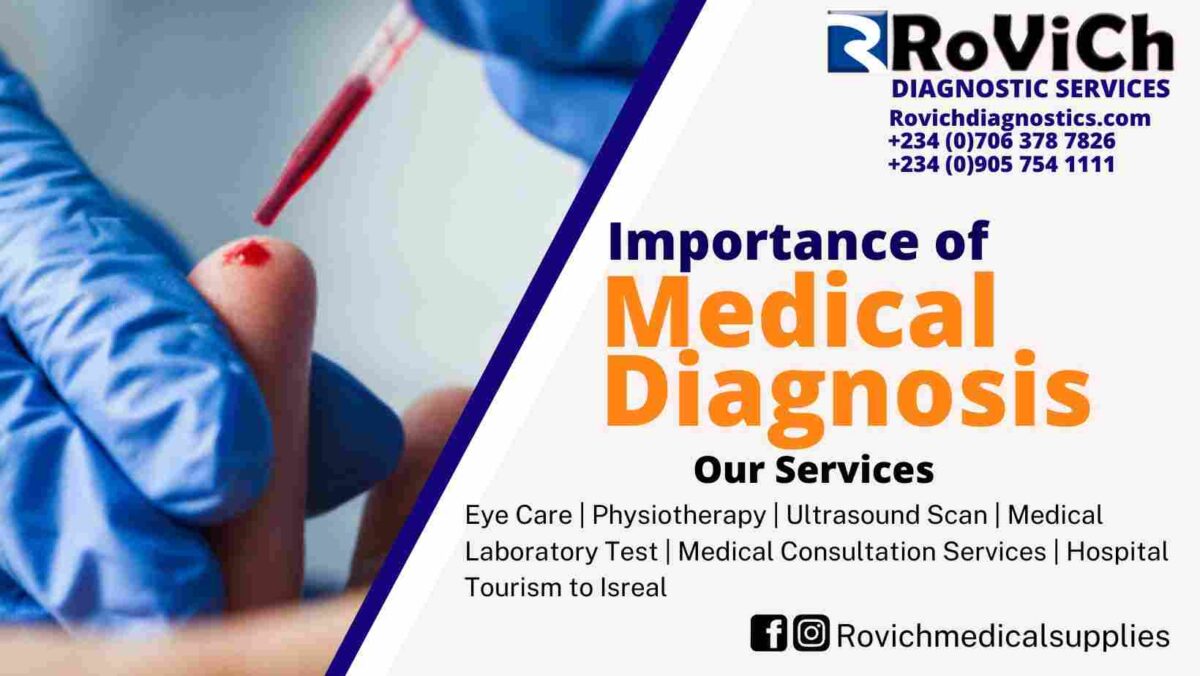
Importance of Medical Diagnosis

Why Is a Medical Diagnosis Required Before Treatment?

A medical diagnosis is a sophisticated medical step that includes a patient history, physical examination, and testing. In many circumstances, several diagnoses are performed by different clinicians. This procedure gives for a more thorough grasp of the patient’s illnesses.

The Importance of Correct Diagnosis

It is not easy to determine the cause of an ailment. Many diseases have symptoms that are identical. The urgency of an accurate diagnosis during the COVID-19 pandemic pushed the development of assays to detect the presence of antibodies or to find the virus itself. Learn more about the diagnostic procedure and why precision is so important.

Diagnosis Leads to Treatment

Your diagnosis serves as the foundation for whatever treatment you may receive, ranging from medicines to surgery. 
An proper diagnosis is crucial to avoid wasting valuable time on the incorrect course of treatment. 
The patient is critical in determining the accurate diagnosis.

History of the Patient

When you sense something is amiss and contact your doctor, the diagnostic process begins. 
Your doctor will inquire about your medical history. 
It’s critical that you provide your doctor precise and thorough answers.
physical exam is performed after the clinical interview to discover any anomalies. 
Diagnostic tests may be ordered by your doctor. 
There is considerable concern in the medical profession that overreliance on diagnostic testing advancementsas well as the growth and expansion of the diagnostic testing market, may have led clinicians to overlook “bedside evaluation” in favor of fast testing. 
However, the interview is an important aspect of establishing what information to collect and what factors may be influencing the patient’s health.

Analysis

Physicians assess and analyze the data acquired during the clinical interview, physical examination, and any diagnostic testing. 
Blood tests to medical imaging such as x-rays, magnetic resonance imaging (MRI), ultrasound, or CAT scans are among the testing available. 
Specialist consultation may be required to evaluate data and choose remedies.

Misdiagnosis

Being an active patient can assist you in receiving an accurate diagnosis. If you are dissatisfied with the answers or the care you are receiving, seek a second opinion and raise questions. The significance of a good diagnosis cannot be overstated, because diagnostic errors induce therapy delays and blunders that can be lethal. The SIDM provides a patient toolkit and a patient checklist, which were created in collaboration with the National Patient Safety Foundation and the Cautious Patient Foundation. It can be found on the organization’s website.
According to the Society to Improve Diagnosis in Medicine (SIDM), diagnostic errors are common, with over 12 million American adults receiving an incorrect diagnosis each year. When the system fails, such as when a sample is misplaced or mislabeled, or when equipment fails, mistakes occur. Analysis errors arise when the doctor fails to collect adequate information or incorrectly analyzes it. Another reason of misdiagnosis is leaping to conclusions without thoroughly investigating all possibilities. Women’s heart problems, for example, are frequently neglected since they are more difficult to diagnose than male cardiac illnesses. If test results do not reveal a clear solution to a medical problem, clinicians may dismiss valid complaints as “all in the patient’s head.”

Best Chance of a Good Health Outcome

Medical symptoms are how a patient may characterize their illness, such as a headache or painful joints. However, many medical symptoms are general. For example, someone with a heart issue and someone with a lung condition may both complain about chest pain. A medical diagnostic enables a medical professional to compile a list of medical symptoms and compare them to other data. A positive health outcome is defined as being alive with no long-term consequences to death. The longer it takes to establish a correct diagnosis, the more likely a patient may have limitations, impairments, and so on.

Conclusion

We have been able to see here that Rovich Diagnostics Services is a place to be. We render services like physiotherapy, ECG, Eye Care, Ultrasound scan, Medical Consultation services, All medical Laboratory test, Medical electrostatic and electro medics. If you have any questions or concerns about what is written here please comment in the discussion below. contact us Rovich Diagnostic Services for consultancy.

Hope this was helpful on the topic “Importance of Medical Diagnosis


Navy-Yellow-Modern-Business-Facebook-Cover-6-compressed-1200x676.jpg
17/Oct/2022

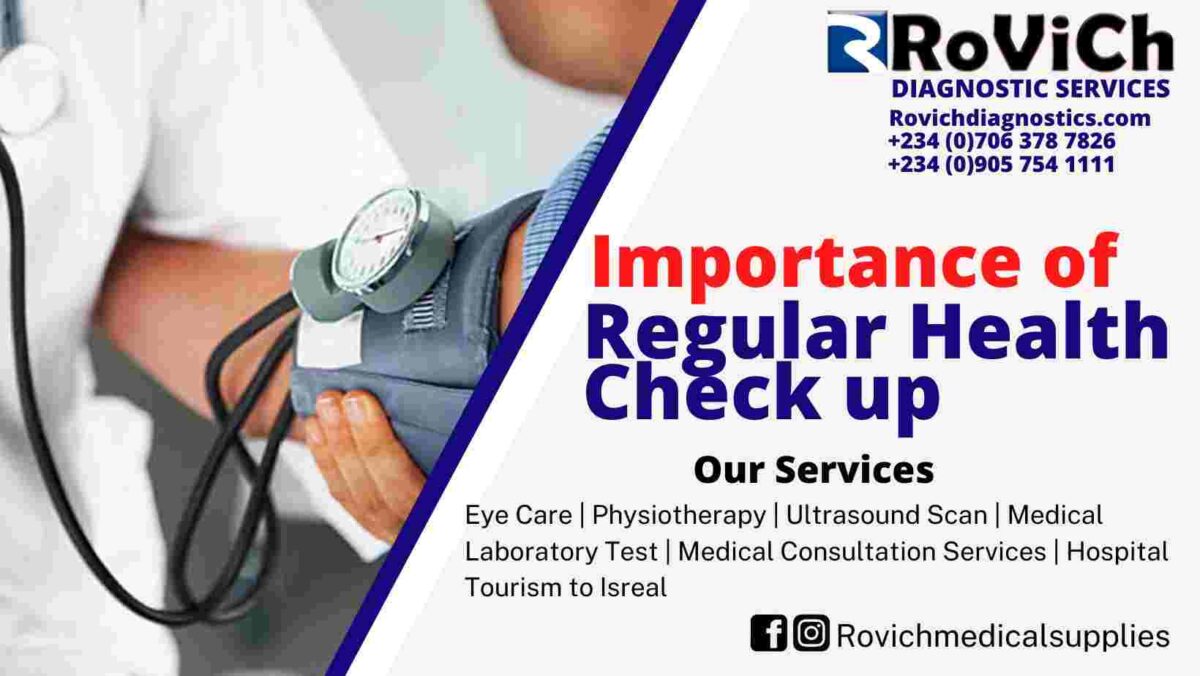
Importance of Regular Health Check up

Introduction

Regular medical checkups help you avoid a wide range of ailments and detect others early on. It also keeps you more informed about your health, keeps your physician or other doctors informed about your health, and results in a healthier life.

Why should I get a regular medical checkup?

Regular medical checkups can lower your risk of becoming ill. Regular medical checkups include a variety of physical and mental tests to ensure that your body and mind are in good working order. These examinations are known as complete body exams because they inspect you from head to toe, almost literally This is done to detect any disease early on and to ensure that you receive the appropriate therapy.

Regular checkups can aid in the detection of stress-related disorders.

With variables like severe Kathmandu traffic, continual pressure at work (or school, college), and unpredictable weather, it’s no surprise that most people are stressed these days. This is increasing stress levels in everyone and may result in stress-related diseases and disorders that appear physically or psychologically. A frequent full body checkup will assist your doctor in diagnosing such concerns as well as providing you with the opportunity to address stress and receive the necessary therapy.

Annual checkups can aid in the identification of blood test findings.

Because most common diseases involve bodily symptoms, such as a cold or a fever, most people are familiar with their symptoms. While this may be sufficient for minor illnesses, you may be suffering from something more serious that will worsen if you do not seek medical attention.

As a result, doctors frequently request a blood test, which is also a required component of every yearly health checkup package (although the exact tests can differ depending on your age and lifestyle). These blood tests also aid in the detection of many potential disorders.

Regular health screenings will make you more conscious of your health.

Many people take their health for granted, and most of us don’t go to the hospital or see a doctor unless we’re sick and need care. This also makes us more inclined to make poor health decisions, particularly when it comes to exercise and nutrition.

Going for a period health exam can make you more conscious of your health and what you can do to live a better lifestyle. This is due in part to the act of going to the hospital and conversing with your doctor, as well as seeing other patients and hospital visitors.

Annual Full Body Checkups can help to lower healthcare costs over time.

As previously said, doing Full Body Checkups and other sorts of preventative checkups on a regular basis helps prevent, avoid, and treat diseases at an early stage. This, in turn, minimizes your chances of being ill (or becoming sicker), lowering your medical bills even further.

Not to mention the time factor: getting sick can necessitate missing work or school and disrupting your entire routine.

A regular medical checkup guarantees that you are healthy and reduces the likelihood of having to take a sick day or possibly being admitted to the hospital.

Which type of Health Checkup Package should I get?

The tests required vary depending on your age and lifestyle. Younger adults, for example, may require fewer screenings because they are generally healthier. Because they are more vulnerable, older folks will most likely want a health package that includes cardiac screening tests. Similarly, women require fewer tests than men, such as breast cancer screening.

Visit your doctor and ask him or her which alternative is most appropriate and necessary for you.

Where can is get a good health Checkup?

Rovich Diagnostics Services is a place to be. We render services like physiotherapy, ECG, Eye Care, Ultrasound scan, Medical Consultation services, All medical Laboratory test, Medical electrostatic and electro medics.

Conclusion

We have been able to see here that Rovich Diagnostics Services is a place to be. We render services like physiotherapy, ECG, Eye Care, Ultrasound scan, Medical Consultation services, All medical Laboratory test, Medical electrostatic and electro medics. If you have any questions or concerns about what is written here please comment in the discussion below. contact us Rovich Diagnostic Services for consultancy.

Hope this was helpful on the topic “Importance of Regular Health Check up


Navy-Yellow-Modern-Business-Facebook-Cover-5-compressed-1200x676.jpg
17/Oct/2022

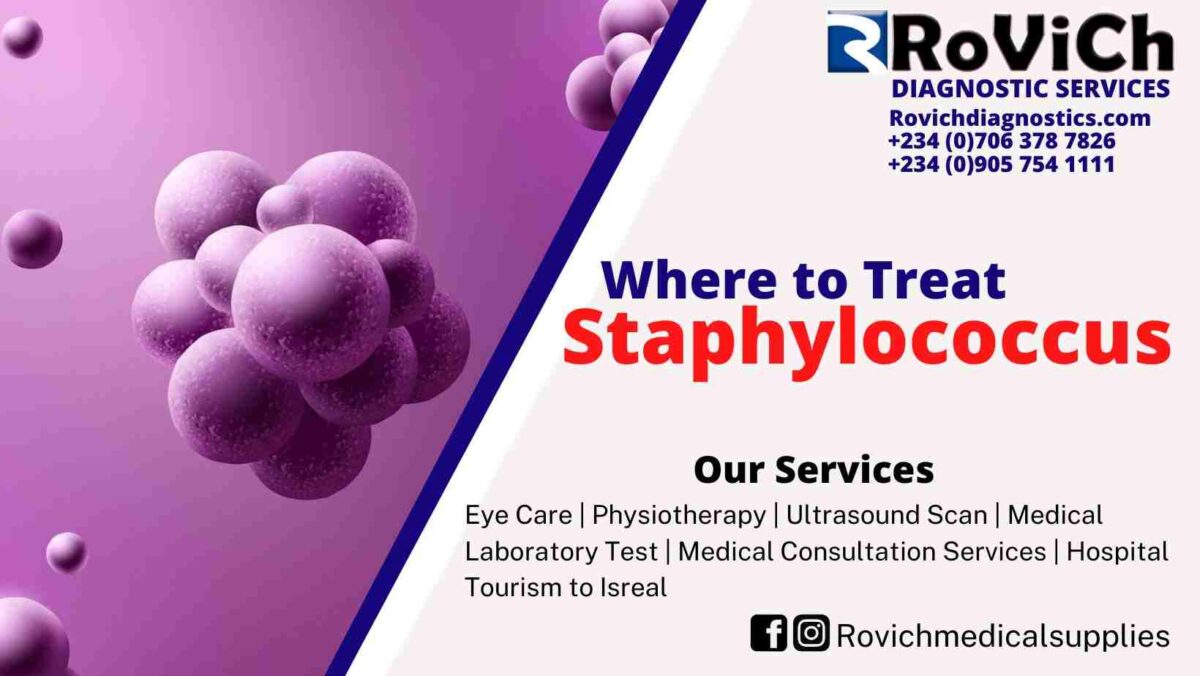
Where to Treat Staphylococcus

Introduction

A Staphylococcus (or “staph”) bacteria is the source of an infection with staph. Actually, about 25% of individuals regularly have staph in their nose, mouth, genitalia, or anal region but show no signs of infection. Additionally, the foot is highly susceptible to absorbing microorganisms from the floor. A small wound that becomes bacterially contaminated is frequently the source of the infection. On the skin, this may appear as honey-yellow crusting.

Simple boils, infections that are resistant to antibiotics, and flesh-eating illnesses are all examples of staph infections. The intensity of the infection, its depth, its rate of spread, and how amenable it is to antibiotic treatment distinguish each of these. Because we abuse drugs, antibiotic-resistant illnesses are more prevalent in North America.

Cellulitis is form of staph infection that involves the skin and affects the deeper layers of the skin. 
Antibiotics are effective in treating it.
The general population is prone to this sort of infection, which is both more prevalent and severe in those with weakened immune systems. 
Diabetes and impaired immune systems make people more vulnerable to cellulitis.

Where to Treat Staphylococcus

Notwithstanding the fact that this infection might be easily dealt with by most drug as prescribed in the article, it is subjected to different blood type however, what might work for Mr. A might not also work Mr. B. it is very important to also get in touch with us at Rovich Diagnostics Services so we can diagnose the best treatment for your blood type.

What Are the Signs of Skin Staph Infection?

Typically, a tiny area of discomfort, swelling, and redness marks the start of staph cellulitis. 
In certain cases, it starts with an open wound. 
Other times, there is absolutely no visible skin break at all.
Cellulitis symptoms include any type of inflammation’s redness, warmth, swelling, and discomfort. 
If skin ulcer or sore shows these symptoms, cellulitis can be developing. 
If the staph infection spreads, the person may have swelling in the area, fever, and occasionally chills and sweats.

Other staph infections of the skin include boils, staphylococcal scalded skin syndrome, which produces rash, blisters, and fever in newborns and young children, and impetigo, a painful rash that is contagious.

What is the Staph Infection Treatment?

Staph infections are treated with antibiotics. But these antibiotics’ effectiveness has gradually changed. Penicillin used to be able to treat the majority of staph infections, but stronger antibiotics are now preferred.

However, even to these powerful antibiotics, resistance is shown in roughly 50% of instances. As was formerly the case, these incidents are now occurring in the broader public instead of simply hospitals. That has been a challenge. Certain medications, which are often prescribed by doctors, eventually fail due to antibiotic resistance. More effective antibiotics are available now, but to stop the spread of antibiotic resistance, doctors must know when to use them.

Another medication is occasionally applied to staph infections. Surgery is required to remove the infection if it has spread so far that muscles or the fibers surrounding muscles are affected.

Can Staph Infections Be Prevented?

A couple of recent outbreaks among football players began when one team member had a boil and the infection was spread to other team members. You can take steps to help prevent staph infections. Any time you have a cut or skin breakdown, wash it with soap and water, over-the- counter hypochlorous acid or chlorhexadine, keep it clean and dry, and keep it covered. A diluted bleach bath twice a week may be helpful to prevent staph skin infections.

If the area is weeping or draining, and if individuals share towels or other contaminated materials, a staph infection is contagious. In locker rooms and other frequently visited locations, wearing foot coverings can help avoid contamination.

Seek immediate medical assistance if the sore starts to hurt or turn red in an unexpected way. When red lines appear, it means the infection is progressing and has to be treated right once.

Conclusion

We have been able to see here that Staph infections are treated with antibiotics. But these antibiotics’ effectiveness has gradually changed. Penicillin used to be able to treat the majority of staph infections, but stronger antibiotics are now preferred. If you have any questions or concerns about what is written here please comment in the discussion below. contact us Rovich Diagnostic Services for consultancy.

Hope this was helpful on the topic “Where to Treat Staphylococcus


Navy-Yellow-Modern-Business-Facebook-Cover-3-1200x676.jpg
14/Oct/2022

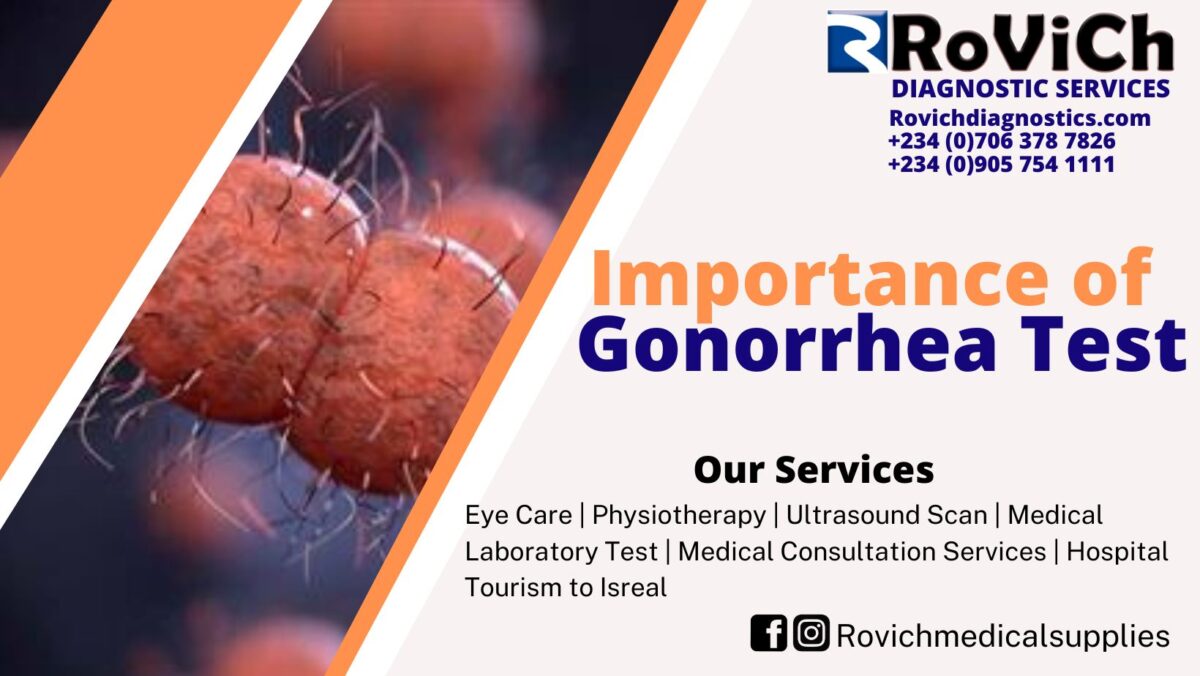
Importance of Gonorrhea Test

Introduction

Testing for gonorrhea is done to look for the infection. There are two circumstances in which a gonorrhea test is carried out:

Screening: In order to identify diseases early, screening tests seek for disorders in people who aren’t displaying any symptoms. Doctors may provide STD screenings in addition to gonorrhea screenings.

Diagnosis: While not all persons with gonorrhea infections exhibit symptoms, some do, including pain and burning while urinating. A person’s symptoms may be caused by gonorrhea, which can be diagnosed or ruled out through gonorrhea testing. Doctors frequently test for both gonorrhea and chlamydia at the same time since the two STDs have symptoms in common.

What is measured by the test?

Testing for gonorrhea looks for signs of infection with the Neisseria gonorrhoeae bacterium. There are various gonorrhea test kinds, including:

Gonorrhea nucleic acid amplification (NAAT) testing is the best test for gonorrhea infection because it can identify the genetic material (DNA) of the gonorrhea bacteria. A urine sample or a swab collected from a probable infection site can both be used for this kind of test.
Gram stain: Under a microscope, Gram stains check for certain cell types that are indicative of a gonorrhea infection. Men who have symptoms related to the urinary system are the main target audience for this test, which is conducted on urethral swabs.

Gonococcal cultures aim to cultivate the gonorrhea germs from swabs taken from suspected infection sites. The only diagnostics that can identify an infection’s antibiotic susceptibility are cultures. If a patient is thought to have a strain of gonorrhea that is resistant to antibiotics, doctors may prescribe a gonococcal culture.
Even though rapid gonorrhea testing is uncommon, a number of technologies are being developed to enable medical providers to provide same-day gonorrhea testing results.

When should I be tested for gonorrhea?

Many health organizations advise routine gonorrhea screening for select adolescents and adults between the ages of 15 and 65 because many gonorrhea infected people do not exhibit any visible symptoms, including

  • Women under 25: All sexually active women under the age of 25 should have annual gonorrhea screenings.
  • Women over 25: Women over 25 who have gonorrhea infection risk factors should be checked annually.
  • Pregnant women: All expectant mothers under the age of 25 should be checked for gonorrhea because it can be transmitted from mother to child during birthing. Women over 25 who are expecting should be checked if they are at an elevated risk of contracting gonorrhea.
  • Men who have sex with men: Men who have sex with men should be screened for gonorrhea every year, or more frequently if they are at higher risk.
  • HIV-positive individuals: Individuals with an HIV diagnosis should get gonorrhea screening at least once year.
  • It is typically not advised to routinely screen heterosexual men without symptoms for gonorrhea.

Risk elements that affect how frequently gonorrhea screenings are conducted include:

  • A recent 60-day sexual partner change
  • Several sexual partners
  • Having had an STD in the past or having just had a sexual partner treated for one
  • Inconsistent use of condoms
  • Trading sexual favors for cash or drugs
  • Having sex with sex workers
  • Interacting with strangers on the internet
  • Being housed in a prison or youth detention facility
  • Using drugs illegally

Anyone exhibiting gonorrhea symptoms or signs ought to be checked for this illness. In cases when a sexual partner has been identified as having gonorrhea, gonorrhea testing should also be requested. When present, gonorrhea symptoms and indicators include:

  • Unpleasant urination
  • Urinary discharge may be white, yellow, or green.
  • pain in the scrotum or testicles.
  • Increased vulvar leaking
  • Bleeding while between periods.
  • An itchy or leaking anal area
  • Anal sensitivity or bleeding
  • Bowel movements that hurt
  • Unwell throat

Three months after finishing antibiotic treatment for gonorrhea, it is advised to test for the condition once more.

Conclusion

We have been able to see here that In order to identify diseases early, screening tests seek for disorders in people who aren’t displaying any symptoms. Doctors may provide STD screenings in addition to gonorrhea screenings. If you have any questions or concerns about what is written here please comment in the discussion below. contact us Rovich Diagnostic Services for consultancy.

Hope this was helpful on the topic “Importance of Gonorrhea Test


Rovich medical Services is a top diagnostic centre that provides world class medical services


Social networks


Facebook

www.facebook.com


Twitter

#WeCare


Instagram

www.instagram.com


Emergency number


0905 754 1111


Call us now if you are in a emergency laboratory need, we will reply swiftly and provide you with an aid


Copyright by Rovich Medical Services. All rights reserved.