Blog

Completely synergize resource taxing relationships via premier niche markets. Professionally cultivate one-to-one customer service with robust ideas.
FAQ-About-Eye-Clinic-Rovich-1200x675.jpg
15/Aug/2022

FAQ About Eye Clinic Rovich

Frequently Asked questions About Eye Clinic

  • What’s Your Eye Problem?
  • What Happens When You Go To An Ophthalmologist?
  • How Long Does it Take To See A Doctor?
  • What Are The Different Types Of Doctors Who Treat Eyes?
  • Why Is It Important to Visit A Medical Professional About My Vision Right Away?
  • Which Is The Best Eye Clinic Can I Go For Check Up?

What’s Your Eye Problem?

If you have any problems with your vision, including double vision (diplopia) or blurred vision (nystagmus), contact an ophthalmologist. If you notice anything unusual about your eyes such as floaters or flashes of light contact your optometrist first.

What Happens When You Go To An Ophthalmologist?

An ophthalmologist is a medical doctor who specializes in disorders of the eye. He or she may use a variety of techniques to diagnose and treat these conditions. Depending on your condition, your ophthalmologist could perform tests to determine if you have a disease, injury, infection, or other problem. These tests might include reviewing your medical history, performing physical exams and screenings, taking blood samples, examining your eyes, or ordering specialized testing.

How Long Does it Take To See A Doctor?

You don’t necessarily need to wait months before seeing an ophthalmologist; however, some people wait much longer than others. Most insurance companies require referrals from your family doctor before authorizing treatment. Ask your ophthalmologist how long he or she normally waits before treating patients, and ask about the average wait time for appointments.

What Are The Different Types Of Doctors Who Treat Eyes?

There are three types of doctors who treat eyes:

Ophthalmologists – Specialize in treating eye diseases and injuries. They are licensed physicians with advanced training in medicine and surgery.

Optometrists – Specialize in diagnosing and treating eye diseases and injuries using optical instruments. They do not prescribe medications, although they can refer their patients to an ophthalmologist if necessary. Optometrists receive 2 years of postsecondary education after high school.

Oculoplastic Surgeons – Specialize in cosmetic procedures related to the eye area, such as eyelid surgery. They are surgeons with extensive training in plastic surgery who specialize in reconstructive surgery of the face and scalp. Oculoplastic surgeons earn an M.D., D.O., or D.C. degree after completing 4 years of undergraduate study.

Why Is It Important to Visit A Medical Professional About My Vision Right Away?

When you visit an ophthalmologist or optometrist for the first time, you’ll likely be asked about your symptoms and performed a series of simple tests called examinations. These examinations help the doctor evaluate your eyes and make sure everything’s working properly. If you experience any changes or problems while being examined, your doctor can order further tests to determine the cause. Be sure to tell your doctor if you’ve been diagnosed with diabetes, glaucoma, cataracts, retinitis pigmentosa, or other eye conditions. Certain conditions can be treated only if they’re caught early.

Which Is The Best Eye Clinic Can I Go For Check Up?

Rovich Diagnostic Services is a top diagnostic centre that provides world class medical investigations. Our eye clinic was established to respond to the need for quality and cost effective eye related issues which support and increase positive health care outcomes in Nigeria.

If you have any questions or concerns about what is written here please comment in the discussion below. If you want someone else’s input about this please contact us 

Hope this was helpful on the topic “Importance of Ultrasound Scan Work

Might also Interest you :  what are the symptoms of kidney diseases

Might also Interest you: TYPES OF MEDICAL SCANNERS USED FOR DIAGNOSTIC IMAGING

Might also Interest you: DIFFERENCES BETWEEN HOSPITAL AND DIAGNOSTIC CENTRE

Might also Interest you : BEST MEDICAL EQUIPMENT FOR DIALYSIS IN 2022

Might also Interest you : How to stay free from color blindness

Might also Interest you : How to leave healthy in a toxic environment 

Might also Interest you : Ways to Reduce your high blood pressure   FAQ About Eye Clinic Rovich

Might also Interest you : WHAT ARE THE CAUSES OF FIBROID FAQ About Eye Clinic Rovich

Might also Interest you : Danger of self-medication  FAQ About Eye Clinic Rovich


Importance-of-Ultrasound-Scan-Rovich-1200x675.jpg
14/Aug/2022

Importance of Ultrasound Scan Rovich

Ultrasound scans are an excellent way to get a visual representation of your baby. They can also aid in early detection and diagnosis of some common birth defects, such as neural tube defects.

They involve no radiation and little or no discomfort for the mother. They are extremely useful for confirming pregnancies as well as checking on babies during pregnancy. Ultrasound is also helpful in detecting possible abnormalities such as ectopic pregnancies and pelvic infections.
Ultrasounds can be performed with an obstetrician, a radiologist, or another trained health care professional who is qualified to perform ultrasounds. The procedure is non-invasive and painless. The sound waves are sent into the abdomen using a high frequency sound wave. A computer interprets the sound waves, converting them into a visual image on a monitor. The entire examination takes only a few minutes and can be scheduled during an office visit or as part of a checkup routine. Most women are able to see their baby’s image immediately following the screening process.

How an Ultrasound Scan Work

It uses a tiny gadget called an ultrasonic probe that emits high-frequency sound waves.

Although you can’t hear these sound waves, when they reverberate off various body parts, they produce “echoes,” which the probe detects and converts into a moving image. While the scan is running, this image is shown on a monitor.

How to Get Ready for an Ultrasound Scan

You might be requested to follow specific recommendations before to some ultrasound scans in order to enhance the quality of the images obtained.
For instance, you might receive advice to:
Before scan of your unborn child or your pelvic area, it may be necessary to drink water and wait to use the restroom until after the scan.
Eat nothing or drink nothing for few hours prior to the scan since your digestive tract, particularly the liver and gallbladder, may need to be scanned. 
sedative will be administered through little tube into the back of your hand or your arm if you need help relaxing.
Before the scan, you could occasionally receive an injection of contrast agent, safe medication that can help the images look sharper.

The Course of an Ultrasonography Examination

The majority of ultrasound scans last 15 to 45 minutes. 
They are often carried out by physician, radiographer, or sonographer at hospital radiology department.
They may also be carried out by other healthcare professionals, such as midwives or physiotherapists who have received specialized training in ultrasound, in community settings like GP offices.
There are various types of ultrasonic scans depending on the body part being examined and the purpose of the scan.

How to Get Ready for an Ultrasound Scan

You might be requested to follow specific recommendations before to some ultrasound scans in order to enhance the quality of the images obtained.
For instance, you might receive advice to:
There are primary types:
  • Internal ultrasound scan: the probe is inserted into the body 
  • Endoscopic ultrasound scan: the probe is attached to long, thin, flexible tube (an endoscope), which is passed farther into the body for the ultrasound scan. 
  • External ultrasound scan: the probe is moved over the skin.
The hospital may require you to take off some clothing and put on hospital gown, depending on the section of your body being checked.

An ultrasound provides information about your baby’s health by measuring organ development and determining if there are any problems with the growth of your baby (fetal development). Ultrasound is useful for monitoring any pregnancy-related problems such as:

After an Ultrasound

Most of the time, there are no side effects and you can leave right once the scan is complete.
If no sedative was used, you can immediately drive, eat, and engage in other usual activities.
If you received sedative before an endoscopic ultrasound to help you relax, you will typically be told to stay in the hospital for few hours until the drug starts to wear off.

It will be your responsibility to make arrangements for someone to pick you up from the hospital and stay with you for the following 24 hours.

During this period, you shouldn’t drive, consume alcohol, or operate machinery.
You might learn the scan’s findings right away, but more often than not, the photos must be analyzed before report can be submitted to the doctor who recommended the scan. The results will be discussed with you few days later or, if an appointment has been scheduled, at your following visit.

Risks of Ultrasound

There may be some minor risks associated with an ultrasound. These risks are very small, but women sometimes experience these side effects during a routine ultrasound. They are most likely to occur if the ultrasound technician is not properly trained. The risks include:

Many women who experience any of the above side effects have no need to worry, and it’s normal to experience mild discomfort when they have an ultrasound scan.

The sound waves utilized in an ultrasound scan pose no known dangers. 
Contrary to several other types of scans, like CT scans, ultrasonic scans don’t expose the patient to radiation.
While both external and internal ultrasound scans are normally painless and have no negative side effects, you could feel some discomfort as the probe is placed against your skin or put into your body.

It is crucial to inform the sonographer or physician performing the scan that you are allergic to latex if you are having an internal scan so they can use latex-free probe cover.

Endoscopic ultrasounds can occasionally be little more painful and result in transient side effects including bloating or sore throat.
Additionally, there is slight possibility of more severe side effects such internal hemorrhage.

Conclusion

There are a variety of types of scanners and their specific capabilities, but the most important ones are MRI, CT, PET and Ultrasound. The inclusion of these types of scanners in a hospital has been shown to reduce mortality rates by up to 15%. In order to more thoroughly examine organs during this type of scan, we need better techniques for scanning and extracting images. The MRI scanner can be used but it has limitations such as not being able to see into soft tissues such as the brain without contrast or intravenous dye.

If you have any questions or concerns about what is written here please comment in the discussion below. If you want someone else’s input about this please contact us 

Hope this was helpful on the topic “Importance of Ultrasound Scan Work” for more info kindly Contact Us

Might also Interest you :  what are the symptoms of kidney diseases

Might also Interest you: TYPES OF MEDICAL SCANNERS USED FOR DIAGNOSTIC IMAGING

Might also Interest you: DIFFERENCES BETWEEN HOSPITAL AND DIAGNOSTIC CENTRE

Might also Interest you : BEST MEDICAL EQUIPMENT FOR DIALYSIS IN 2022

Might also Interest you : How to stay free from color blindness

Might also Interest you : How to leave healthy in a toxic environment 

Might also Interest you : Ways to Reduce your high blood pressure  Importance of Ultrasound Scan Rovich

Might also Interest you : WHAT ARE THE CAUSES OF FIBROID Importance of Ultrasound Scan Rovich

Might also Interest you : Danger of self-medication Importance of Ultrasound Scan Rovich


Medical-Scanner-Rovich-Diagnostics-1200x675.jpg
14/Aug/2022

Medical Scanner Rovich Diagnostic

MEDICAL SCANNERS

Medical scanner is also known as Medical Imaging. Medical Imaging is the technique and process of imaging the interior of a body for clinical analysis and medical intervention, as well as visual representation of the function of some organs or tissues (physiology). Medical imaging seeks to reveal internal structures hidden by the skin and bones, as well as to diagnose and treat disease. Medical imaging also establishes a database of normal anatomy and physiology to make it possible to identify abnormalities. Although imaging of removed organs and tissues can be performed for medical reasons, such procedures are usually considered part of pathology instead of medical imaging.

As a discipline and in its widest sense, it is part of biological imaging and incorporates radiology, which uses the imaging technologies of:

  • X-ray radiography
  • Magnetic resonance imaging
  • Ultrasound
  • Endoscopy
  • Elastography
  • Tactile imaging
  • Thermography
  • Medical photography
  • Nuclear medicine functional imaging techniques as
  • Positron emission tomography (PET)
  • Single-photon emission computed tomography (SPECT)

Measurement and recording techniques that are not primarily designed to produce images, such as electroencephalography (EEG), magnetoencephalography (MEG), electrocardiography (ECG), and others, represent other technologies that produce data susceptible to representation as a parameter graph versus time or maps that contain data about the measurement locations. In a limited comparison, these technologies can be considered forms of medical imaging in another discipline.

Medical imaging is often perceived to designate the set of techniques that noninvasively produce images of the internal aspect of the body. In this restricted sense, medical imaging can be seen as the solution of mathematical inverse problems. This means that cause (the properties of living tissue) is inferred from effect (the observed signal).

TYPES OF MEDICAL SCANNERS/ IMAGINING

There are many different types of medical scans, some of which are listed below

  • RADIOGRAPHY

Two forms of radiographic images are in use in medical imaging. Projection radiography and fluoroscopy, with the latter being useful for catheter guidance. These 2D techniques are still in wide use despite the advance of 3D tomography due to the low cost, high resolution, and depending on the application, lower radiation dosages with 2D technique. This imaging modality utilizes a wide beam of x-rays for image acquisition and is the first imaging technique available in modern medicine. 

  • MAGNETIC RESONANCE IMAGING

A magnetic resonance imaging instrument (MRI scanner), or “nuclear magnetic resonance (NMR) imaging” scanner as it was originally known, uses powerful magnets to polarize and excite hydrogen nuclei (i.e., single protons) of water molecules in human tissue, producing a detectable signal which is spatially encoded, resulting in images of the body.

  • NUCLEAR MEDICINE

Nuclear medicine encompasses both diagnostic imaging and treatment of disease, and may also be referred to as molecular medicine or molecular imaging and therapeutics. Nuclear medicine uses certain properties of isotopes and the energetic particles emitted from radioactive material to diagnose or treat various pathologies. Different from the typical concept of anatomic radiology, nuclear medicine enables assessment of physiology. Medical Scanner Rovich Diagnostic

  • MEDICAL ULTRASOUND

Medical ultrasound uses high frequency broadband sound waves in the megahertz range that are reflected by tissue to varying degrees to produce (up to 3D) images. This is commonly associated with imaging the fetus in pregnant women. Uses of ultrasound are much broader, however. Other important uses include imaging the abdominal organs, heart, breast, muscles, tendons, arteries and veins.

  • ELASTOGRAPHY 

Elastography is a relatively new imaging modality that maps the elastic properties of soft tissue. This modality emerged in the last two decades. Elastography is useful in medical diagnoses, as elasticity can discern healthy from unhealthy tissue for specific organs/growths. For example, cancerous tumors will often be harder than the surrounding tissue, and diseased livers are stiffer than healthy ones. There are several elastographic techniques based on the use of ultrasound, magnetic resonance imaging and tactile imaging. The wide clinical use of ultrasound elastography is a result of the implementation of technology in clinical ultrasound machines. Main branches of ultrasound elastography include Quasi Static Elastography/Strain Imaging, Shear Wave Elasticity Imaging (SWEI), Acoustic Radiation Force Impulse imaging (ARFI), Supersonic Shear Imaging (SSI), and Transient Elastography.

  • PHOTOACOUSTIC IMAGING

Photoacoustic imaging is a recently developed hybrid biomedical imaging modality based on the photoacoustic effect. It combines the advantages of optical absorption contrast with an ultrasonic spatial resolution for deep imaging in (optical) diffusive or quasi-diffusive regime. Recent studies have shown that photoacoustic imaging can be used in vivo for tumor angiogenesis monitoring, blood oxygenation mapping, functional brain imaging, and skin melanoma detection, etc.

  • TOMOGRAPHY 

Tomography is the imaging by sections or sectioning. The main such methods in medical imaging are: X-ray computed tomography (CT), or Computed Axial Tomography (CAT) scan, is a helical tomography technique (latest generation), which traditionally produces a 2D image of the structures in a thin section of the body. In CT, a beam of X-rays spins around an object being examined and is picked up by sensitive radiation detectors after having penetrated the object from multiple angles. Medical Scanner Rovich Diagnostic

  • ECHOCARDIOGRAPHY

When ultrasound is used to image the heart it is referred to as an echocardiogram. Echocardiography allows detailed structures of the heart, including chamber size, heart function, the valves of the heart, as well as the pericardium (the sac around the heart) to be seen. Echocardiography uses 2D, 3D, and Doppler imaging to create pictures of the heart and visualize the blood flowing through each of the four heart valves. Echocardiography is widely used in an array of patients ranging from those experiencing symptoms, such as shortness of breath or chest pain, to those undergoing cancer treatments. Transthoracic ultrasound has been proven to be safe for patients of all ages, from infants to the elderly, without risk of harmful side effects or radiation, differentiating it from other imaging modalities.

IMPORTANCE OF MEDICAL SCANNERS

Medical imaging is an extremely important element in medical practice in this day and age. Medical imaging has changed the face of the healthcare industry and allowed practitioners and scientists to learn more about the human body than ever before.

  • The use of ultrasound imaging is extremely important for expectant mothers. Ultrasound technology has advanced significantly over the past decade, and sonogram images are now produced with a much higher resolution, creating finely detailed images. This gives obstetricians a vastly improved picture of the baby’s health and progress in the womb, allowing them to ascertain any issues of concern much earlier on in the pregnancy. As well as obstetrics, ultrasound is extensively used on other parts of the body including the soft tissues of the neck, breasts, abdomen, pelvis, and soft tissues of the extremities. It is also used as a guide for biopsies of soft tissues and for some treatments.
  • Medical imaging also is used by surgeons as an aid in surgical procedures. One example of medical imaging as an effective surgical tool is in the case of endoscopic sinus surgery. The extensive network of the sinus can be examined closely prior to the procedure through study of a CT scan. CT scans can provide 3D images of various cross-sections of the body–images which are of absolute necessity when preparing to operate on such an area. 
  • Medical imaging is truly a vital element of the healthcare world–an essential tool for physicians to assist with diagnostics, treatment, and prevention. As technology continues to advance at a rapid rate, we will see growth in medical imaging technology as well. With scientific advancement and a continued effective use, medical imaging will continue to help with earlier detection of health issues, aid in easier treatment, and provide increased preventative care.
  •  Medical imaging can also assist in decisions regarding treatment and future care of the issue. Medical imaging is absolutely necessary when tracking the progress of an ongoing illness. MRI’s and CT scans allow the physician to monitor the effectiveness of treatment and adjust protocols as necessary. The detailed information generated by medical imaging provides patients with better, more comprehensive care. Medical Scanner Rovich Diagnostic

Conclusion

There are a variety of types of scanners and their specific capabilities, but the most important ones are MRI, CT, PET and Ultrasound. The inclusion of these types of scanners in a hospital has been shown to reduce mortality rates by up to 15%. In order to more thoroughly examine organs during this type of scan, we need better techniques for scanning and extracting images. The MRI scanner can be used but it has limitations such as not being able to see into soft tissues such as the brain without contrast or intravenous dye.

If you have any questions or concerns about what is written here please comment in the discussion below. If you want someone else’s input about this please contact us 

Hope this was helpful on the topic “IMPORTANCE OF MEDICAL SCANNERS

Might also Interest you :  what are the symptoms of kidney diseases

Might also Interest you: TYPES OF MEDICAL SCANNERS USED FOR DIAGNOSTIC IMAGING

Might also Interest you: DIFFERENCES BETWEEN HOSPITAL AND DIAGNOSTIC CENTRE

Might also Interest you : BEST MEDICAL EQUIPMENT FOR DIALYSIS IN 2022

Might also Interest you : How to stay free from color blindness

Might also Interest you : How to leave healthy in a toxic environment 

Might also Interest you : Ways to Reduce your high blood pressure 

Might also Interest you : WHAT ARE THE CAUSES OF FIBROID

Might also Interest you : Danger of self-medication


Types-of-Medical-Scanners-Rovich-1200x675.png
11/Aug/2022

Types of Medical Scanners Rovich

MEDICAL SCANNERS

Medical scanner is also known as Medical Imaging. Medical Imaging is the technique and process of imaging the interior of a body for clinical analysis and medical intervention, as well as visual representation of the function of some organs or tissues (physiology). Medical imaging seeks to reveal internal structures hidden by the skin and bones, as well as to diagnose and treat disease. Medical imaging also establishes a database of normal anatomy and physiology to make it possible to identify abnormalities. Although imaging of removed organs and tissues can be performed for medical reasons, such procedures are usually considered part of pathology instead of medical imaging. Might also Interest you: DIFFERENCES BETWEEN HOSPITAL AND DIAGNOSTIC CENTRE

TYPES OF MEDICAL SCANNERS

Various types of diagnostic imaging tools allow doctors to look inside your body for more information about your health. Some of the most used diagnostic imaging tools include the following:

X-RAYS

This type of scan is performed using electromagnetic radiation. X-rays are often used to determine broken bones, pneumonia, and tumors. Mammography is a type of X-ray scan of the breast. An X-ray is one of the fastest types of medical scans that can be performed. X-rays involve targeting a small amount of radiation toward the body where images are needed. To do this, the radiologic technologist needs to make sure the patient is not wearing jewelry or tight-fitting clothes that could impair the quality of the images. Then getting the patient in the correct position is necessary. Once all of that is squared away, it’s time to take some pictures of what’s going on inside the body.

CT SCANS

Also called CAT scans, computed tomography (CT) scans take X-rays and filter them through computerized technology to create a 3-D view of the patient’s organs.The CAT scanner is a large donut-shaped machine, in which the patient travels through the center as the scanner takes images. For certain tests, the patient may drink an oral contrast dye or receive an injection of contrast dye, which helps show what’s happening inside the body. Once everything is ready, the technologist positions the patient on the scanner bed and leaves the room. From a control room, the technologist operates the scanner, which slowly moves the patient through the center.

MRI

Magnetic resonance imaging (MRI) uses magnets and computerized equipment to take pictures inside of a patient’s body. It does not use radiation of any kind, which makes it preferable for many people. 

Patients lay on a table that travels through a tube. The technologist positions the patient so that the area of the body being examined is placed over the magnet. Some patients feel claustrophobic during an MRI, so the technologist may have to comfort some individuals prior to the procedure. MRIs can be fairly noisy, so earplugs or earmuffs may be fitted. Two-way transmitters allow for communications between the patient and technologist during the exam.

For some MRI scans, the physician will request a gadolinium dye injection. This will help the physician in diagnosing any areas of concern, because it helps to provide contrast in the MRI scans.

MAMMOGRAM

Two types of mammograms are offered in the battle against breast cancer: screening and diagnostic mammograms. Screening mammograms are used to first detect any abnormalities. Diagnostic mammograms check for malignancy after a lump or thickening in the breast has been detected. Early detection of cancer is essential in the fight against breast cancer.

Technologists will use different best practices depending on whether a screening or diagnostic exam is being performed. Screening exams typically involve a couple images of each breast. But diagnostic exams are more extensive, with the technologist taking more images from multiple angles. Magnified images are also taken so that physicians can examine suspicious areas.

ULTRASOUND

Sometimes called a sonography, an ultrasound captures images from within the body with the use of high-frequency sound waves. It’s often used to detect concerns with soft tissues such as organs and vessels.

Although it is best known for its role in viewing a fetus during pregnancy, this diagnostic imaging technique is also used for viewing the:

  • Thyroid
  • Kidneys
  • Breasts
  • Testicles
  • Gallbladder
  • Blood vessels
  • Pancreas
  • Liver
  • Prostate
  • Ovaries
  • Uterus

FLUOROSCOPY

While other tests are comparable to still photography, a fluoroscopy is like a motion picture of bodily functions. That’s because a fluoroscopy shows moving body parts. The procedure is often done with contrast dyes, which show how they flow through the body. While all of this is being done, an X-ray beam sends signals to a monitor. Fluoroscopies are used to evaluate both hard and soft tissue, including bones, joints, organs and vessels. Blood flow exams often involve fluoroscopy.

The technologist starts by positioning the patient on the exam table. Unlike many other exams in which the patient is asked to be motionless, the technologist may ask the person to move during the fluoroscopy to get an idea how the body is reacting to motion. Fluoroscopy itself is not painful, but injecting contrast dyes into the body can be, so technologists may need to offer comfort remedies.

PET SCANS

A PET scan, also known as positron emission tomography scan, is like disease detection in the body, revealing problems happening at the cellular level. The procedure involves introducing radioactive tracers into the body. With the use of a PET scanner, the tracers uncover problems that otherwise could go undetected until they worsen.

Depending on the procedure, tracers can be introduced one of three ways: Injection in a vein, inhalation of a gas or drinking a special mixture. It takes a while for tracers to travel within the body, so there is about an hour wait before the scan can happen. When it’s time, the patient will lay down on a table that moves through an O-shaped machine. The technologist instructs the patient when to be motionless and when to hold one’s breath.

CONCLUSION

In conclusion, through our research and our interviews with academics, it is now extremely clear to us that the creation and evolution of Medical Imaging has been critical to modern medicine and medical research. Without medical imaging, nothing would be known about the human body or issues surrounding it without invasive surgery. It is the basis of modern medicine, diagnosis of certain things would be near impossible without Medical Imaging technologies like X-Ray, Computer Tomography and MRI scans, unless dangerous surgery would be conducted. Medical and scientific research would be extremely limited without being able to see the incredibly small ‘building blocks’ that make up everything.  With Medical Imaging, diseases can be easier to cure than ever before. The development of Medical Imaging looks like it can only improve in the future. With so advanced technology like Free-electron Lasers and the synchrotron, you could not say that there is no chance any disease cannot be cured. Medical Imaging has and will save millions of lives, possibly billions.

Hope this was helpful on the topic “TYPES OF MEDICAL SCANNERS USED FOR DIAGNOSTIC IMAGING” for more info kindly Contact Us

Might also Interest you :  what are the symptoms of kidney diseases

Might also Interest you: DIFFERENCES BETWEEN HOSPITAL AND DIAGNOSTIC CENTRE

Might also Interest you : BEST MEDICAL EQUIPMENT FOR DIALYSIS IN 2022

Might also Interest you : How to stay free from color blindness

Might also Interest you : How to leave healthy in a toxic environment 

Might also Interest you : Ways to Reduce your high blood pressure 

Might also Interest you : WHAT ARE THE CAUSES OF FIBROID

Might also Interest you : Danger of self-medication


Hospital-Versus-Diagnostic-Centre-Rovich-Diagnostic-Services-1200x675.jpg
10/Aug/2022

Hospital Versus Diagnostic Centre Rovich Diagnostic Services

DIFFERENCES BETWEEN HOSPITAL AND DIAGNOSTIC CENTRE

Medical centre and hospital are the two words that are used alternatively for the medical services. The term “hospital” is more commonly used rather than the term “medical centre”. Medical centres are vague, and they are rarely used. But there is some difference in both of them.

DEFINITION OF HOSPITAL

A hospital is a healthcare institution providing patient treatment with specialized health science and auxiliary healthcare staff and medical equipment. The best-known type of hospital is the general hospital, which typically has an emergency department to treat urgent health problems ranging from fire and accident victims to a sudden illness.

Hospitals are typically funded by public funding, health organisations (for -profit or nonprofit), health insurance companies, or charities, including direct charitable donations. Historically, hospitals were often founded and funded by religious orders, or by charitable individuals and leaders

DEFINITION OF DIAGNOSTIC CENTRE

A diagnostic centre/medical centre is  a large health-care facility that provides medical and surgical care and is often affiliated with a medical school.

Medical centre means premises, other than a hospital, used by one or more health consultant(s) for the investigation or treatment of human injuries or ailments and for general outpatient care (including preventative care, diagnosis, medical and surgical treatment, and counselling);

DIFFERENCE BETWEEN  HOSPITAL AND DIAGNOSTIC CENTRE

  • A medical centre is a centre that houses a group of doctors. These doctors provide health care services to the patients from a single premise.
  • Various medical centres are different in their shapes and sizes. Medical centres are of different types too. Some medical centres offer doctors for general practice while other medical centres offer doctors for special services and surgeries such as oncology, dermatology, plastic surgery, radiology, gastroenterology, etc. These doctors are called specialists. Some medical centres provide both general practitioners and specialists.
  • Hospitals offer care across a broad range of medical issues. Doctors called hospitalists usually specializes in internal medicine, pediatrics, or family practice. They have the knowledge to help with common issues and resources to solve more complex medical problems. Your hospital may also offer specialty care like neurology, obstetrics and genecology, and oncology.
  • Hospitals never close. You can visit a hospital no matter what time it is, even on a holiday. If your condition is severe, you can stay overnight so staff members can watch you and offer constant care.
  • The duties of a Diagnostic include analyzing and collecting data, calibrating equipment, performing diagnostic tests and repairs, and organizing work records and reports. A Diagnostic Technician must have sound knowledge in using technical equipment and adheres to safety regulations when handling any tools.
  • Medical professionals at hospitals give you complete attention from start to finish. They assess you based on your concerns and offer short-term care for immediate needs. Doctors can then make referrals to specialists. Hospital Versus Diagnostic Centre Rovich

CONCLUSION

Health care is moving into the home increasingly often and involving a mixture of people, a variety of tasks, and a broad diversity of devices and technologies; it is also occurring in a range of residential environments. The factors driving this migration include the rising costs of providing health care; the growing numbers of older adults; the increasing prevalence of chronic disease; improved survival rates of various diseases, injuries, and other conditions (including those of fragile newborns); large numbers of veterans returning from war with serious injuries; and a wide range of technological innovations. The health care that results varies considerably in its safety, effectiveness, and efficiency, as well as its quality and cost.

Hospitals have long existed in most countries. Developing countries, which contain a large proportion of the world’s population, generally do not have enough hospitals, equipment, and trained staff to handle the volume of persons who need care. Thus, people in these countries do not always receive the benefits of modern medicine, public health measures, or hospital care, and they generally have lower life expectancies.

Hope this was helpful on the topic “DIFFERENCES BETWEEN HOSPITAL AND DIAGNOSTIC CENTRE” for more info kindly Contact Us

Might also Interest you :  what are the symptoms of kidney diseases

Might also Interest you : BEST MEDICAL EQUIPMENT FOR DIALYSIS IN 2022

Might also Interest you : How to stay free from color blindness

Might also Interest you : How to leave healthy in a toxic environment 

Might also Interest you : Ways to Reduce your high blood pressure 

Might also Interest you : WHAT ARE THE CAUSES OF FIBROID

Might also Interest you : Danger of self-medication


Rovich-Diagnostics-Services-Enugu-1200x675.jpg
09/Aug/2022

Rovich Diagnostic Services Enugu

MEANING OF THERAPY

A therapy or medical treatment (often abbreviated tx, Tx, or Tx) is the attempted remediation of a health problem, usually following a medical diagnosis.

As a rule, each therapy has indications and contraindications. There are many different types of therapy. Not all therapies are effective. Many therapies can produce unwanted adverse effects.

Medical treatment and therapy are generally considered synonyms. However, in the context of mental health, the term therapy may refer specifically to psychotherapy.

TYPES OF THERAPIES

1.      PSYCHOANALYSIS AND PSYCHODYNAMIC THERAPIES

This approach focuses on changing problematic behaviors, feelings, and thoughts by discovering their unconscious meanings and motivations. Patients learn about themselves by exploring their interactions in the therapeutic relationship.

2.      BEHAVIOR THERAPY

This approach focuses on learning’s role in developing both normal and abnormal behaviors.

3.      COGNITIVE THERAPY

Cognitive therapy emphasizes what people think rather than what they do.

Cognitive therapists believe that it’s dysfunctional thinking that leads to dysfunctional emotions or behaviors. By changing their thoughts, people can change how they feel and what they do.

4.  HUMANISTIC THERAPY

 This approach emphasizes people’s capacity to make rational choices and develop to their maximum potential. Concern and respect for others are also important themes. Three types of humanistic therapy are especially influential. 

  •         Client-centered therapy
  •         Gestalt therapy
  •         Existential therapy

5.      INTEGRATIVE OR HOLISTIC THERAPY

Many therapists don’t tie themselves to any one approach. Instead, they blend elements from different approaches and tailor their treatment according to each client’s needs.

BEST MEDICAL THERAPY FOR NURSING MOTHERS (BREAST FEEDING MOTHERS) 

Prescribing medications for a breast-feeding mother requires weighing the benefits of medication use for the mother against the risk of not breast-feeding the infant or the potential risk of exposing the infant to medications. A drug that is safe for use during pregnancy may not be safe for the nursing infant. The transfer of medications into breast milk depends on a concentration gradient that allows passive diffusion of nonionized, non-protein-bound drugs. The infant’s medication exposure can be limited by prescribing medications to the breast-feeding mother that are poorly absorbed orally, by avoiding breast-feeding during times of peak maternal serum drug concentration and by prescribing topical therapy when possible. Mothers of premature or otherwise compromised infants may require altered dosing to avoid drug accumulation and toxicity in these infants. The most accurate and up-to-date sources of information, including Internet resources and telephone consultations, should be used.

ANTIBIOTICS

Penicillins and cephalosporins, which are excreted in milk in trace amounts, are compatible with breast-feeding. A remote possibility exists that the child will experience an allergic reaction to the antibiotic or develop diarrhea caused by changes in gut flora. Trimethoprim-sulfamethoxazole (Bactrim, Septra) is compatible with breast-feeding, but its use should be avoided when nursing infants are younger than two months because of its potential for causing increased bilirubin levels. Rovich Diagnostic Services Enugu

Tetracycline is excreted in small amounts in breast milk, but the calcium in breast milk limits its absorption. Although tetracycline is compatible with breast-feeding, other antibiotics are preferred, especially for long-term use. Newer derivatives such as doxycycline (Vibramycin) or minocycline (Minocin) should be avoided because of higher absorption by infants and toxicity in children (e.g., dental staining, decreased bone growth). 

ANTIDEPRESSANTS

Maternal depression is known to have an adverse effect on parenting and infant development. Tricyclic antidepressants have been shown to have little to no effect on the breastfeeding infant, although the AAP finds most tricyclic agents to be of possible concern. Taking a single daily dose at bedtime will limit the infant’s exposure to the medication. The selective serotonin reuptake inhibitors (SSRIs) are generally the first choice of treatment for depression. Sertraline (Zoloft) is likely to be the safest choice among them because it has been studied extensively and because drug levels found in nursing infants are usually minimal.

Fluoxetine (Prozac) use during pregnancy has been well-studied, and many new mothers are already taking it at delivery. Its use during breast-feeding is controversial, however. Fluoxetine’s long half-life and potential for accumulation in breast milk has prompted some recommendations to avoid its use in women who are breast-feeding young infants. Colic and fussiness have been attributed to elevated serum concentrations of fluoxetine and its metabolite in nursing infants.

ANALGESICS

Of the nonsteroidal anti-inflammatory drugs (NSAIDs), ibuprofen (Motrin) is the preferred choice because it has poor transfer into milk and has been well-studied in children. Long half-life NSAIDs such as naproxen (Naprosyn), sulindac (Clinoril) and piroxicam (Feldene) can accumulate in the infant with prolonged use.

Epidural use of bupivacaine (Marcaine), lidocaine (Xylocaine), morphine, fentanyl (Sublimaze) and sufentanil (Sufenta) is generally safe in breast-feeding mothers. Morphine, codeine and hydrocodone are considered compatible with breast-feeding by the AAP.

Meperidine (Demerol) is not the preferred analgesic for use in breast-feeding women because of the long half-life of its metabolite in infants. Repeated exposure to analgesic agents, especially meperidine, may result in drug accumulation and toxic effects in young or compromised infants because of their underdeveloped hepatic conjugation. Rovich Diagnostic Services Enugu

CONTRACEPTIVE AGENTS

Hormones contained in combination oral contraceptive pills (OCPs) are not harmful to infants but, because estrogen diminishes the maternal milk supply, these products should be avoided in breast-feeding mothers whenever possible, especially during the first two months of breast-feeding. Progestin-only contraceptives are preferable, although these also may decrease milk supply. Delaying the use of OCPs, including the progestin-only mini-pill, until six weeks after starting breast-feeding and then using a progestin-only mini-pill (such as Micronor) will allow the mother to assess the drug’s effect on her milk supply. If the medication is well-tolerated, repository medroxyprogesterone (Depo-Provera) can be used. 

ANESTHETIC AGENTS

Although limited information is available regarding anesthetic agents and their compatibility with breast-feeding, use of propofol (Diprivan), thiopental sodium (Pentothal) and enflurane (Ethrane), should result in negligible amounts of drug exposure to the nursing infant. In general, the healthy term infant can safely nurse as soon after surgery as the mother is awake and alert. Rovich Diagnostic Services Enugu

CONCLUSION

In short, breast-feeding has so many benefits for mothers and infants. Breast-feeding helps infants with developing their immune system. Also, breastfeeding can save parents a lot of money. Even with help by the government, not all parents qualify for help. Lastly, breast-feeding can promote closeness between mother and infant. This is why breast-feeding is more beneficial than formula feeding. Although mothers are still being judged for breastfeeding in public today, women should still feel a sense of hope that there are people who support them. Also, the infant’s health is the most important thing.

Hope this was helpful on the topic “BEST MEDICAL THERAPY FOR NURSING MOTHERS” for more info kindly Contact Us

Might also Interest you :  what are the symptoms of kidney diseases

Might also Interest you : BEST MEDICAL EQUIPMENT FOR DIALYSIS IN 2022

Might also Interest you : How to stay free from color blindness

Might also Interest you : How to leave healthy in a toxic environment 

Might also Interest you : Ways to Reduce your high blood pressure 

Might also Interest you : WHAT ARE THE CAUSES OF FIBROID

Might also Interest you : Danger of self-medication


Buy-Dialysis-Equipment-Rovich-1200x675.jpg
08/Aug/2022

Buy Dialysis Equipment Rovich

MEANING OF DIALYSIS

Dialysis is the process of removing excess water, solutes, and toxins from the blood in people whose kidneys can no longer perform these functions naturally. This is referred to as renal replacement. Dialysis may need to be initiated when there is a sudden rapid loss of kidney function, known as acute kidney injury (previously called acute renal failure), or when a gradual decline in kidney function, chronic kidney disease, reaches stage 5. Stage 5 chronic renal failure is reached when the glomerular filtration rate is 10–15% of normal, creatinine clearance is less than 10 mL per minute and uremia is present. Buy Dialysis Equipment Rovich

Dialysis is used as a temporary measure in either acute kidney injury or in those awaiting kidney transplant and as a permanent measure in those for whom a transplant is not indicated or not possible.  The first successful dialysis was performed in 1943.

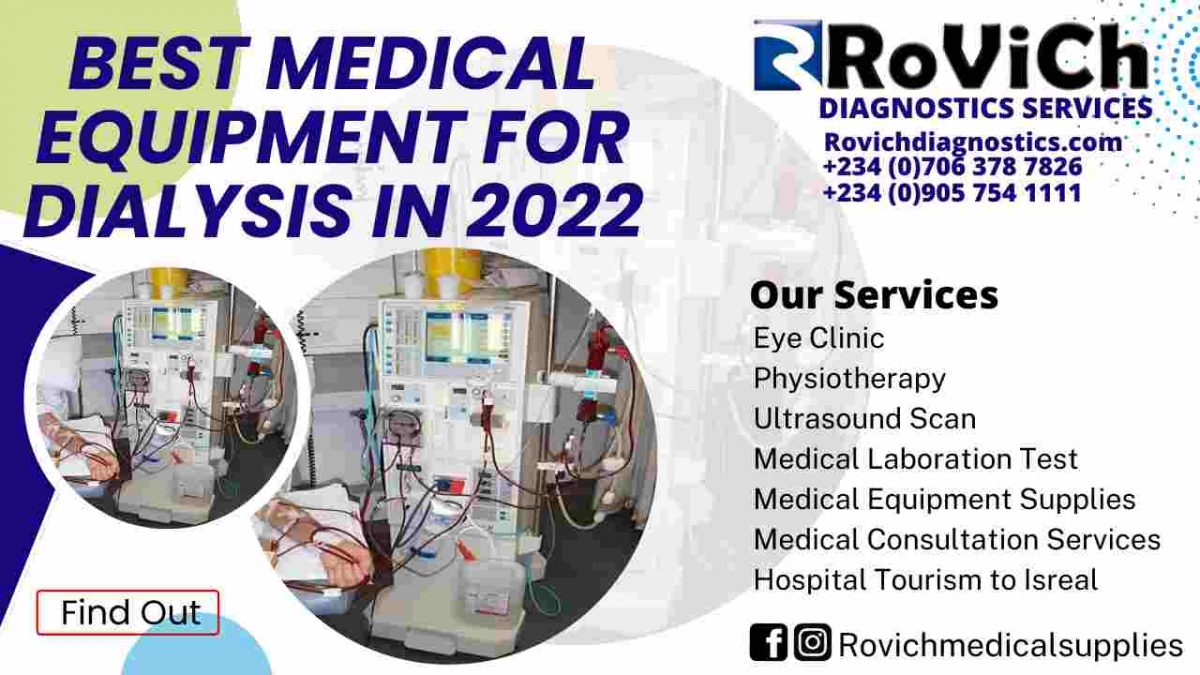
EQUIPMENTS USED FOR DIALYSIS

1.   DIALYZER

In Hemodialysis, a dialysis machine and a special filter called an artificial kidney, or a dialyzer, are used to clean your blood. A dialyzer is the part in the hemodialysis machine where a patient’s blood gets filtered. The dialyzer has two parts, one for the patient’s blood and one for a washing fluid called dialysate. A thin membrane separates these two parts. Blood cells, protein, and other important things remain in the patient’s blood because they are too big to pass through the membrane. Smaller waste products in the blood, such as urea, creatinine, potassium, and extra fluid pass through the membrane and are washed away.


  1. DIALYSIS MACHINES

Computer-controlled dialysis machines are one of the most important products in hemodialysis. It performs a number of key functions – it pumps blood from the patient’s body through the blood lines to the dialyzer. There, a fluid known as dialysate transports the toxins and excess water filtered from the blood away from the body. The fluid is introduced against the flow of blood through a separate circuit that is also controlled by the dialysis machine. In addition, the device injects drugs that restrain coagulation.

3.   AV FISTULA NEEDLE

An Arteriovenous (AV) Fistula Needle allows venous and arterial access for patients undergoing hemodialysis. An AV Fistula Needle is a part of the connector of the hemodialysis system. It creates an internal fistula akin to its natural counterpart in the body by connecting blood lines with blood vessels through needles. After the fistula is surgically created, the system is allowed to mature before it is ready to be used for hemodialysis. The needles have flexible butterfly wings for better grip and this also allow easy insertion and minimize trauma to the patient.

4.   PERITONEAL DIALYSIS SUPPLIES

There are two types of peritoneal dialysis: Continuous Ambulatory Peritoneal Dialysis (CAPD) and Automated Peritoneal Dialysis (APD).

In CAPD, treatments are performed continuously without a machine. Typically, three to five exchanges are done per day in a clean environment.

In Automated Peritoneal Dialysis (APD), a dialysis machine performs the exchange of fluid, helping in making overnight treatment possible.

5.   SUPPLEMENTAL DRUGS

Dialysis can help perform most of the kidneys’ vital functions but it cannot entirely replace the natural organ. Therefore, patients with chronic kidney failure must also take drugs to control the balance of minerals in the body and prevent a lack of red blood cells (anemia).


6.   BLOOD TUBING SET

Designed for the patient to connect an external system which extracts their blood to the dialyzer and then returns patient’s blood from the dialyzer, Blood Tubing Sets are particularly used for continuous blood supplies during Hemodialysis. During hemodialysis, these blood lines act as a blood channel during blood purification treatment. Blood Tubing Sets are disposable bloodlines, intended to transfer blood from patients’ vascular access system to the hemodialyzer through an arterial tubing, and from the hemodialyzer to the patient vascular system via a venous tubing.

The blood tubing set consists of two parts: Arterial and Venous line which are used during dialysis with attached fistula and dialyzer.

7.   WATER TREATMENT (RO)

The dialysate is made up of water and chemicals and the patient’s blood comes in contact with dialysate, and the water used for this process must be very pure. Reverse Osmosis procedure can make the normal tap water pure enough to use for hemodialysis. Water treatment (RO) system produces water that is safe for dialysis.

8.   ELECTRIC DIALYSIS CHAIR

The Electric Dialysis Chair is specifically designed for dialysis patients. The chair features a foot beard for relaxation and upholstery thickness improves patient comfort. The footrest can be pressed by the patient during the procedure to relieve the muscle cramps that may occur during treatment. The chair has an electric tilt adjustment that makes the treatment comfortable for the patient. Buy Dialysis Equipment Rovich

DISINFECTANT

Hemodialysis disinfectant contains the best cleaning agents for hemodialysis machines that help keep instruments clean all the time.

CONCLUSION

Severe forms of kidney disease which requires dialysis are curable in some instances. Even if it is not curable, the patient can still lead a meaningful life while on dialysis. Kidney is the only vital organ which can be replaced long term by a machine with reasonable success.

Hope this was helpful on the topic “BEST MEDICAL EQUIPMENT FOR DIALYSIS IN 2022” for more info kindly Contact Us

Might also Interest you :  what are the symptoms of kidney diseases

Might also Interest you : How to stay free from color blindness

Might also Interest you : How to leave healthy in a toxic environment 

Might also Interest you : Ways to Reduce your high blood pressure 

Might also Interest you : WHAT ARE THE CAUSES OF FIBROID

Might also Interest you : Danger of self-medication


Blue-Controller-Faux-OrganicAbstract-Technology-Gaming-Facebook-Shops-Cover-33-1200x900.jpg
28/Sep/2021

symptoms of kidney diseases

 INTRODUCTION

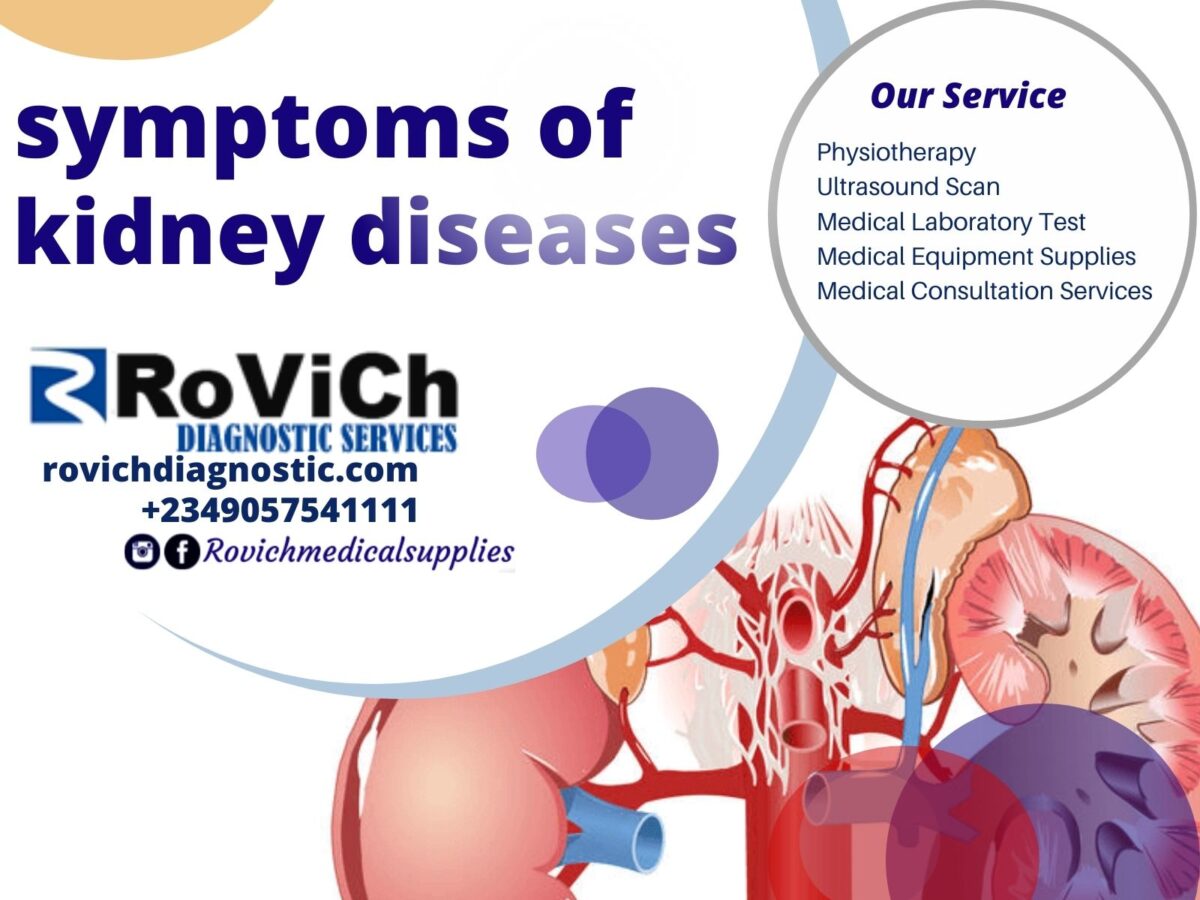
The kidneys are two reddish-brown bean-shaped organs found in vertebrates. They are located on the left and right in the retroperitoneal space, and adult humans are about 12 centimeters (4+1⁄2 inches) in length. They receive blood from the paired renal arteries; blood exits into the paired renal veins. Each kidney is attached to a ureter, a tube that carries excreted urine to the bladder. The kidney participates in the control of the volume of various body fluids, fluid osmolality, acid–base balance, various electrolyte concentrations, and removal of toxins. Filtration occurs in the glomerulus: one-fifth of the blood volume that enters the kidneys is filtered. Examples of substances reabsorbed are solute-free water, sodium, bicarbonate, glucose, and amino acids. Examples of substances secreted are hydrogen, ammonium, potassium and uric acid. The kidneys also carry out functions independent of the nephron. For example, they convert a precursor of vitamin D to its active form, calcitriol; and synthesize the hormones erythropoietin and renin. The nephron is the structural and functional unit of the kidney. Each adult human kidney contains around 1 million nephrons, while a mouse kidney contains only about 12,500 nephrons. Procedures used in the management of kidney disease include chemical and microscopic examination of the urine (urinalysis), measurement of kidney function by calculating the estimated glomerular filtration rate (eGFR) using the serum creatinine; and kidney biopsy and CT scan to evaluate for abnormal anatomy. Dialysis and kidney transplantation are used to treat kidney failure; one (or both sequentially) of these are almost always used when renal function drops below 15%. Nephrectomy is frequently used to cure renal cell carcinoma.   symptoms of kidney diseases                                                                                                                          

Renal physiology is the study of kidney function. Nephrology is the medical specialty which addresses diseases of kidney function: these include chronic kidney disease, nephritic and nephritic syndromes, acute kidney injury, and pyelonephritis. Urology addresses diseases of kidney (and urinary tract) anatomy: these include cancer, renal cysts, kidney stones and ureteral stones, and urinary tract obstruction. The word “renal” is an adjective meaning “relating to the kidneys”, and its roots are French or late Latin. Whereas according to some opinions, “renal” should be replaced with “kidney” in scientific writings such as “kidney artery”, other experts have advocated preserving the use of renal as appropriate including in “renal artery

Importance of the kidney

Most people know that a major function of the kidneys is to remove waste products and excess fluid from the body. These waste products and excess fluid are removed through the urine. The production of urine involves highly complex steps of excretion and reabsorption. This process is necessary to maintain a stable balance of body chemicals. The critical regulation of the body’s salt, potassium and acid content is performed by the kidneys. The kidneys also produce hormones that affect the function of other organs. For example, a hormone produced by the kidneys stimulates red blood cell production. Other hormones produced by the kidneys help regulate blood pressure and control calcium metabolism.

Rovich Diagnostics service
Best Diagnostics service in Anambra

best medical equipment

The kidneys are powerful chemical factories that perform the following functions:

  •         Remove waste products from the body
  •         Remove drugs from the body
  •         Balance the body’s fluids
  •         Release hormones that regulate blood pressure
  •         Produce an active form of vitamin D that promotes strong, healthy bones
  •         Control the production of red blood cells. 

Causes of kidney diseases

The two main causes of chronic kidney disease are diabetes and high blood pressure, which are responsible for up to two-thirds of the cases. Diabetes happens when your blood sugar is too high, causing damage to many organs in your body, including the kidneys and heart, as well as blood vessels, nerves and eyes.

symptoms of kidney diseases

Kidney diseases and associated symptoms

Symptoms                                                                                                 

Signs and symptoms of chronic kidney disease develop over time if kidney damage progresses slowly. Loss of kidney function can cause a buildup of fluid or body waste or electrolyte problems. Depending on how severe it is, loss of kidney function can cause:

  •         Nausea
  •         Vomiting
  •         Loss of appetite
  •         Fatigue and weakness
  •         Sleep problems
  •         Urinating more or less
  •         Decreased mental sharpness
  •         Muscle cramps
  •         Swelling of feet and ankles
  •         Dry, itchy skin
  •         High blood pressure (hypertension) that’s difficult to control
  •         Shortness of breath, if fluid builds up in the lungs
  •         Chest pain, if fluid builds up around the lining of the heart

Signs and symptoms of kidney disease are often nonspecific. This means they can also be caused by other illnesses. Because your kidneys are able to make up for lost function, you might not develop signs and symptoms until irreversible damage has occurred.

symptoms of kidney diseases

REMEDY (symptoms of kidney diseases)

There’s no cure for chronic kidney disease (CKD), but treatment can help relieve the symptoms and stop it getting worse. Your treatment will depend on the stage of your CKD. The main treatments are: lifestyle changes – to help you stay as healthy as possible. Such as

  •         Control your blood sugar if you have diabetes.
  •         Keep a healthy blood pressure.
  •         Follow a low-salt, low-fat diet.
  •         Exercise at least 30 minutes on most days of the week.
  •         Keep a healthy weight.
  •         Do not smoke or use tobacco.
  •         Limit alcohol

 FREQUENTLY ASK QUESTION

What are the common causes of kidney diseases?

High blood pressure, diabetes and obesity are the most common causes of kidney diseases. High blood pressure damages the tiny blood vessels and filtering units in the kidneys, reducing the kidneys’ capacity to remove excess water and waste from the blood. People with diabetes have high levels of blood glucose, which is harmful to the blood vessels in the kidneys. According to the Mayo Clinic, one in four patients with diabetes develops kidney disease eventually 2. As for individuals with obesity, they are more vulnerable to developing high blood pressure and diabetes, as well as kidney diseases.  

What drugs are harmful to the kidneys?

All drugs pass through the kidneys. In particular, pain medications, antibiotics, prescription laxatives and contrast dye can reduce blood flow to the organs. Make sure you follow the instructions of your healthcare provider to prevent injury to the kidneys.                                          Alcohol and illegal substances can hurt the kidneys, as well.                                                            


CONCLUSION OF (symptoms of kidney diseases)

The kidneys filter waste and excess fluid from the blood. As kidneys fail, waste builds up. Symptoms develop slowly and aren’t specific to the disease. Some people have no symptoms at all and are diagnosed by a lab test .Medication helps manage symptoms. In later stages, filtering the blood with a machine (dialysis) or a transplant may be required. Therefore some physical activities such as exercise, stopping smoking of tobacco, limit intake of alcohol, limit excess intake of sugar and obesity. etc should always be done in order to stay free from developing these deadly kidney diseases. And when symptoms persists, u are advised to go and see the specialist

 Hope this was Helpful, for more updates and information on how well to deal with such issue of kidney contact Rovich Diagnostics Services

How to reduce high blood pressure


Blue-Controller-Faux-OrganicAbstract-Technology-Gaming-Facebook-Shops-Cover-32-1200x900.jpg
27/Sep/2021

Best Diagnostic services in Anambra

Best Diagnostic services in Anambra   Rovich Diagnostics service

What is self-medication 

Generally speaking, self-medication is defined as “the use of drugs or any medication to treat self-diagnosed disorders or symptoms of illness, or continued use of a prescribed drug for chronic disease or symptoms. Self-medication is human behavior in which an individual uses a substance or any exogenous influence to self-administer treatment for physical or psychological ailments. The most widely self-medicated substances are over-the-counter drugs and dietary supplements, which are used to treat common health issues at home.


Advantages of self-med 


  • Self-med Enables patients to control their own chronic conditions.
  • Proper self-Med can help sustain a life when there is an emergency case. 
  • The initial level of ailments can easily be treated by self-medication such as fever, headache, indigestion, mouth ulcer, nausea, cough, acne, allergic conjunctivitis.
  • Increasing the awareness of health care and medication to the residents living in far-flung areas who are mostly uneducated and ill-informed.
  • Decline the burden of expenses where human capital is inadequate.
  • Reduce a huge pressure on medical services where health care personnel or basic amenities are insufficient.
  • Self-medication empowers individuals to resist the existing chronic abnormalities by their own perception and understanding.
  • Self-med saves expenses such as doctor’s consultation, registration fees.  

Best Diagnostic services in Anambra

Disadvantages of self-med 


Excessive take of drugs without a prescription by the physician is an abuse of drugs and can lead to the untimely death of the host.


  • Some drugs are highly reactive and effective when used in an unrecommended manner, the main consideration is the over usage of the drugs which may cause hypertension, which may eventually lead to heart failure and also hepatic and renal failure.
  • Self-medication may turn out to be wrong.
  • Self-medication by the patient’s own choice may result in treatment failures while making the ailment more complicated.
  • Self-medicated patients are brought into the hospital when the ailment has reached a terrible or an incurable mode.
  • Due to inept usage of medication, the chances of drug reactions increase at a higher rate which can cause side effects. 
  • Due to self-medication, the incongruous occurrence of both underdosing and overdosing results in deadly adversarial conditions.
  • An unbearable cost of healthcare arises due to prolonged recovery.
  • Uncountable side-effects of the dosages terribly destroy and imbalances the internal hormonal structure of the human body.

Best Diagnostic services in Anambra

Causes of self medications (Best Diagnostic services in Anambra)

It’s important to note that self-medication doesn’t fix or resolve the cause of your pain or stress, it only helps cover up the symptoms. It’s not always easy to identify when you’re self-medicating. To understand if you’re self-medicating, it’s necessary to examine your attitude and motives for drinking or taking drugs as well as the impact it’s having on your life. For example, are you popping a pain pill because your back is hurting or because you’ve had a stressful day at work and you want to change how you feel? Are you having a drink to be sociable with friends or complement a meal or are you trying to improve your mood or feel less anxious? Signs of self-medicating include:


  • Taking alcohol or drugs when stressed up in response to daily activities.
  • Devoting more and more time, money, and focus to your substance or med
  • Taking drugs or any substances because you feel you need to when it is not necessary just to deal with feelings or memories that happened long in the past
  • Having difficulty reasoning and think straight while in school, at work, or in your relationships can cause physical or mental problems.
  • Worrying when you don’t have access to your substance
  • Noticing that your loved ones are beginning to worry about your habit.


Let’s briefly explain the causes and effects of self-med.


  1. You turn to alcohol or drugs when you’re feeling anxious, stressed, or depressed. Many of us have used substances to cope with occasional bad news, such as the loss of a job or the breakup of a relationship. But if you’re regularly drinking or using drugs to cope with stress, relieve boredom, improve how you feel, or steel yourself for a social engagement, for example, then there’s a strong possibility you’re self-medicating.


2. After using drugs or substances as self-med, Once the power effects have worn off, you’ll likely feel even worse. Self-medicating can impact how well you sleep, deplete your energy levels, and lower your immune system, making you more susceptible to illnesses. Your mood and emotional well-being will also suffer as you get trapped in a downward spiral of worsening mood and increased substance use.


3. It takes more and more self-medicating to gain relief. Where once it took just one or two drinks to ease your anxiety or de-stress at the end of the day, now it takes three, four, or even more. Having an increased tolerance means that you need more alcohol or drugs to experience the same effects. As you continue to self-medicate, your tolerance will continue to increase as will the problems caused by your increasing substance use. You can only break the cycle by finding healthier ways to deal with your problems.


4.  Addiction,  If you have been self-medicating for a while, you may have already formed a dependence or addiction. If you experience withdrawal symptoms when you avoid self-medicating, you may be addicted. If your withdrawal symptoms go away as soon as you use them, your body has become dependent on the substances you use to self-medicate.


5. You worry when you don’t have access to drugs or alcohol. Do you worry about how you’ll cope with a social situation where alcohol won’t be available? Do you start to get anxious when your prescription runs out? Do you get restless waiting for payday so you can afford to restock the drinks cabinet or call your dealer? The more uncomfortable you get at the thought of being separated from your substance of choice, the more likely it is that you’re self-medicating.


6. You worry when you don’t have access to drugs or alcohol. Do you worry about how you’ll cope with a social situation where alcohol won’t be available? Do you start to get anxious when your prescription runs out? Do you get restless waiting for payday so you can afford to restock the drinks cabinet or call your dealer? The more uncomfortable you get at the thought of being separated from your substance of choice, the more likely it is that you’re self-medicating.


7. You worry when you don’t have access to drugs or alcohol. Do you worry about how you’ll cope with a social situation where alcohol won’t be available? Do you start to get anxious when your prescription runs out? Do you get restless waiting for payday so you can afford to restock the drinks cabinet or call your dealer? The more uncomfortable you get at the thought of being separated from your substance of choice, the more likely it is that you’re self-medicating.

Best Diagnostic services in Anambra

Dangers of self-medication (Best Diagnostic services in Anambra)

Trying to self-medicate a mental health issue can create a myriad of problems beyond the risk of becoming addicted to your substance of choice. Self-medicating can also:


Make symptoms worse:

Trying to self-medicate a mental health issue can worsen existing symptoms or even generate new symptoms.


Interact with prescription medications:

Abusing alcohol or drugs can interact with any other medications you’re taking, either negating their effectiveness or causing unpleasant side effects.


Trigger new mental health problems:

If you’re already at risk for a mental health disorder, drinking heavily or using drugs could lead to the development of new problems beyond those that prompted your self-medication in the first place. For example, opioid and alcohol use has been linked with triggering depression, and marijuana cause psychosis and mental disorder. 


Delay or prevent you from seeking help.

When you’re set on a course of self-medicating it can be hard to change direction and seek healthier advice that will give more effective methods of dealing with your problems. Once you recognize how your substance use is only adding to your problems rather than solving them, though, you can move on to tackling the issues once and for all.

Federal Hospital

Consider some risks of self-med 


Going Undiagnosed

Suppose you struggle with organization, attention, and forgetfulness, but discover that meth or cocaine helps you focus without any other apparent side effects. You may have adult ADHD, and while self-medicating with stimulant drugs will help with your symptoms in the short term, these illegal drugs are incredibly habit-forming. Each use puts you in financial, legal, and medical jeopardy while leaving your ADHD undiagnosed and untreated. Best Diagnostic services in Anambra


Developing Alcohol Use Disorder

Basically, the use of alcohol might help you open up if you’re struggling with social anxiety, or if the stress of life has you feeling like you’re an inch away from breaking down and crying.

But overuse of alcohol can put you in danger of alcohol poisoning or other physical harm. It can also spiral into alcohol use disorder with serious negative effects on your mental and physical health, all while increasing your anxieties over time.


Overdose & Addiction

If you begin taking heroin or diverted opioids because you’re in chronic pain, even pain that you learned to just live with years ago, you risk addiction and overdose, especially when you start taking other depressant drugs or go out to drink.

And the longer you wait to deal with the source of your pain, the harder it may be for doctors or physical therapists to solve the issue when you finally seek treatment.


Frequently asked questions (FAQs) on the Best Diagnostic services in Anambra


Question 1

How dangerous is self-medication?

Answer 

Self-med is like creating a problem on an existing problem. It is very dangerous to self-med without a proper diagnosis or prescription by a pharmacist. It kills the host and can also lead to so many disorders in the body system.


Question 2

How can I stop self-med?


Answer 

If a treatment has been giving for a particular illness and the symptom persists, it is advisable to still consult your doctor. In this way, you are sicking for more advice and also avoiding self-medication.


Question 3

What should be done if an overdose of drugs has been taking?


Answer 

When a drug or substance has been taking as an overdose, the first thing to do is call a doctor or rush the person to a nearby physician and explain the situation. Best Diagnostic services in Anambra


Conclusion 

Self-medicating is a very common precursor to full addictions and the habitual use of any addictive drug has been demonstrated to greatly increase the risk of addiction to additional substances due to long-term neuronal changes. Drugs that help to re-stabilize the glutamate system such as N-acetylcysteine have been proposed for the treatment of addiction to cocaine, nicotine, and alcohol. Nicotine addiction seems to worsen mental health problems. Nicotine withdrawal depresses mood, increases anxiety and stress, and disrupts sleep. Although nicotine products temporarily relieve their nicotine withdrawal symptoms, and addiction causes stress and mood to be worse on average, due to mild withdrawal symptoms between hits. Nicotine addicts need the nicotine to temporarily feel normal.


Hope this was helpful, looking for the Best Diagnostic services in Anambra Contact Rovich Diagnostics Service


best diagnostic centres in abuja


Blue-Controller-Faux-OrganicAbstract-Technology-Gaming-Facebook-Shops-Cover-31-1200x900.jpg
24/Sep/2021

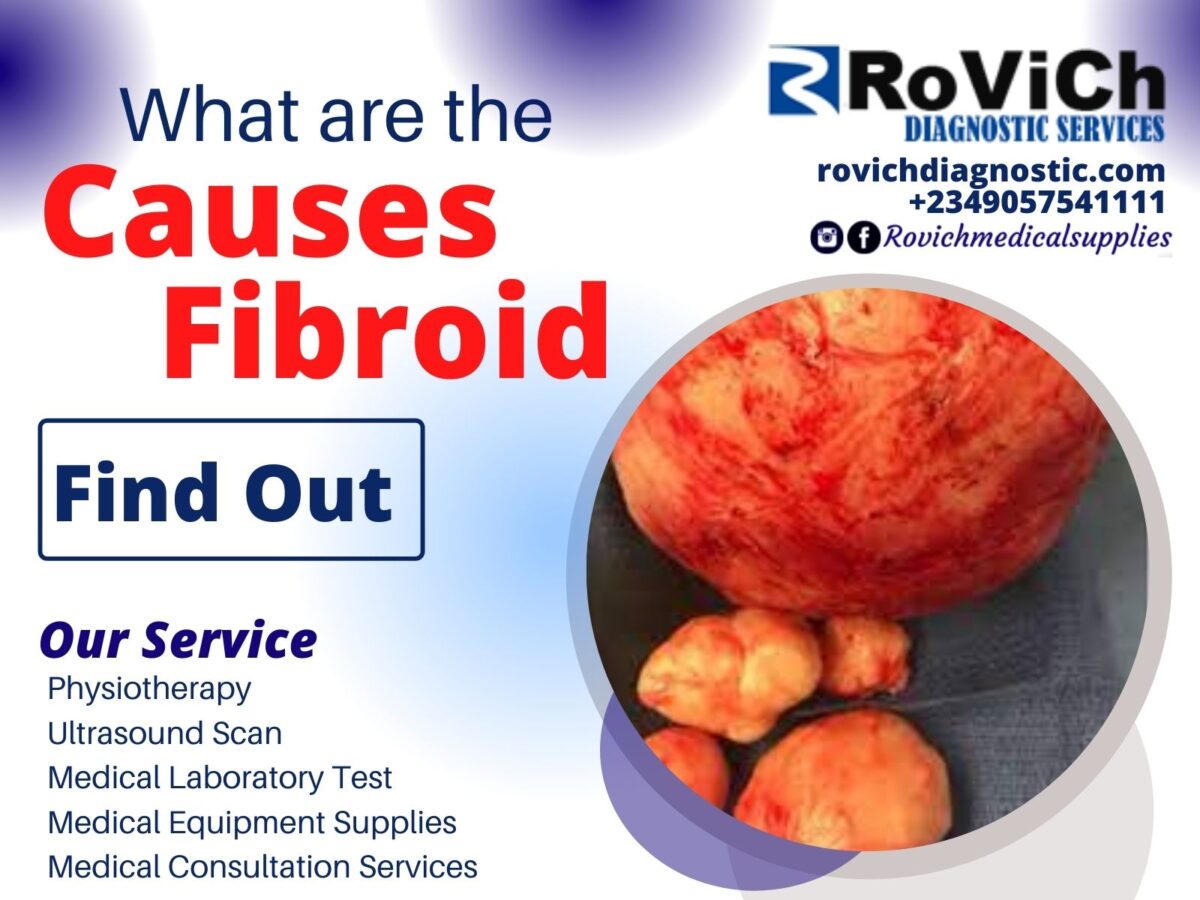
Causes of Fibroid

 INTRODUCTION

Quality eye clinic Quality medical supplies awka Best diagnostics services Awka Anambra state Best medical supplies

Fibroids are abnormal growths that develop in or on a woman’s uterus. Sometimes these tumors become quite large and cause severe abdominal pain and heavy periods. In other cases, they cause no signs or symptoms at all. The growths are typically benign, or non-cancerous. Uterine fibroids are benign lumps that grow on the uterus. Symptoms may include heavy periods, cramping, painful sex, and an urge to urinate. Treatment options include hysterectomy, embolization, and hormone therapy. If large enough, they may push on the bladder causing a frequent need to urinate. They may also cause pain during sex or lower back pain. A woman can have one uterine fibroid or many occasionally, fibroids may make it difficult to become pregnant, although this is uncommon.  The exact cause of uterine fibroids is unclear. However, fibroids run in families and appear to be partly determined by hormone levels. Risk factors include obesity and eating red meat. Diagnosis can be performed by pelvic examination or medical imaging. Treatment is typically not needed if there are no symptoms. NSAIDs, such as ibuprofen, may help with pain and bleeding while paracetamol (acetaminophen) may help with the pain. Iron supplements may be needed in those with heavy periods. Medications of the gonadotropin-releasing hormone agonist class may decrease the size of the fibroids but are expensive and associated with side effects. If greater symptoms are present, surgery to remove the fibroid or uterus may help. Uterine artery embolization may also help. Cancerous versions of fibroids are very rare and are known as leiomyosarcomas. They do not appear to develop from benign fibroids.

About 20% to 80% of women develop fibroids by the age of 50. In 2013, it was estimated that 171 million women were affected worldwide. They are typically found during the middle and later reproductive years. After menopause, they usually decrease in size. In the United States, uterine fibroids are a common reason for surgical removal of the uterus.

    causes of fibroid                                                      

Types of fibroids                                                                                       

The type of fibroid a woman develops depends on its location in or on the uterus.

Intramural fibroids                                                                                                                                                 

Intramural fibroids are the most common type of fibroid. These types appear within the muscular wall of the uterus. Intramural fibroids may grow larger and can stretch your womb.

 Subserosal fibroids                       

Subserosal fibroids form on the outside of your uterus, which is called the serosa. They may grow large enough to make your womb appear bigger on one side.

 Pedunculated:  subserosal tumors can develop a stem, a slender base that supports the tumor. When they do, they’re known as pedunculated fibroids.

Sub mucosal:  types of tumors that develop in the middle muscle layer, or myometrium, of your uterus. Sub mucosal tumors aren’t as common as the other types

causes of fibroid

 Causes of Fibroid                                                                                         

It’s unclear and unknown why fibroids develop, but several factors may influence their formation such as written below.

Hormones                                                                                                                               

Estrogen and progesterone are the hormones produced by the ovaries. They cause the uterine lining to regenerate during each menstrual cycle and may stimulate the growth of fibroids.

causes of fibroid 

Family history                                                                                                                                                   

Fibroids may run in the family. If your mother, sister, or grandmother has a history of this condition, you may develop it as well. Pregnancy increases the production of estrogen and progesterone in your body. Fibroids may develop and grow rapidly while you’re pregnant.

Treatment of fibroid                                                                                                                                       

Your doctor will develop a treatment plan based on your age, the size of your fibroids, and your overall health. You may receive a combination of treatments. Certain home remedies and natural treatments can have a positive effect on fibroids, including acupuncture, yoga massage, applying heat for cramps (avoid heat if you experience heavy bleeding)

ALTERNATELY:  Dietary changes can help as well. Avoid meats and high-calorie foods. Instead, opt for foods high in flavonoids, green vegetables, green tea, and cold-water fish such as tuna or salmon. Managing your stress levels and losing weight if you’re overweight can also benefit women with fibroids.

Medications to regulate your hormone levels may be prescribed to shrink fibroids. Gonadotropin-releasing hormone (GnRH) agonists, such as leuprolide (Lupron), will cause your estrogen and progesterone levels to drop. This will eventually stop menstruation and shrink fibroid. GnRH antagonists also help to shrink fibroids. They work by stopping your body from producing follicle-stimulating hormone (FSH) and luteinizing hormone (LH). Examples include:

  • ganirelix acetate, an injectable drugs
  • cetrorelix acetate (Carotids), an injectable drug
  • Elagolix, which is present in the oral drug elagolix/estradiol/norethindrone acetate (Oriahnn). Other options that can help control bleeding and pain, but won’t shrink or eliminate fibroids, include:
  • an intrauterine device (IUD) that releases the hormone progestin
  • Over-the-counter (OTC) anti-inflammatory pain relievers, such as ibuprofen (Advil)

Surgery: Surgery to remove very large or multiple growths may be performed. This is known as a myomectomy. An abdominal myomectomy involves making a large incision in the abdomen to access the uterus and remove the fibroids. The surgery can also be performed laparoscopically, using a few small incisions into which surgical tools and a camera are inserted. Fibroids might grow back after surgery. If your condition worsens, or if no other treatments work, your physician may perform a hysterectomy. However, this means that you won’t be able to bear children in the future.

best diagnostic centres in abuja

Frequently ask question on Causes of Fibroid                                                                                                                 

 Who is at risk of fibroids?:                                                                                                                                

Women are at greater risk for developing fibroids if they have one or more of the following risk factors:

  • Pregnancy
  • a family history
  • Age of 30 or older
  • African-American
  • a high body weight What are the symptoms of fibroids?

Your symptoms will depend on the number of tumors you have as well as their location and size. For instance, sub mucosal fibroids may cause heavy menstrual bleeding and trouble conceiving. If your tumor is very small or you’re going through menopause, you may not have any symptoms. Fibroids may shrink during and after menopause. This is because women undergoing menopause are experiencing a drop in their levels of estrogen and progesterone, hormones that stimulate fibroid growth.

 Symptoms of Causes of Fibroid may include:

Heavy bleeding between or during your periods that includes

  • Blood cloth
  • Pain in the pelvis or lower back
  • Increased menstrual cramping
  • Increased urination
  • Pain during intercourse
  • Menstruation that lasts longer than usual
  • Pressure or fullness in your lower abdomen
  • Swelling or enlargement of the abdomen


Conclusion                                                                                           

Uterine fibroid is a common concern in women at fertile age causing multiple bleeding and pain symptoms which can have a negative impact on different aspects of women’s life. Therefore early detection and early treatment through neither surgery nor medication remain the paramount treatment for fibroid.

Hope this was helpful, for more information on Causes of Fibroid and how to deal with them contact Rovich Diagnostics services

How to reduce high blood pressure


Rovich medical Services is a top diagnostic centre that provides world class medical services


Social networks


Facebook

www.facebook.com


Twitter

#WeCare


Instagram

www.instagram.com


Emergency number


0905 754 1111


Call us now if you are in a emergency laboratory need, we will reply swiftly and provide you with an aid


Copyright by Rovich Medical Services. All rights reserved.