
Blog

Completely synergize resource taxing relationships via premier niche markets. Professionally cultivate one-to-one customer service with robust ideas.
50-1200x675.jpg
27/Sep/2022

Best Diagnosis for Pregnancy

Introduction

Thyroid illness damages the gland. The butterfly-shaped thyroid generates thyroid hormones. Thyroid hormones influence how your body utilizes energy, affecting virtually every organ, including your heart.

The thyroid produces too much or too little hormones. Hyperthyroidism causes several physiological functions to speed up. Hyperthyroidism is “hyper.” Hyperthyroidism in pregnancy. Hypothyroidism causes several physiological functions to slow down. “Hypo” means hypothyroid. Learn about pregnancy-related hypothyroidism.

If you have thyroid difficulties, you can still have a safe pregnancy and preserve your baby’s health by getting regular thyroid function testing and taking prescribed medications.

Thyroid hormones with pregnancy.

Thyroid hormones are essential for baby’s brain and nervous system development. During the first trimester, your baby depends on placental thyroid hormone. Your baby’s thyroid starts working at 12 weeks, but it doesn’t create enough hormone until 18 to 20 weeks.

HCG and estrogen raise blood thyroid hormone levels during pregnancy. Healthy pregnant women’s thyroids grow somewhat, but not enough to be felt during a physical.

Due to elevated thyroid hormone levels and other symptoms, thyroid issues might be challenging to identify during pregnancy. Some hyperthyroidism or hypothyroidism symptoms are easy to identify and may prompt a doctor’s test.

Postpartum thyroiditis is another form of thyroid illness.

Pregnancy hyperthyroidism
Pregnancy hyperthyroidism symptoms?
Some hyperthyroidism symptoms, such a higher heart rate, heat sensitivity, and fatigue, occur in normal pregnancies.

Other hyperthyroidism symptoms:

erratic heartbeat
handshaking
weight loss or pregnancy problems Obesity
Pregnancy hyperthyroidism causes?
Graves’ illness causes 1 to 4 of every 1,000 births in the U.S.

Graves’ disease is autoimmune. In this illness, antibodies cause the thyroid to produce too much thyroid hormone. TSI is this antibody.

Pregnancy can trigger Graves’ illness. In the second and third trimesters, Graves’ disease symptoms may improve. Later in pregnancy, some immune system elements are less active, hence TSI is lower. Symptoms may improve. Graves’ disease generally worsens when a baby is born because TSI levels rise. If you have Graves’ disease, your doctor may need to treat your hyperthyroidism and test your thyroid function regularly throughout pregnancy. 1 High thyroid hormone can damage you and your kid. Hyperthyroidism in pregnancy can cause severe nausea and vomiting, leading to weight loss and dehydration. Experts say early pregnancy HCG causes extreme nausea and vomiting. High HCG levels can induce hyperthyroidism. This sort of hyperthyroidism normally disappears during pregnancy’s second half.

Sometimes thyroid nodules generate too much thyroid hormone.

Hyperthyroidism affects mom and baby. Untreated

pregnancy hyperthyroidism can

  • miscarriage
  • prematurity
  • underweight

Preeclampsia is a hazardous increase in blood pressure during late pregnancy.
cardiomyopathy

Graves’ illness can cause a baby’s thyroid to produce too much thyroid hormone. Even if radioactive iodine or surgery healed your hyperthyroidism, your body still generates the TSI antibodies. TSI can enter your baby’s system if this antibody is strong. TSI may cause your baby’s thyroid to overproduce thyroid hormone, just like it did for you.

If you’ve undergone Graves’ disease surgery or radioactive iodine therapy, tell your doctor to check your TSI levels. Your doctor will check your kid for thyroid-related disorders if they are high.

A newborn’s hyperactive thyroid can cause

rapid heart rate can cause heart failure.
Early skull closure
irritation, low weight gain
An enlarged thyroid might push on your baby’s windpipe, making breathing difficult. Graves’ disease patients and newborns should be properly monitored.

Doctors detect pregnant hyperthyroidism.

Your doctor will assess your symptoms and measure your thyroid hormone levels. Your doctor may also check your blood for antibodies to diagnose Graves’ illness. Discover the meaning of thyroid testing.

Pregnancy hyperthyroidism treatment.

Mild hyperthyroidism during pregnancy seldom requires medication. Linked hyperthyroidism only requires treatment for vomiting and dehydration.

Your doctor may give antithyroid medications if your hyperthyroidism is severe. This therapy stops your kid from obtaining too much thyroid hormone. An endocrinologist or maternal-fetal medicine expert can monitor your baby to ensure you’re getting the proper amount.

During the first 3 months of pregnancy, doctors usually prescribe propylthiouracil (PTU). Methimazole is easy to administer and has fewer adverse effects than PTU but might cause birth abnormalities. Both medicines seldom cause birth abnormalities. After the first trimester, physicians move to methimazole. Third-trimester women no longer need antithyroid medication.

Antithyroid medication lowers the baby’s thyroid hormone production. Your doctor will give the lowest amount of antithyroid medication to avoid hypothyroidism in your baby but enough to manage elevated thyroid hormone levels.

Antithyroid drugs might induce negative effects such

Rarely, a reduction in white blood cells in the body, which might make it difficult to fight illness.
Rarely, liver failure
Stop using antithyroid drugs if you experience any of these symptoms:

Jaundice is skin or eye yellowing.
stomachache
throat pain fever
If your doctor doesn’t respond, go to the ER.

If any of these symptoms emerge while using antithyroid medications, consult your doctor.

increased fatigue/weakness
appetite loss rash/itching easily bruising
If you’re allergic to antithyroid drugs or have significant adverse effects, your doctor may recommend thyroid surgery. Second trimester thyroid surgery is optimal.

Radioactive iodine therapy during pregnancy might harm the baby’s thyroid gland.

Pregnancy hypothyroidism

Pregnancy hypothyroidism symptoms?

Pregnant women have similar hypothyroidism symptoms as others. Symptoms:

Extreme fatigue, chilly cramps
Constipation affects memory and focus

Conclusion

We have been able to deduce that thyroid illness damages the gland. The butterfly-shaped thyroid generates thyroid hormones. Thyroid hormones influence how your body utilizes energy, affecting virtually every organ, including your heart. If you have any questions or concerns about what is written here please comment in the discussion below. contact us Rovich Diagnostic Services for consultancy.

Hope this was helpful on the topic “Best Diagnosis for Pregnancy


49-1200x675.jpg
27/Sep/2022

Introduction

When researchers directly examined four medicines routinely used to treat type 2 diabetes, they found that insulin glargine and liraglutide performed the best at keeping blood glucose levels within the prescribed range. Treatment of high blood sugar is essential for maintaining good health in patients with type 2 diabetes. Metformin is the first-line therapy for treating type 2 diabetes, and all four of the drugs we looked at were used in conjunction with it. Research for this study was supported by the NIDDK of the National Institutes of Health.

About 90–95% of the more than 37 million Americans who are diabetic are also affected by type 2 diabetes. Complications of diabetes, such as nerve, kidney, and eye disorders, are substantially less common in people with diabetes whose blood glucose levels are kept in the near-normal range. In order to maintain stable blood sugar levels over time, most persons with type 2 diabetes need to take more than one medication.

The medical community is in agreement that metformin with diet and exercise is the best initial strategy for treating diabetes, but they can’t agree on how to effectively manage high blood glucose levels after that.

The 36 U.S. research sites participated in the 2013 Glycemia Reduction Approaches in Diabetes: A Comparative Effectiveness (GRADE) Study(link is external). In addition to metformin, the GRADE study compared four other significant drugs that had recently been authorized by the FDA for the treatment of diabetes. New England Journal of Medicine published two studies with significant findings (link is external).

Dr. Henry Burch, NIDDK’s project scientist for GRADE, explains that the study’s goal was to help doctors better treat patients with type 2 diabetes over the long term. Patients’ glucose levels, drug tolerance, and other factors will be taken into account when making treatment decisions; this is a major advance toward precision medicine in diabetes care.

Five thousand and forty-seven persons of various racial and ethnic backgrounds were included in the research because they had type 2 diabetes and were taking metformin. Patients were assigned to one of four different therapy groups at random. Metformin was combined with either sitagliptin, liraglutide, or glimepiride, all of which raised insulin levels, in three different groups. Long-acting insulin glargine U-100 was combined with metformin for the fourth group.


Metformin plus liraglutide or insulin glargine was associated with longer durations of target blood level achievement and maintenance than sitagliptin or glimepiride, according to this study’s findings after an average of four years of follow-up. When compared to sitagliptin, the least effective medication in maintaining goal levels, this amounted to around six months extra time with blood glucose levels in the target range. There were no differences in treatment outcomes by age, gender, race, or ethnicity.


The problem is that none of the permutations significantly outperformed the others. The difficulty in sustaining suggested objectives in many patients with type 2 diabetes is shown by the fact that, despite a drop in average blood sugar levels during the trial, approximately three quarters of all participants were unable to maintain the blood glucose target over four years.

“GRADE effectively indicates which medicines worked best at attaining and sustaining blood glucose objectives over time,” said Dr. David M. Nathan, head of the Massachusetts General Hospital Diabetes Center in Boston, and chair of the GRADE Study. To help persons with type 2 diabetes achieve long-term glucose control, “we still have more work to perform,” such as assessing various strategies and therapy combinations.

The results of the therapies were also compared to the risk of acquiring cardiovascular disease in those with diabetes. As compared to the other groups, those in the liraglutide group had the lowest incidence of cardiovascular disease.

Drug adverse effects were also investigated in the study, which found:

Even while cases of severe hypoglycemia (also known as a low blood glucose response) were infrequent overall, they were more common among those given glimepiride (2.2%).

Liraglutide was associated with a higher incidence of gastrointestinal side effects compared to the other three treatment arms.

And across the board, people lost weight. People in the liraglutide and sitagliptin arms dropped an extra 7 and 4 pounds, respectively, over the course of four years, compared to those in the glargine and glimepiride arms (less than 2 pounds).


“With various treatment choices available for type 2 diabetes, healthcare practitioners and patients often find it challenging to identify which medicine is appropriate for individual person,” stated NIDDK Director Dr. Griffin P. Rodgers. The National Institute of Diabetes and Digestive and Kidney Diseases (NIDDK) is in a prime position to fund comparative effectiveness trials like GRADE, which will aid healthcare providers in providing evidence-based recommendations that improve the health of their patients and all people living with type 2 diabetes.

At the time of the study’s start, the FDA had not authorized SGLT2 inhibitors, a class of diabetic medication that is currently on the market.

The National Institute of Diabetes and Digestive and Kidney Diseases (NIDDK) funded the GRADE Study (U01DK098246). The American Diabetes Association, the Centers for Disease Control and Prevention, the National Heart, Lung, and Blood Institute, and the National Center for Advancing Translational Sciences also provided funding. Resources and space were made available by the VA. Becton, Dickinson and Company, Bristol-Myers Squibb, Merck & Co., Inc., Novo Nordisk, Roche Diagnostics, and Sanofi have all contributed material assistance in the form of donated pharmaceuticals and supplies. This study is registered as NCT01794143 with ClinicalTrials.gov.

The NIH’s National Institute of Diabetes and Digestive and Kidney Diseases funds and oversees fundamental and clinical research on some of the most prevalent, life-altering, and devastating diseases afflicting Americans. Research at the Institute focuses on a wide range of topics, including diabetes and other endocrine and metabolic illnesses; digestive diseases; nutrition and obesity; and renal, urologic, and hematologic disorders.

Conclusion

We have been able to deduce that when researchers directly examined four medicines routinely used to treat type 2 diabetes, they found that insulin glargine and liraglutide performed the best at keeping blood glucose levels within the prescribed range. If you have any questions or concerns about what is written here please comment in the discussion below. contact us Rovich Diagnostic Services for consultancy.

Hope this was helpful on the topic “Top Diagnosis for diabetes ”


51-1200x675.jpg
27/Sep/2022

Best Diagnosis for hepatitis C

Introduction

Hepatitis C causes liver damage and inflammation. Inflamed tissues enlarge when wounded or diseased. Inflammation hurts organs.

Viruses infect bodily cells. Viruses produce contagious illnesses. Hepatitis C spreads through blood contact.

Hepatitis C is acute or chronic.

You can protect yourself against hepatitis C without a vaccination. Consult your doctor about hepatitis C therapy. Most hepatitis C cases are curable.

Acute Hepatitis C

Short-term hepatitis C is acute. Symptoms persist 6 months. Your body can sometimes fight against the virus.

Chronic Hepatitis C

Long-lasting hepatitis C infection. When your body can’t fight off the infection, you have chronic hepatitis C. 75% to 85% of those with acute hepatitis C will get chronic.

Early diagnosis and treatment can avoid liver damage. Chronic hepatitis C can develop chronic liver disease, cirrhosis, liver failure, or liver cancer.

Hepatitis C prevalence in the U.S.

Hepatitis C is the most prevalent chronic blood-borne virus in the U.S 2.7 to 3.9 million Americans have chronic hepatitis C, according to researchers. Many persons with hepatitis C don’t exhibit symptoms.  Since 2006, more persons under 30 who inject heroin or prescription opioids have hepatitis C.

New screenings and more effective hepatitis C medications let physicians find and cure more patients. Hepatitis C may become less frequent with improved screening and treatment. By 2036, hepatitis C might be infrequent in the U.S. 17

Who gets hepatitis C more?

  • Those who have
  • drug-inject
  • had transfusion or transplant before July 1992
  • got clotting factor before 1987
  • dialyzed
  • work with blood or needles
  • tattoos/piercings
  • prison workers
  • hepatitis C-infected mother
  • HIV-positive
  • having had more than one sex partner in the previous 6 months or have an STD
  • sex with guys
  • Injecting narcotics is the leading cause of hepatitis C in the U.S.

Is hepatitis C testing necessary?

All people 18 to 79 should have a one-time hepatitis C test. Screening is illness testing in symptom-free persons. Blood tests detect hepatitis C. Many persons with hepatitis C don’t exhibit symptoms. Screening tests can detect and cure hepatitis C before it causes major issues.

Hepatitis C complications

Hepatitis C can cause cirrhosis, liver failure, and malignancy. Early hepatitis C diagnosis and treatment can avert problems.

Cirrhosis

Cirrhosis causes the liver to deteriorate and become dysfunctional. Scar tissue replaces liver tissue and inhibits blood flow. The liver continues to function in early cirrhosis. Worsening cirrhosis causes liver failure. Liver failure advances over months, years, or decades. End-stage liver disease prevents the liver from performing vital activities or replacing damaged cells.

Chronic Hepatitis C

Chronic hepatitis C causes liver cancer. Chronic hepatitis C that produces significant liver damage or cirrhosis before therapy increases the risk of liver cancer. Your doctor may recommend blood tests and an ultrasound to screen for liver cancer. Early cancer detection boosts cure rates.

Hepatitis C symptoms

Hepatitis C seldom causes symptoms. Acute hepatitis C symptoms may appear 1 to 3 months after exposure. This includes:

  • Yellow pee
  • weary
  • fever
  • Stools gray or clay
  • ache
  • hunger
  • nausea
  • stomachache
  • vomiting
  • Jaundice is yellow eyes and skin.

Chronic hepatitis C usually causes no symptoms until problems arise, decades after infection. Even without symptoms, hepatitis C screening is necessary.

Hepatitis C causes?

  • Virus causes hepatitis C. Hepatitis C spreads through blood contact. Through
  • Sharing needles with an infected individual
  • inadvertent stick with contaminated needle
  • getting tattooed or pierced with non-sterile instruments or inks used on a sick individual before you.
  • contaminated blood or open sores
  • Infected razor, toothbrush, or nail clippers
  • having a hepatitis C-positive mother
  • unprotected sex with a carrier
  • Hepatitis C isn’t contagious.
  • infected coughs or sneezes
  • Food or water
  • a sick embrace
  • Holding or shaking an infected person’s hand
  • Sharing utensils
  • a sick person’s neighbor
  • Breast milk doesn’t transmit hepatitis C.

Examine the causes hepatitis C by a Doctor?

Medical history, a physical exam, and blood testing help doctors identify hepatitis C. Your doctor may do liver testing if you have hepatitis C.

HISTORY

Your doctor will inquire about your symptoms and blood transfusion or injection history.

Checkup

Your doctor will check for liver damage during a physical checkup.

  • Color changes
  • Leg, foot, or ankle swelling
  • abdominal pain/swelling

How are hepatitis C tests performed?

Blood tests detect hepatitis C. Your doctor may request further tests to check for liver damage or rule out other causes of liver disease.

Diagnostics

For hepatitis C, your doctor may perform blood testing. A doctor will draw blood and send it to a lab.

Hepatitis C testing include:

  • Hepatitis C screening test. Blood tests can detect hepatitis C antibodies. A positive hepatitis C antibody test indicates exposure. If your body fought off the illness or you got treatment, the virus may no longer be in your blood.
  • RNA HepC assay. If your antibody test is positive, your doctor will do a hepatitis C RNA test to identify viral RNA. The hepatitis C RNA test may detect the virus’s presence and level in your blood. This helps your doctor treat the illness. Your doctor may prescribe this test to evaluate if the amount of virus in your blood is changing throughout therapy.
  • Genotyping. This test can determine the strain of hepatitis C you have. Six hepatitis C genotypes exist. In the U.S., genotype 1 is most frequent. 1 Your hepatitis C genotype will determine therapy.

Conclusion

We have been able to deduce that Hepatitis C causes liver damage and inflammation. Inflamed tissues enlarge when wounded or diseased. Inflammation hurts organs. If you have any questions or concerns about what is written here please comment in the discussion below. contact us Rovich Diagnostic Services for consultancy.

Hope this was helpful on the topic “Best Diagnosis for hepatitis C ”


What-is-Doppler-Ultrasound-1200x675.jpg
25/Sep/2022

What is Doppler Ultrasound

Introduction

The definition of the Doppler ultrasound.

When sound waves are sent through a patient’s body, a Doppler ultrasonography can display the flow of blood inside a patient’s arteries. Even while it, too, employs sound waves to produce pictures of inside structures, a standard ultrasound cannot display blood flow.

Doppler ultrasound detects the speed of moving items, such red blood cells, by analyzing the echoes of ultrasound waves returned by those objects. Doppler effect describes this phenomenon.

Doppler ultrasounds can be used for a variety of diagnostic purposes. Those things are:

  • Doppler ultrasound with color imaging. This Doppler technique employs the usage of a computer to convert sound waves into visible light. These hues represent the rate and course of actual blood flow.
  • This new color Doppler technology is called “Power Doppler.” It’s able to offer more information about blood flow than regular color Doppler. On the other hand, it is unable to reveal the direction of blood flow, which might be vital in some scenarios.
  • Infrared Doppler spectroscopy. A graph rather than colorful images is used to display data on blood flow in this test. It can be used to demonstrate the degree of obstruction in a blood artery.
  • Doppler frequency and time domain imaging using duplex probes. Ultrasound imaging techniques now in use for this examination are the industry standard. The photos are processed in a computer and converted into a graph, much like spectral Doppler.
  • Doppler frequency analysis of continuously-generated waves. Transmission and reception of sound waves occur in real time during the duration of the test. This technology enables more precise measurement of higher-velocity blood flows.


Doppler ultrasonography is a synonym.

To what end does it serve?

Medical professionals can utilize Doppler ultrasonography examinations to determine if your blood flow is restricted or blocked by a variety of conditions. It has potential for application in the analysis of cardiac conditions. Common applications of the test include:

  • Check your heart’s health. Electrocardiograms, which measure the heart’s electrical impulses, are commonly performed alongside it.
  • Check for blood flow obstructions. Deep vein thrombosis is a disorder caused by obstructed blood flow in the legs (DVT).
  • Check for cardiac abnormalities and damage to the heart’s blood vessels.
  • Examine your blood vessels for any signs of constriction. Peripheral arterial disease is characterized by narrowed arteries in the arms and legs (PAD). Carotid artery stenosis is characterized by the narrowing of the carotid arteries, located in the neck.
  • Keep an eye on the patient’s blood pressure and heart rate following surgery.
  • Both the mother and her unborn child need to have their blood pressure checked regularly throughout pregnancy.

Is a Doppler ultrasound really necessary?

If you have signs of poor blood flow or cardiac disease, a Doppler ultrasonography may be recommended. Depending on the underlying cause, symptoms may seem differently. This section discusses certain disorders associated with blood flow and the symptoms that typically accompany them.

Some of the signs and symptoms of peripheral artery disease (PAD) are:

  • Leg tingling, numbness, or weakness
  • Muscle spasms that make walking or climbing stairs unbearable pain
  • Experiencing chills down your thighs and feet
  • Your leg has developed a strange luster and/or new coloration.


Some of the warning signs of cardiac trouble are:

  • Weakness in the ability to take a deep breath
  • discomfort from swelling in the lower extremities and/or the stomach
  • Fatigue
  • Doppler ultrasounds are often recommended if you:


I’ve recently had a stroke. Transcranial Doppler is a type of Doppler test used to evaluate blood flow to the brain and is sometimes ordered by doctors after a stroke patient has had symptoms.

You sustained a blood vessel damage.

Have a condition that necessitates treatment for improved blood flow.

suspect you or your unborn child may have an issue with blood flow, and your healthcare practitioner agrees. If your unborn child is smaller than usual at this point of pregnancy, or if you have any of a number of other health issues, your provider may suspect a problem. Preeclampsia, a kind of high blood pressure that mostly affects pregnant women, and sickle cell disease are two examples.

How does a Doppler ultrasound work?

The following procedures are typical for a Doppler ultrasound:

  • In order to do the test, you will need to lie on a table with the targeted body part exposed.
  • A medical professional will apply a specific gel on the skin there.
  • A wand-like instrument called a transducer will be moved over the region while the clinician makes diagnoses.
  • This gadget uses sound waves to penetrate your body.
  • Modifications to the frequency of sound are produced by the circulation of blood. During the operation, you could hear swishing or what sounds like a heartbeat.
  • A monitor displays recorded pictures or graphs of the waves.
  • The provider will remove the gel from your body when the test is complete.
  • The duration of the exam is between 30 and 60 minutes.

What kind of study is required for this exam?

One may need to do the following in advance of a Doppler ultrasound:

  • Taking off any jewelry or clothes that may cover a test region is a good idea.
  • For up to two hours before your test, stay away from cigarettes and other sources of nicotine. Results may be impacted by nicotine’s constrictive effect on blood vessels.
  • In order to get the most accurate results from some varieties of Doppler testing, patients are sometimes instructed to abstain from eating and drinking for a set period of time beforehand.
  • If there is anything you can do to improve your test results, your doctor will let you know.

Could there be any negative effects from this experiment?

Doppler ultrasounds have been found to be completely safe. Also, it’s safe to use when pregnant.

Why are these findings significant?

A deviation from the norm might indicate that you have:

  • Clot or obstruction in an artery
  • arteries and veins that have narrowed
  • Deficiency in normal blood flow
  • A balloon-like dilation of the artery walls called an aneurysm. Excessive stretching and thinness of the arteries are the result. Too much thinness in the wall can lead to a ruptured artery, which can lead to potentially fatal hemorrhage.
  • Abnormal blood flow to the fetus could also be revealed.

Which part of the body was examined determines the significance of your findings. Consult your Rovich diagnostics services if you have concerns about your test findings.

Conclusion

We have been able to deduce that Doppler ultrasonography can display the flow of blood inside a patient’s arteries. Even while it, too, employs sound waves to produce pictures of inside structures, a standard ultrasound cannot display blood flow.. If you have any questions or concerns about what is written here please comment in the discussion below. contact us Rovich Diagnostic Services for consultancy.

Hope this was helpful on the topic “What is Doppler Ultrasound


Best-Complete-Blood-Count-1200x675.jpg
25/Sep/2022

Best Complete Blood Count

Introduction

A complete blood count, sometimes known as a CBC, is a type of blood test that evaluates a number of aspects and components of your blood, such as the following:

  • Red blood cells are responsible for transporting oxygen throughout the body from the lungs to the rest of the body.
  • White blood cells are responsible for the body’s ability to fight off infections and other disorders. White blood cells may be broken down into five distinct categories. A complete blood count (CBC) is a blood test that examines the total amount of white blood cells in your blood. A separate test, known as a CBC with differential, counts how many of each variety of these white blood cells are present in the blood.
  • Platelets are responsible for preventing bleeding by assisting in the clotting of blood.
  • Hemoglobin is a protein that is found in red blood cells and is responsible for transporting oxygen from the lungs to the rest of the body.
  • Hematocrit is a measurement that determines the percentage of red blood cells that are present in your blood.
  • The mean corpuscular volume, often known as MCV, is a measurement that determines the typical size of red blood cells.

There are a few other names for a complete blood count, including CBC, full blood count, and blood cell count.

For what purpose is it being used?

A standard checkup will often include a complete blood count as one of the blood tests that are performed. Blood tests called complete blood counts are useful for diagnosing a wide range of conditions, such as infections, anemia, illnesses affecting the immune system, and blood malignancies.

Why is a full blood count necessary for me?

A complete blood count was probably prescribed for you as part of your checkup or to monitor your general health by the medical professional who is caring for you. In addition, the examination might be utilized to:

  • Contribute to the diagnosis of blood illnesses, infections, problems of the immune system, and other medical conditions
  • Check for any changes in a blood condition that already exists.

What exactly takes place throughout a whole blood count?

A blood sample will be drawn from one of the veins in your arm by a qualified medical expert using a very thin needle. After inserting the needle, a sample of the patient’s blood will be drawn into a test tube or a vial for further analysis. When the needle is inserted or removed, you can feel a mild pricking sensation. In most cases, you won’t need more than five minutes for this.

Will there be anything specific that I need to do in order to get ready for the test?

A full blood count does not often require any kind of extra preparation on the patient’s part. However, if your healthcare professional orders further tests to be performed on the blood sample you provided, you may be required to fast (do not consume any food or liquids) for several hours prior to the test. If there are any specific instructions that you need to follow, your provider will communicate those to you.

Does the exam pose any potential dangers?

The danger involved in getting your blood checked is quite low. You could have some discomfort or bruising at the site where the needle was inserted, but for the most part, the symptoms fade away rather fast.

What can we infer from these results?

The number of cells in your blood is tallied by a CBC. There is a wide variety of potential causes for why your levels are outside of the usual range. Take, for instance:

Anemia, coronary heart disease, or an iron deficiency might be the cause of abnormally low red blood cell counts, hemoglobin levels, or hematocrit percentages in the blood.

A low white cell count might be an indication that the patient has cancer, an autoimmune disease, or a condition of the bone marrow.

A high white cell count can be an indicator of an illness or a response to the medication that you’re taking.

It is not always the case that having any of your levels in the abnormal range indicates that you have a medical issue that requires treatment. Diet, amount of activity, medications, menstrual cycle, not drinking enough water, and other variables might all have an impact on the findings. Have a conversation with your healthcare practitioner to find out what your test findings signify.

Acquire a deeper grasp of laboratory testing, reference ranges, and the interpretation of data.

Is there anything else concerning a full blood count that you think I ought to be aware of?

Your health care practitioner will utilize a variety of diagnostic tools to get insight into your health, one of which is a complete blood count. When making a diagnosis, your healthcare professional will take into account your medical history, symptoms, and any other relevant circumstances. You could also require some extra diagnostic procedures.

Conclusion

We have been able to deduce that CBC, is a type of blood test that evaluates a number of aspects and components of your blood. And also, complete blood count was probably prescribed for you as part of your checkup or to monitor your general health by the medical professional who is caring for you If you have any questions or concerns about what is written here please comment in the discussion below. contact us Rovich Diagnostic Services for consultancy.

Hope this was helpful on the topic “Complete Blood Count Centre


Medications-to-Treat-Overweight-Obesity-1200x675.jpg
22/Sep/2022

Introduction

The Body Mass Index (BMI), which is a measurement of one’s weight in relation to one’s height, is what medical experts use to determine overweight and obesity in patients.

Individuals who have a body mass index (BMI) that falls between the ranges of 25 and 30 are regarded to be overweight. Obesity is described as having a body mass index (BMI) of 30 or above. You may determine if you are overweight, have obesity, or have severe obesity by calculating your body mass index (BMI), which may raise your risk of developing a variety of health issues. Your doctor or other medical expert can determine the unique danger that is posed by your weight.

If you are having trouble managing your weight, adopting a healthy eating plan and engaging in regular physical exercise may be able to assist you in shedding excess pounds and ensuring that the weight stays off in the long run. If making these adjustments to your lifestyle is not enough to assist you in losing weight or keeping the weight off, your health care provider may prescribe drugs as an additional component of your program to control your weight.

How widespread are problems with overweight and obesity?

Obesity is a chronic condition that affects more than four out of ten individuals in the United States, and approximately one out of ten Americans are severely obese as a result of their obesity.

How do the drugs that are used for weight management work?

Medications available by prescription manage overweight and obesity in a variety of different methods. For instance, certain drugs could make you feel fuller or hungrier at different times. It’s possible that taking other drugs will make it more difficult for your body to absorb fat from the meals you eat.

Who is a candidate for the use of weight control medications?

Medication for weight control is intended to be helpful for those who have health problems that are connected to being overweight or obese. The Body Mass Index (BMI) is a measurement that is used by specialists in the health care industry to assist in determining whether or not you may benefit from taking medication to assist with weight control If you are an adult with overweight or obesity, the doctor who cares for you may recommend that you take a certain prescription to address your condition.

a body mass index of 30 or above

a body mass index (BMI) of 27 or above, in addition to having weight-related health concerns such as high blood pressure (NIH external link) or type 2 diabetes

There are certain people with high BMIs who should not use drugs for weight management. A lifestyle program that helps you make adjustments to your behaviors and improves your food and exercise routines might potentially help you lose weight if you are overweight or obese. This program will modify your eating habits and increase the amount of physical activity you do. A change in lifestyle may also address other aspects of your life that contribute to your weight gain, such as eating triggers and sleep deprivation, for example.

When it comes to weight loss, what are the advantages of utilizing prescription medications?

Prescription drugs, when paired with lifestyle modifications such as adopting a healthier diet and engaging in more physical exercise, have been shown to assist certain individuals in losing weight and keeping it off. Persons who use prescription drugs as part of a lifestyle program lose an average of three percent to twelve percent more of their beginning body weight after one year compared to people who participate in a lifestyle program but do not take medication.

According to research, some persons who use prescription drugs to manage their weight lose more than ten percent of their beginning weight. The effects are different depending on the individual and the medicine.

It’s possible that losing between 5 and 10 percent of your beginning body weight might assist improve your health by bringing your blood sugar, blood pressure, and lipid levels down. Joint discomfort and sleep apnea are two additional health issues that can be improved by losing weight in addition to those caused by being overweight or obese. The majority of weight reduction occurs during the first six months of taking the medicine after it has been initiated.

Advice on how to use medicine for weight control

  • Always be sure to follow the advice of your doctor or other medical practitioner while using any drugs for weight management.
  • You should purchase your medicine from a pharmacy or an internet distributor that has been authorized by your primary caregiver.
  • You should only use medicine for weight control in conjunction with a program of balanced food and regular exercise.
  • Before taking any drug, it is important to educate yourself about the potential risks and adverse effects.
  • If after 12 weeks of taking the prescribed medicine at the full dose you have not had any weight loss, you should discuss discontinuing use of the drug with your primary care physician.
  • When contemplating the use of weight management pills, it is important to discuss any other medications, including supplements and vitamins, that you are currently taking with a qualified medical expert.
  • Never use any kind of weight-loss medication while pregnant or if you are trying to get pregnant in the near future.

Conclusion

We have been able to deduce that the Body Mass Index (BMI), which is a measurement of one’s weight in relation to one’s height, is what medical experts use to determine overweight and obesity in patients. If you have any questions or concerns about what is written here please comment in the discussion below. contact us Rovich Diagnostic Services for consultancy.

Hope this was helpful on the topic “Medications to Treat Overweight & Obesity


What-are-Glomerular-Diseases-1200x675.jpg
22/Sep/2022

What are Glomerular Diseases

Introduction

Many diseases affect how well the kidneys work by attacking the glomeruli, which are small units in the kidneys that clean the blood. Glomerular diseases are a group of conditions that have many different genetic and environmental causes. They can be put into two main groups:

  • Glomerulonephritis is an inflammation of the kidney’s filtering membrane tissue, which separates waste and extra fluid from the blood.
  • Glomerulosclerosis means that the tiny blood vessels in the kidney have become scarred or hardened.

Even though they have different causes, glomerulonephritis and glomerulosclerosis can both lead to kidney failure.

What do the kidneys do, and what are they?

The kidneys are bean-shaped organs that are on either side of the spine, just below the rib cage. Every day, the two kidneys filter about 120 to 150 quarts of blood to make about 1 to 2 quarts of urine, which is made up of wastes and extra fluid.

Blood gets into the kidneys through arteries that split into tiny groups of blood vessels inside the kidneys. The Greek word for “filter” is where the word “glomerulus” comes from. The word’s plural form is glomeruli. In each kidney, there are about 1 million glomeruli, which act as filters. The glomerulus is attached to the end of a tubule, which is a small tube that collects fluid. The glomerulus filters the blood, and extra fluid and wastes go into the tubule, where they are turned into urine. Eventually, larger tubes called ureters carry urine from the kidneys to the bladder.

A nephron is a group of glomeruli and tubules. About a million nephrons make up each kidney. In healthy nephrons, the glomerular membrane that separates the blood vessel from the tubule lets waste and extra water into the tubule while keeping blood cells and protein in the bloodstream.

How do diseases of the glomeruli affect the way the kidneys work?

Glomerular diseases hurt the glomeruli, which lets protein and sometimes red blood cells leak into the urine. Sometimes, a glomerular disease also makes it hard for the kidney to get rid of waste, so it starts to build up in the blood. Also, when blood proteins like albumin are lost in the urine, their level in the bloodstream can drop. Albumin acts like a sponge in normal blood. It pulls extra fluid from the body into the bloodstream, where it stays until the kidneys get rid of it. But when albumin leaks into the urine, the blood loses its ability to take in extra fluid from the body. Fluid can build up outside of the circulatory system and cause swelling in the face, hands, feet, and ankles.

What are the signs of a disease in the glomeruli?

Some of the symptoms and signs of glomerular disease are:

  • Albuminuria is when the urine has a lot of protein in it.
  • Hematuria means there is blood in the urine.
  • Reduced glomerular filtration rate: the blood doesn’t get cleaned up as well.
  • Hypoproteinemia: low protein in the blood
  • Edema is when parts of the body swell up.

One or more of these signs can be the first sign that your kidneys aren’t working right. But how would you know if you have proteinuria, for example? You may not see a doctor before. But some of these symptoms show up in ways that can be seen:

  • Proteinuria may cause foamy urine.
  • Blood can make the urine pink or the color of coke.
  • Edema may be obvious in the hands and ankles, especially at the end of the day, or around the eyes when you wake up in the morning, for example.

How are glomerular diseases found?

Patients with glomerular disease have a lot of protein in their urine. If the levels are very high, this is called the “nephrotic range.” Red blood cells are also sometimes found in the urine, especially in some types of glomerular disease. By measuring the amount of protein and red blood cells in the urine, urinalysis can tell if the kidneys are damaged. Blood tests look at the levels of waste products like creatinine and urea nitrogen to see if the kidneys aren’t able to filter as well as they should. If these lab tests show damage to the kidneys, the doctor may suggest an ultrasound or an x-ray to see if the kidneys are the wrong shape or size. This kind of test is called a “renal image.” But since glomerular disease causes problems at the cellular level, the doctor will probably also suggest a kidney biopsy. In this procedure, a needle is used to remove small pieces of tissue that are then looked at under different types of microscopes, each of which shows a different part of the tissue. A biopsy could be used to confirm glomerular disease and find out what caused it.

Why does someone get glomerular disease?

glomerular disease can be caused by a number of different health problems. It could be caused by an infection, a drug that is bad for the kidneys, or a disease that affects the whole body, such as diabetes or lupus. Many different kinds of diseases can cause the nephron or glomerulus to swell or scar. Sometimes glomerular disease is idiopathic, which means that there doesn’t seem to be another disease that causes it.

The categories below can overlap. This means that a disease could fit into two or more of them. For example, diabetic nephropathy is a type of glomerular disease that can be put into two groups: systemic diseases, because diabetes is a systemic disease, and sclerotic diseases, because the damage to the kidneys causes scarring.

Autoimmune Diseases

When the immune system works right, it makes antibodies and immunoglobulins, which are protein-like substances that protect the body from organisms that try to get in. In an autoimmune disease, the immune system makes autoantibodies, which are antibodies or immunoglobulins that attack the body itself. Autoimmune diseases can be systemic, meaning they affect many parts of the body, or they can only affect certain organs or parts of the body.

Systemic lupus erythematosus (SLE) affects many parts of the body, mostly the skin and joints, but also the kidneys. Because SLE is more common in women than in men, some researchers think that a genetic factor linked to sex may make a person more likely to get it. However, a viral infection has also been linked to the disease. Lupus nephritis is the name for the kidney disease caused by SLE. It happens when autoantibodies form in the glomeruli or are deposited there, which causes inflammation. In the end, the inflammation may cause scars that make it hard for the kidneys to work right. Conventional treatment for lupus nephritis is a combination of two drugs: cyclophosphamide, a cytotoxic agent that suppresses the immune system, and prednisolone, a corticosteroid used to reduce inflammation. In place of cyclophosphamide, the immunosuppressant mycophenolate mofetil (MMF) has been used. Early studies show that MMF may be as effective as cyclophosphamide and have fewer side effects.

Anti-GBM disease, also called Goodpasture’s disease, is caused by an autoantibody that attacks the kidneys and lungs. People often find out they have the autoantibody for the first time when they cough up blood. But when someone has Goodpasture Syndrome, the damage to the lungs is usually not as bad as the damage to the kidneys, which happens over time and is permanent. Goodpasture Syndrome is a rare disease that mostly affects young men, but it can also affect women, children, and older people. Some treatments include drugs that weaken the immune system and a therapy called plasmapheresis that cleans the blood and gets rid of the autoantibodies.

IgA nephropathy is a disease of the glomeruli that happens when immunoglobulin A (IgA) builds up in the glomeruli and causes inflammation. IgA nephropathy wasn’t known to cause glomerular disease until the late 1960s, when sophisticated biopsy techniques were made that could find IgA deposits in kidney tissue.

Blood in the urine is the most common sign of IgA nephropathy, but it is often a silent disease that may not be found for many years. Because IgA nephropathy is silent in its early stages, it is hard to know how many people have it. The only way to find it is through specific medical tests. It is thought that this disease is the most common cause of primary glomerulonephritis, which is a disease of the glomeruli that is not caused by a systemic disease like lupus or diabetes. Men seem to be affected by it more than women. IgA nephropathy can affect people of all ages, but young people with it rarely show signs of kidney failure. This is because the disease usually takes a few years to get to the point where it causes problems that can be seen.

For early or mild cases of IgA nephropathy in people with normal blood pressure and less than 1 gram of protein in their urine every 24 hours, no treatment is recommended. When protein is lost at a rate of more than 1 gram per day, treatment is meant to protect kidney function by lowering protein loss and keeping blood pressure in check. Angiotensin-converting enzyme inhibitors (ACEi) or angiotensin receptor blockers (ARBs), which block a hormone called angiotensin, are the best way to do both of these things at the same time.

Conclusion

We have been able to deduce that Many diseases affect how well the kidneys work by attacking the glomeruli, which are small units in the kidneys that clean the blood. Glomerular diseases are a group of conditions that have many different genetic and environmental causes. If you have any questions or concerns about what is written here please comment in the discussion below. contact us Rovich Diagnostic Services for consultancy.

Hope this was helpful on the topic “What are Glomerular Diseases


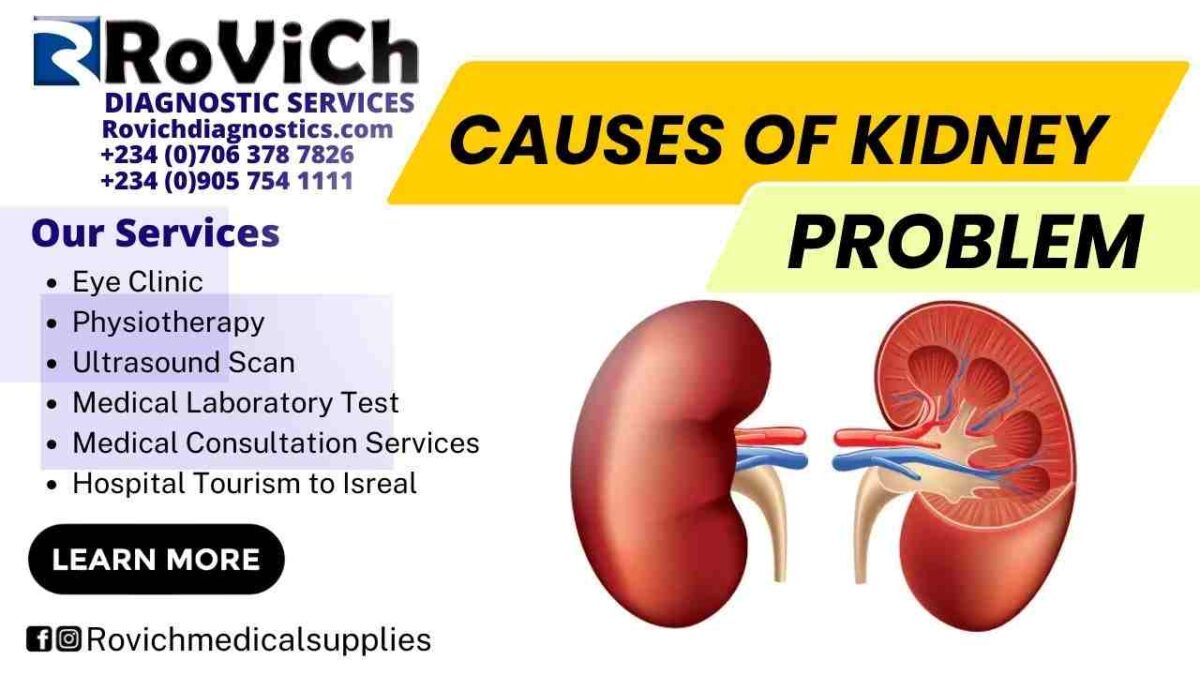
Causes-of-Kidney-Problem-1-1200x675.jpg
22/Sep/2022

Introduction

The two leading contributors to chronic kidney disease are diabetes and high blood pressure (CKD). If your kidneys aren’t functioning properly, your doctor will examine your medical history and maybe do some tests to determine the root cause. Treatment options for kidney illness vary depending on the underlying cause.

Diabetes

High levels of glucose (sugar) in the bloodstream are detrimental to the function of the kidneys as filter organs. As kidney function declines with age, the body’s ability to remove waste products and excess fluid from the circulation is compromised.

Protein in the urine is one of the early indicators of developing renal damage due to diabetes. Albumin, an essential protein for maintaining health, is lost to the urine when the filters are compromised. Albumin is a protein that is not excreted by a healthy kidney.

Damage to the kidneys due to diabetes is medically referred to as diabetic nephropathy.

Abnormally high blood pressure

The kidneys’ ability to filter blood might be impaired by high blood pressure if the blood capillaries supplying them are damaged. Damage to the blood arteries in the kidneys can impair their ability to filter blood and rid the body of waste products and excess fluid. The accumulation of fluid within the arterial walls might contribute to a vicious cycle in which hypertension worsens the condition.

What exactly is high blood pressure?

The force of the blood against the walls of the blood vessels while the heart pumps out blood is known as blood pressure. Hypertension, or high blood pressure NIH external link, is a condition in which the blood’s pressure against the capillaries carrying the blood increases to unhealthy levels.

What exactly are kidneys and what do they do?

Every minute, healthy kidneys filter nearly half a cup of blood, excreting waste products and excess water as urine. Both of your kidneys drain into two little tubes called ureters that connect to your bladder. The organ in your body responsible for holding pee is called a bladder. Part of your body’s receptacle for waste, the urinary tract consists of your kidneys, ureters, and bladder.

The kidneys are directly affected by high blood pressure.

The kidneys aren’t immune to the effects of high blood pressure, which can damage and weaken blood arteries throughout the body. Because of the constriction, blood flow is diminished.

Who is more susceptible to renal disease and high blood pressure?

Abnormally high blood pressure Increases in blood pressure are more likely to occur in people who tend to be more senior in age. Over time, your blood pressure is likely to rise. Age causes a natural hardening and thickening of our blood vessels. be affected by a genetic predisposition to hypertension. Some forms of hypertension appear to have a genetic component.

poor health due to one’s way of living. High blood pressure risk factors include a sedentary lifestyle, excessive alcohol consumption, and a high sodium (salt) diet. High blood pressure is more common in males younger than 55 than in women of the same age.

Conclusion

We have been able to deduce that the The two leading contributors to chronic kidney disease are diabetes and high blood pressure (CKD). If your kidneys aren’t functioning properly. If you have any questions or concerns about what is written here please comment in the discussion below. contact us Rovich Diagnostic Services for consultancy.

Hope this was helpful on the topic “Causes of Kidney Problem


Blue-Modern-Geometric-Business-Youtube-Thumbnail-10-1200x675.jpg
20/Sep/2022

Treatment of kidney problem

Introduction

Some forms of kidney illness may be treatable, depending on the underlying reason. However, chronic renal disease is often untreatable. As a rule, treatments aim to alleviate symptoms, lessen the likelihood of complications, and delay the disease’s course. End-stage renal disease may require therapy if your kidneys are significantly damaged.

Treating the cause

If you have kidney disease, your doctor will strive to either stop its progression or at least slow it down. The availability of treatment depends on the underlying reason. However, kidney damage may persist even after the underlying illness, such as diabetes mellitus or excessive blood pressure, has been managed.

Managing Complications

Kidney disease problems can be treated to make you more comfortable. Possible treatments include:

  1. Treatment for high blood pressure. People with renal illness might have worsening high blood pressure. Medications such as angiotensin-converting enzyme (ACE) inhibitors and angiotensin II receptor blockers are routinely used for lowering blood pressure and protecting kidney health.
  2. Because of the potential for high blood pressure drugs to initially reduce kidney function and alter electrolyte levels, regular blood tests may be necessary to monitor your status. Diuretics (water pills) and reducing your salt intake may also be suggested by your doctor.
  3. Inflammation-reducing drugs. Fluid retention is common in those with chronic renal disease. Causes leg swelling and elevated blood pressure. Body fluid balance can be controlled with the aid of medications called diuretics.
  4. Therapeutic drugs for anemia. Erythropoietin (uh-rith-roe-POI-uh-tin) hormone supplements, sometimes combined with iron, stimulate the body to create more red blood cells. Potentially helpful in combating anemia-related weakness and tiredness.
  5. Cholesterol-lowering drugs, if you will. Statins are a class of drugs that your doctor may prescribe if they determine that you need to decrease your cholesterol levels. High levels of poor cholesterol, which can raise the risk of heart disease, are common in people with chronic renal disease.
  6. Protective bone medication. Bone health and fracture prevention can be improved with the use of calcium and vitamin D supplements. To prevent calcium deposits from damaging your blood vessels, you may be prescribed a phosphate binder to reduce your blood phosphate levels (calcification).
  7. Reducing the amount of protein you eat can help your body produce less lactic acid and other waste products. Waste products are produced during protein digestion and must be removed by the kidneys. You may be advised to consume less protein in order to ease the burden on your kidneys. Talking to a certified dietitian about how to cut back on protein without sacrificing health is a good first step.

Therapeutic Options for Chronic Kidney Disease

End-stage kidney disease is characterized by the accumulation of waste products and fluids that the kidneys are unable to flush out on their own. Either dialysis or a kidney transplant will be required at that point.

Dialysis. When the kidneys are no longer functioning, dialysis is used to artificially cleanse the blood of waste materials and excess fluid. The process of hemodialysis involves a machine filtering the blood to remove impurities and excess fluids.

By inserting a thin tube into the abdominal cavity, patients undergoing peritoneal dialysis are able to have their abdominal cavity filled with a dialysis solution that removes waste and excess fluids. With time, the dialysis solution will drain from your body, taking the waste with it.

Dialysis to transplanted kidney. During a kidney transplant, a healthy donor kidney is surgically implanted into the recipient. Organs for transplantation are not limited to those obtained from the deceased.

Medications to prevent organ rejection following transplantation must be taken indefinitely. Kidney transplants can be performed on people who are not currently receiving dialysis.

Diet, exercise, and alternative medicine

Your doctor may suggest a kidney-friendly diet as part of your therapy for chronic kidney disease. This will help to reduce the strain on your kidneys and make them more efficient. You may make your diet easier on your kidneys by following the advice of a trained dietitian, who can be sent to you by your doctor.

The following dietary suggestions may be made to you depending on your specific condition, kidney function, and general health:

  • Salt is a common preservative and you should stay away from items that include it. Reduce your daily sodium intake by cutting less on processed meals like fast food, freezer dinners, and canned soups that are loaded with salt. Some examples of foods that include more salt are processed meats and cheeses, canned veggies, and salty snacks.
  • Eat less potassium-rich meals. Some examples of foods that are high in potassium are bananas, oranges, potatoes, spinach, and tomatoes. Apples, cabbage, carrots, green beans, grapes, and strawberries are all examples of low-potassium foods. Avoid using salt replacements that include potassium if you have renal failure.
  • Cut back on the meat and cheese. You should expect daily protein recommendations from your nutritionist based on an assessment of how much protein you require. Foods like lean meats, eggs, milk, cheese, and beans are excellent sources of protein. Foods high in carbohydrates but low in protein include vegetables, fruits, grains, and cereals.

Helping one another and coping

Hearing that you have chronic renal disease might be scary. One way to deal with your emotions is to:

Building relationships with those who understand what it’s like to live with renal failure.
In this way, they are in a special position to empathize and provide encouragement. Find local support groups by inquiring with your doctor. You can also get in touch with national or regional groups through the American Association of Kidney Patients, the National Kidney Foundation, or the American Kidney Fund.

  • Keeping to your regular schedule as much as feasible.
    If your health let you, keep up with your regular routine and work as much as possible. If you’re struggling to deal with grief or sadness, this may assist.
  • Putting up effort to move about most of the time.
    As recommended by your physician, try to get at least 30 minutes of exercise on most days. Dealing with exhaustion and anxiety will be easier with this method.
  • Consultation with a reliable confidant.
    Perhaps you have someone in your inner circle who is an excellent listener. You might also benefit from speaking with a trusted friend, family member, or religious figure. If you need to speak with a social worker or counselor, have your doctor set you up with one.
  • Making Arrangements for Your Consultation
    Visit your primary care physician first. It is possible that you will be referred to a kidney specialist if diagnostic tests reveal kidney damage (nephrologist).

Options available to you

See if there is anything special you need to do, like restrict your food, before your visit so you can be ready. In that case, jot down: And when they first appeared, even if they don’t seem to have anything to do with your kidneys or your urine function. A complete list, including dosage information, of any and all pharmaceuticals, nutritional supplements, and herbal remedies that you now use. The history of your other health problems and the prevalence of renal disease in your family

How to Assess Your Health: Some Questions

If you need help remembering the details of the meeting, bring a loved one or trusted friend along. Or, you may bring a recorder and keep track of everything that is said.

Some fundamental inquiries to make about chronic renal disease are:

  • What is the extent of the harm to my kidneys?
  • Is there a decline in my kidney function?
  • Should I get any further testing done?
  • Why do I feel the way I do?
  • Can my kidneys be saved from permanent damage?
  • Which therapy choices do I have?
  • Could you please list the probable adverse reactions to each treatment option?
  • And then there are these additional medical issues I’ve got. What is the best way for me to handle them jointly?
  • Will I feel better if I switch to a different diet?
  • How about putting me in touch with a dietician who can advise me on what to eat?
  • I was wondering if you have any brochures or printed materials I may borrow. Can you suggest some good online resources?
  • How often should my kidneys be tested?
  • It’s okay to ask anything else pops into your head.

The Normal Range of Expectations for Your Doctor

A few examples of questions you could be asked by your doctor are:

  • How long have you experienced symptoms?
  • Do you know whether you have high blood pressure and if so, have you been treated for it?
  • How often do you urinate, and have you noticed any changes?

Conclusion

We have been able to deduce that Some forms of kidney illness may be treatable, depending on the underlying reason. However, chronic renal disease is often untreatable. As a rule, treatments aim to alleviate symptoms, lessen the likelihood of complications, and delay the disease’s course.

If you have any questions or concerns about what is written here please comment in the discussion below. contact us Rovich Diagnostic Services for consultancy.

Hope this was helpful on the topic “Treatment of kidney problem


Blue-Modern-Geometric-Business-Youtube-Thumbnail-9-1200x675.jpg
19/Sep/2022

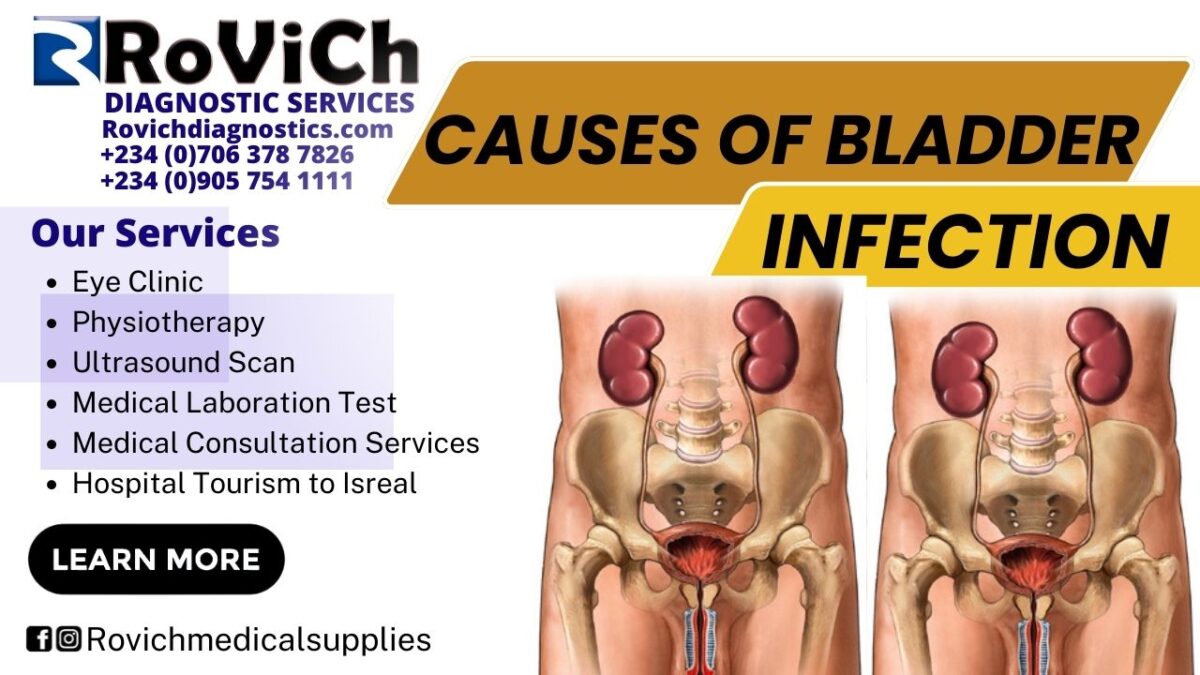
Causes of Bladder Infection

What exactly is a cystitis (bladder infection)?

Bladder inflammation, or cystitis, is typically brought on by a bacterial infection. Infections of the bladder develop when bacteria from the perineum (the region between the vagina/penis and the rectum) enter the urethra and make their way into the bladder.

As the most frequent kind of UTI, bladder infections plague countless people (UTI). The kidneys, ureters, bladder, and urethra are all potential sites for urinary tract infections. They are responsible for about 8.1 million annual doctor’s office visits. There is a lifetime risk of getting a urinary tract infection (UTI) of about 60% for women and 12% for males.

To what extent do bladder infections occur frequently?

Infections of the urinary bladder are relatively prevalent, especially among women. In her lifetime, 60% of women will get a bladder infection. Moreover, these illnesses might come back: It is estimated that between 20% and 40% of women who have had a bladder infection will have another one at some point. Anatomical variations make bladder infections less common in men.

How can germs get into the bladder and produce an infection?

The urethra is the usual entry point for germs that cause a bladder infection. E. coli, or Escherichia coli, is the most prevalent form of bacterium (E. coli).

The likelihood of contracting a bladder infection can be influenced by a number of different variables. Among these are:

  • Urinary system anomalies in anatomy.
  • Menopause.
  • via means of a catheter.
  • By use of spermicides.
  • Constipation.
  • Having several lovers at once.


I’d want to know the signs of bladder irritation (cystitis).

Bladder infection symptoms are quite similar to those of a urinary tract infection (UTI). Some of the symptoms that may occur are:

  • You may experience an increased desire to urinate. Not everyone who feels rushed feels the same way (sudden desire to pee).
  • Suprapubic pain/burning when urinating: If you have an infection, you could feel pain in the suprapubic region and burning when you urinate.
  • Urine with a bad color or odor.

A more severe kidney infection may also be accompanied by other symptoms, such as:

  • Fever (temperature above 100 degrees Fahrenheit).
  • Frozen or strenuous temperatures (shaking).
  • Vomiting.
  • Experiencing ache in the flank.


In what ways might this illness be identified?

Urinary tract infections are serious, so if you suspect you have one, it’s best to consult a doctor. Cystitis, or inflammation of the bladder, can be diagnosed with the use of a urine sample. A sample of your urine will be taken in a sanitary (sterile) cup in the bathroom of your doctor’s office. To ensure that you have a urine sample available for your doctor’s examination, you may wish to hold off on urinating just before your scheduled appointment. Your healthcare professional will most likely do both a urinalysis and a urine culture on your pee.

Examining the color, concentration, and substance of urine is what a urinalysis is all about.

A urine culture can identify the infectious bacteria and reveal which drugs will be effective against them.

If you keep getting bladder infections, your doctor could prescribe imaging tests to check out your kidneys or a cystoscopy to take a look inside your bladder with a specialized scope.

How is inflammation of the bladder dealt with?

Antibiotics are commonly used to treat a bladder infection. Doctors administer antibiotics depending on the bacteria species detected in a patient’s urine. It’s crucial to finish the entire course of antibiotics prescribed by your doctor in order to effectively cure the illness.

Antibiotics are used often, and some of them include:

  • Nitrofurantoin.
  • Sulfonamides (sulfa drugs).
  • Amoxicillin.
  • Cephalosporins.

How can I avoid getting cystitis, or inflammation of the bladder?

In many cases, a bladder infection may be avoided with the help of healthy habits. For example of such actions are:

  • Make sure you have adequate hygiene (wiping from front to back) and quickly address any issues with diarrhea or constipation.
  • You may assist flush germs out of your bladder by drinking more water.
  • Anti-aging estrogen cream for women past menopause: Menopause causes changes in vaginal tissue, making it hostile to the beneficial bacteria that ordinarily populate the vagina. Bladder infections are brought on by bacterial colonization. Topical estrogen cream may be necessary to restore the beneficial bacteria. If you’re wondering if topical estrogen cream is right for you, talk to your healthcare professional.
  • Altering your method of contraception may also be necessary if you suffer from recurrent urinary tract infections and/or bladder infections. Infection risk increases for women who use diaphragms and spermicide. When engaging in sexual activity, it is recommended that you use a water-based lubricant.
  • UTIs can be avoided with the aid of over-the-counter remedies like D-mannose and cranberry. Talk to your doctor about these alternatives if you suffer from recurrent UTIs or bladder infections, and figure out how to keep the illnesses at bay.

What is the prognosis for inflamed bladder (cystitis)?

After taking a brief course of antibiotics, the irritation in your bladder should subside. Keep taking the medication even if your symptoms improve. The infection may return if you stop taking the treatment too soon.

When is it time to see a doctor about my bladder infection?

Get in touch with your doctor if you see the signs of a urinary tract infection or bladder infection.

Conclusion

We have been able to deduce that as the most frequent kind of UTI, bladder infections plague countless people (UTI). The kidneys, ureters, bladder, and urethra are all potential sites for urinary tract infections and  you will be putting yourself at a greater risk the listed symptoms are not regularly check.

If you have any questions or concerns about what is written here please comment in the discussion below. contact us Rovich Diagnostic Services for consultancy.

Hope this was helpful on the topic “Causes of Bladder Infection


Rovich medical Services is a top diagnostic centre that provides world class medical services


Social networks


Facebook

www.facebook.com


Twitter

#WeCare


Instagram

www.instagram.com


Emergency number


0905 754 1111


Call us now if you are in a emergency laboratory need, we will reply swiftly and provide you with an aid


Copyright by Rovich Medical Services. All rights reserved.