Blog

Completely synergize resource taxing relationships via premier niche markets. Professionally cultivate one-to-one customer service with robust ideas.
Rovich-Diagnostics-Services-Enugu-1200x675.jpg
09/Aug/2022

Rovich Diagnostic Services Enugu

MEANING OF THERAPY

A therapy or medical treatment (often abbreviated tx, Tx, or Tx) is the attempted remediation of a health problem, usually following a medical diagnosis.

As a rule, each therapy has indications and contraindications. There are many different types of therapy. Not all therapies are effective. Many therapies can produce unwanted adverse effects.

Medical treatment and therapy are generally considered synonyms. However, in the context of mental health, the term therapy may refer specifically to psychotherapy.

TYPES OF THERAPIES

1.      PSYCHOANALYSIS AND PSYCHODYNAMIC THERAPIES

This approach focuses on changing problematic behaviors, feelings, and thoughts by discovering their unconscious meanings and motivations. Patients learn about themselves by exploring their interactions in the therapeutic relationship.

2.      BEHAVIOR THERAPY

This approach focuses on learning’s role in developing both normal and abnormal behaviors.

3.      COGNITIVE THERAPY

Cognitive therapy emphasizes what people think rather than what they do.

Cognitive therapists believe that it’s dysfunctional thinking that leads to dysfunctional emotions or behaviors. By changing their thoughts, people can change how they feel and what they do.

4.  HUMANISTIC THERAPY

 This approach emphasizes people’s capacity to make rational choices and develop to their maximum potential. Concern and respect for others are also important themes. Three types of humanistic therapy are especially influential. 

  •         Client-centered therapy
  •         Gestalt therapy
  •         Existential therapy

5.      INTEGRATIVE OR HOLISTIC THERAPY

Many therapists don’t tie themselves to any one approach. Instead, they blend elements from different approaches and tailor their treatment according to each client’s needs.

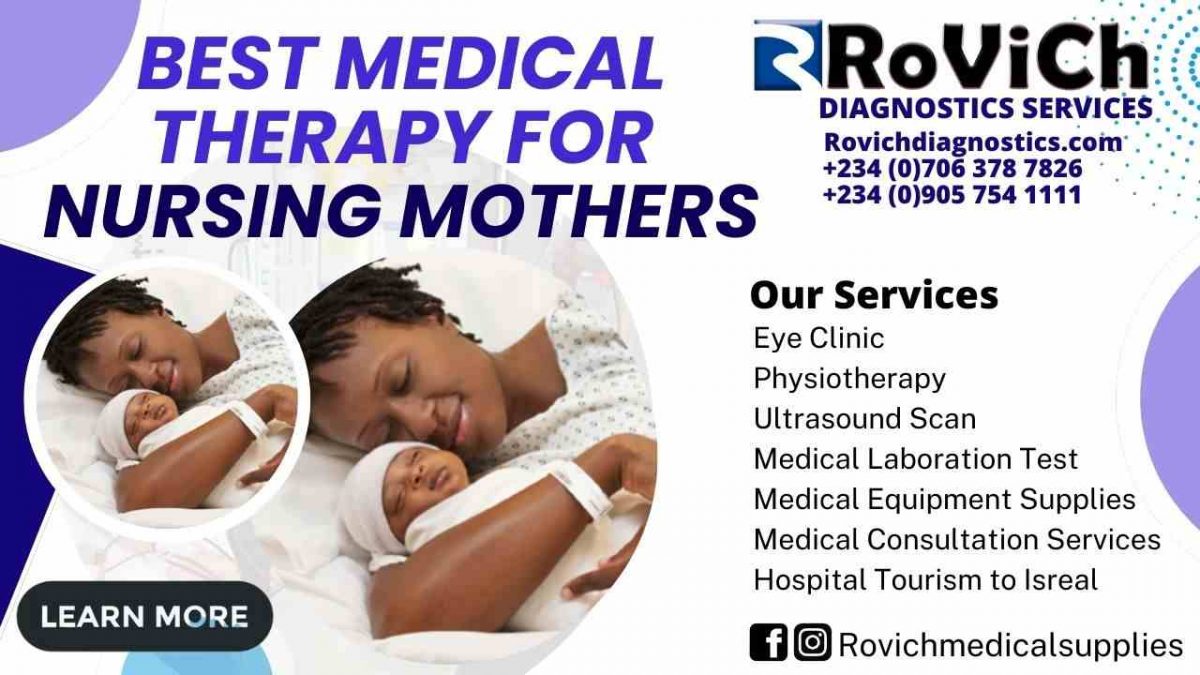
BEST MEDICAL THERAPY FOR NURSING MOTHERS (BREAST FEEDING MOTHERS) 

Prescribing medications for a breast-feeding mother requires weighing the benefits of medication use for the mother against the risk of not breast-feeding the infant or the potential risk of exposing the infant to medications. A drug that is safe for use during pregnancy may not be safe for the nursing infant. The transfer of medications into breast milk depends on a concentration gradient that allows passive diffusion of nonionized, non-protein-bound drugs. The infant’s medication exposure can be limited by prescribing medications to the breast-feeding mother that are poorly absorbed orally, by avoiding breast-feeding during times of peak maternal serum drug concentration and by prescribing topical therapy when possible. Mothers of premature or otherwise compromised infants may require altered dosing to avoid drug accumulation and toxicity in these infants. The most accurate and up-to-date sources of information, including Internet resources and telephone consultations, should be used.

ANTIBIOTICS

Penicillins and cephalosporins, which are excreted in milk in trace amounts, are compatible with breast-feeding. A remote possibility exists that the child will experience an allergic reaction to the antibiotic or develop diarrhea caused by changes in gut flora. Trimethoprim-sulfamethoxazole (Bactrim, Septra) is compatible with breast-feeding, but its use should be avoided when nursing infants are younger than two months because of its potential for causing increased bilirubin levels. Rovich Diagnostic Services Enugu

Tetracycline is excreted in small amounts in breast milk, but the calcium in breast milk limits its absorption. Although tetracycline is compatible with breast-feeding, other antibiotics are preferred, especially for long-term use. Newer derivatives such as doxycycline (Vibramycin) or minocycline (Minocin) should be avoided because of higher absorption by infants and toxicity in children (e.g., dental staining, decreased bone growth). 

ANTIDEPRESSANTS

Maternal depression is known to have an adverse effect on parenting and infant development. Tricyclic antidepressants have been shown to have little to no effect on the breastfeeding infant, although the AAP finds most tricyclic agents to be of possible concern. Taking a single daily dose at bedtime will limit the infant’s exposure to the medication. The selective serotonin reuptake inhibitors (SSRIs) are generally the first choice of treatment for depression. Sertraline (Zoloft) is likely to be the safest choice among them because it has been studied extensively and because drug levels found in nursing infants are usually minimal.

Fluoxetine (Prozac) use during pregnancy has been well-studied, and many new mothers are already taking it at delivery. Its use during breast-feeding is controversial, however. Fluoxetine’s long half-life and potential for accumulation in breast milk has prompted some recommendations to avoid its use in women who are breast-feeding young infants. Colic and fussiness have been attributed to elevated serum concentrations of fluoxetine and its metabolite in nursing infants.

ANALGESICS

Of the nonsteroidal anti-inflammatory drugs (NSAIDs), ibuprofen (Motrin) is the preferred choice because it has poor transfer into milk and has been well-studied in children. Long half-life NSAIDs such as naproxen (Naprosyn), sulindac (Clinoril) and piroxicam (Feldene) can accumulate in the infant with prolonged use.

Epidural use of bupivacaine (Marcaine), lidocaine (Xylocaine), morphine, fentanyl (Sublimaze) and sufentanil (Sufenta) is generally safe in breast-feeding mothers. Morphine, codeine and hydrocodone are considered compatible with breast-feeding by the AAP.

Meperidine (Demerol) is not the preferred analgesic for use in breast-feeding women because of the long half-life of its metabolite in infants. Repeated exposure to analgesic agents, especially meperidine, may result in drug accumulation and toxic effects in young or compromised infants because of their underdeveloped hepatic conjugation. Rovich Diagnostic Services Enugu

CONTRACEPTIVE AGENTS

Hormones contained in combination oral contraceptive pills (OCPs) are not harmful to infants but, because estrogen diminishes the maternal milk supply, these products should be avoided in breast-feeding mothers whenever possible, especially during the first two months of breast-feeding. Progestin-only contraceptives are preferable, although these also may decrease milk supply. Delaying the use of OCPs, including the progestin-only mini-pill, until six weeks after starting breast-feeding and then using a progestin-only mini-pill (such as Micronor) will allow the mother to assess the drug’s effect on her milk supply. If the medication is well-tolerated, repository medroxyprogesterone (Depo-Provera) can be used. 

ANESTHETIC AGENTS

Although limited information is available regarding anesthetic agents and their compatibility with breast-feeding, use of propofol (Diprivan), thiopental sodium (Pentothal) and enflurane (Ethrane), should result in negligible amounts of drug exposure to the nursing infant. In general, the healthy term infant can safely nurse as soon after surgery as the mother is awake and alert. Rovich Diagnostic Services Enugu

CONCLUSION

In short, breast-feeding has so many benefits for mothers and infants. Breast-feeding helps infants with developing their immune system. Also, breastfeeding can save parents a lot of money. Even with help by the government, not all parents qualify for help. Lastly, breast-feeding can promote closeness between mother and infant. This is why breast-feeding is more beneficial than formula feeding. Although mothers are still being judged for breastfeeding in public today, women should still feel a sense of hope that there are people who support them. Also, the infant’s health is the most important thing.

Hope this was helpful on the topic “BEST MEDICAL THERAPY FOR NURSING MOTHERS” for more info kindly Contact Us

Might also Interest you :  what are the symptoms of kidney diseases

Might also Interest you : BEST MEDICAL EQUIPMENT FOR DIALYSIS IN 2022

Might also Interest you : How to stay free from color blindness

Might also Interest you : How to leave healthy in a toxic environment 

Might also Interest you : Ways to Reduce your high blood pressure 

Might also Interest you : WHAT ARE THE CAUSES OF FIBROID

Might also Interest you : Danger of self-medication


Buy-Dialysis-Equipment-Rovich-1200x675.jpg
08/Aug/2022

Buy Dialysis Equipment Rovich

MEANING OF DIALYSIS

Dialysis is the process of removing excess water, solutes, and toxins from the blood in people whose kidneys can no longer perform these functions naturally. This is referred to as renal replacement. Dialysis may need to be initiated when there is a sudden rapid loss of kidney function, known as acute kidney injury (previously called acute renal failure), or when a gradual decline in kidney function, chronic kidney disease, reaches stage 5. Stage 5 chronic renal failure is reached when the glomerular filtration rate is 10–15% of normal, creatinine clearance is less than 10 mL per minute and uremia is present. Buy Dialysis Equipment Rovich

Dialysis is used as a temporary measure in either acute kidney injury or in those awaiting kidney transplant and as a permanent measure in those for whom a transplant is not indicated or not possible.  The first successful dialysis was performed in 1943.

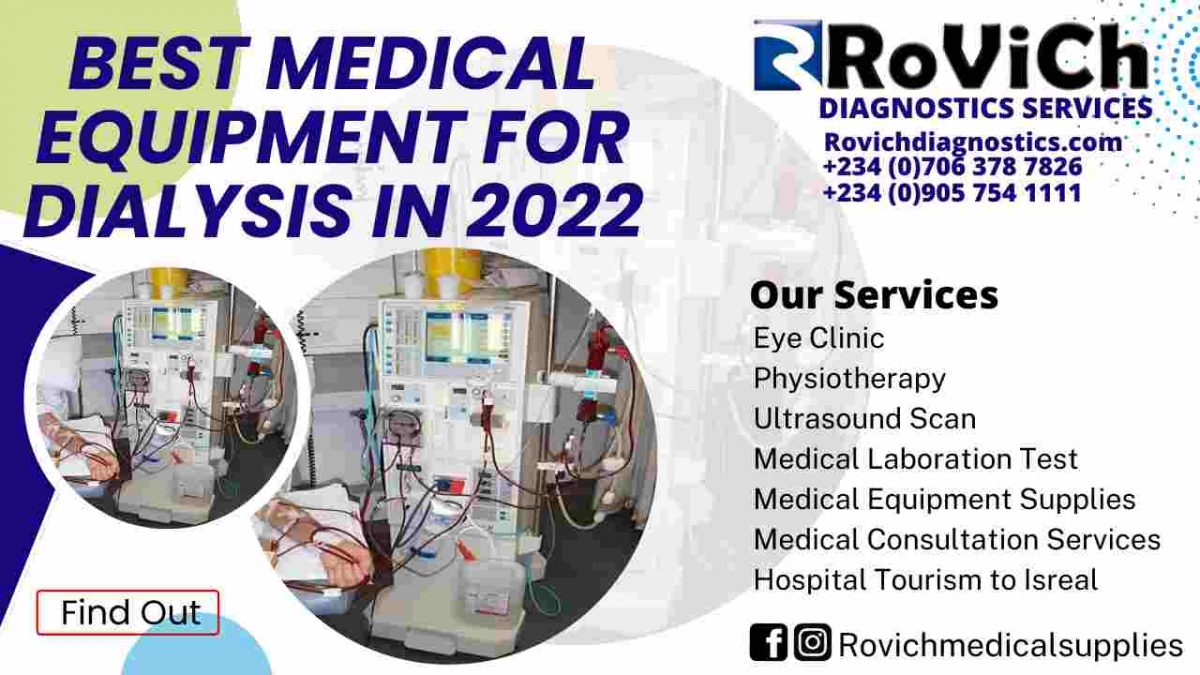
EQUIPMENTS USED FOR DIALYSIS

1.   DIALYZER

In Hemodialysis, a dialysis machine and a special filter called an artificial kidney, or a dialyzer, are used to clean your blood. A dialyzer is the part in the hemodialysis machine where a patient’s blood gets filtered. The dialyzer has two parts, one for the patient’s blood and one for a washing fluid called dialysate. A thin membrane separates these two parts. Blood cells, protein, and other important things remain in the patient’s blood because they are too big to pass through the membrane. Smaller waste products in the blood, such as urea, creatinine, potassium, and extra fluid pass through the membrane and are washed away.


  1. DIALYSIS MACHINES

Computer-controlled dialysis machines are one of the most important products in hemodialysis. It performs a number of key functions – it pumps blood from the patient’s body through the blood lines to the dialyzer. There, a fluid known as dialysate transports the toxins and excess water filtered from the blood away from the body. The fluid is introduced against the flow of blood through a separate circuit that is also controlled by the dialysis machine. In addition, the device injects drugs that restrain coagulation.

3.   AV FISTULA NEEDLE

An Arteriovenous (AV) Fistula Needle allows venous and arterial access for patients undergoing hemodialysis. An AV Fistula Needle is a part of the connector of the hemodialysis system. It creates an internal fistula akin to its natural counterpart in the body by connecting blood lines with blood vessels through needles. After the fistula is surgically created, the system is allowed to mature before it is ready to be used for hemodialysis. The needles have flexible butterfly wings for better grip and this also allow easy insertion and minimize trauma to the patient.

4.   PERITONEAL DIALYSIS SUPPLIES

There are two types of peritoneal dialysis: Continuous Ambulatory Peritoneal Dialysis (CAPD) and Automated Peritoneal Dialysis (APD).

In CAPD, treatments are performed continuously without a machine. Typically, three to five exchanges are done per day in a clean environment.

In Automated Peritoneal Dialysis (APD), a dialysis machine performs the exchange of fluid, helping in making overnight treatment possible.

5.   SUPPLEMENTAL DRUGS

Dialysis can help perform most of the kidneys’ vital functions but it cannot entirely replace the natural organ. Therefore, patients with chronic kidney failure must also take drugs to control the balance of minerals in the body and prevent a lack of red blood cells (anemia).


6.   BLOOD TUBING SET

Designed for the patient to connect an external system which extracts their blood to the dialyzer and then returns patient’s blood from the dialyzer, Blood Tubing Sets are particularly used for continuous blood supplies during Hemodialysis. During hemodialysis, these blood lines act as a blood channel during blood purification treatment. Blood Tubing Sets are disposable bloodlines, intended to transfer blood from patients’ vascular access system to the hemodialyzer through an arterial tubing, and from the hemodialyzer to the patient vascular system via a venous tubing.

The blood tubing set consists of two parts: Arterial and Venous line which are used during dialysis with attached fistula and dialyzer.

7.   WATER TREATMENT (RO)

The dialysate is made up of water and chemicals and the patient’s blood comes in contact with dialysate, and the water used for this process must be very pure. Reverse Osmosis procedure can make the normal tap water pure enough to use for hemodialysis. Water treatment (RO) system produces water that is safe for dialysis.

8.   ELECTRIC DIALYSIS CHAIR

The Electric Dialysis Chair is specifically designed for dialysis patients. The chair features a foot beard for relaxation and upholstery thickness improves patient comfort. The footrest can be pressed by the patient during the procedure to relieve the muscle cramps that may occur during treatment. The chair has an electric tilt adjustment that makes the treatment comfortable for the patient. Buy Dialysis Equipment Rovich

DISINFECTANT

Hemodialysis disinfectant contains the best cleaning agents for hemodialysis machines that help keep instruments clean all the time.

CONCLUSION

Severe forms of kidney disease which requires dialysis are curable in some instances. Even if it is not curable, the patient can still lead a meaningful life while on dialysis. Kidney is the only vital organ which can be replaced long term by a machine with reasonable success.

Hope this was helpful on the topic “BEST MEDICAL EQUIPMENT FOR DIALYSIS IN 2022” for more info kindly Contact Us

Might also Interest you :  what are the symptoms of kidney diseases

Might also Interest you : How to stay free from color blindness

Might also Interest you : How to leave healthy in a toxic environment 

Might also Interest you : Ways to Reduce your high blood pressure 

Might also Interest you : WHAT ARE THE CAUSES OF FIBROID

Might also Interest you : Danger of self-medication


Blue-Controller-Faux-OrganicAbstract-Technology-Gaming-Facebook-Shops-Cover-33-1200x900.jpg
28/Sep/2021

symptoms of kidney diseases

 INTRODUCTION

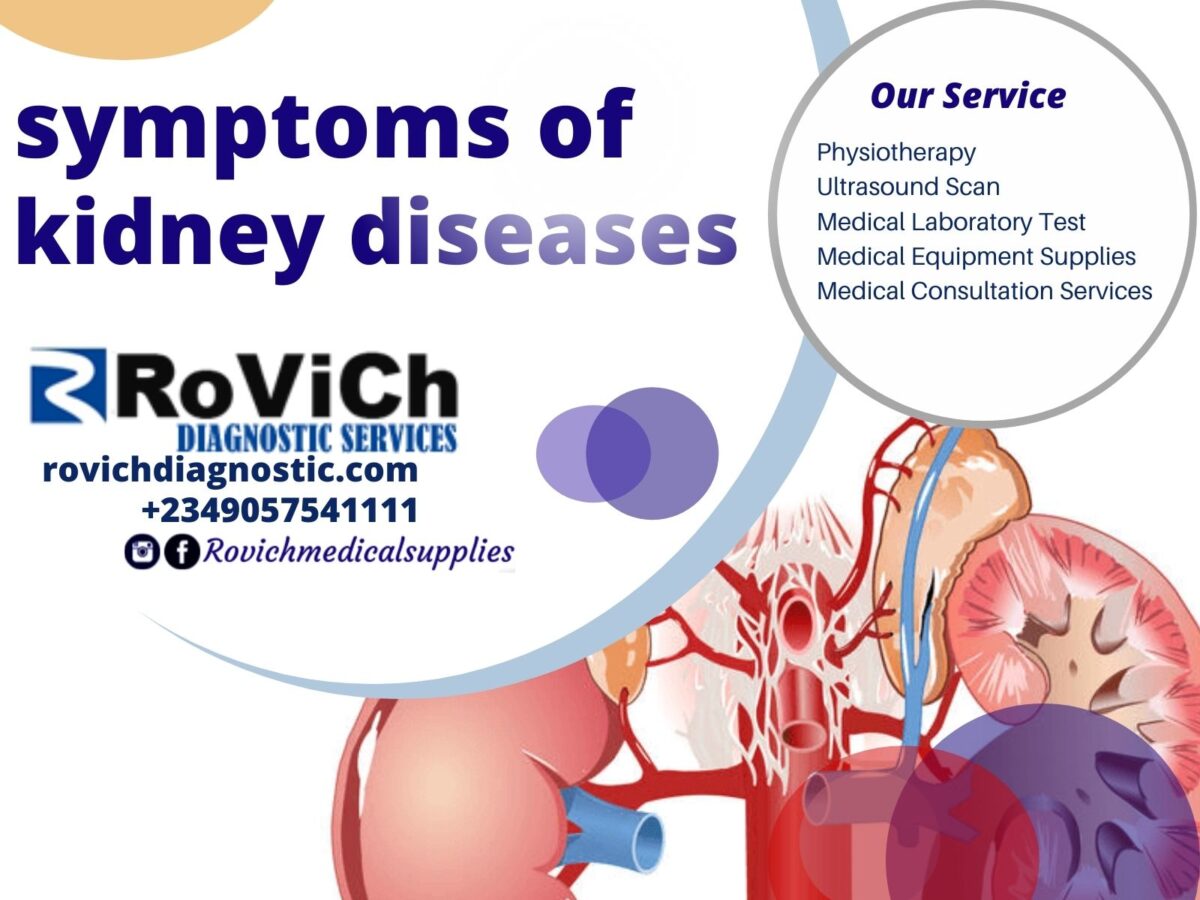
The kidneys are two reddish-brown bean-shaped organs found in vertebrates. They are located on the left and right in the retroperitoneal space, and adult humans are about 12 centimeters (4+1⁄2 inches) in length. They receive blood from the paired renal arteries; blood exits into the paired renal veins. Each kidney is attached to a ureter, a tube that carries excreted urine to the bladder. The kidney participates in the control of the volume of various body fluids, fluid osmolality, acid–base balance, various electrolyte concentrations, and removal of toxins. Filtration occurs in the glomerulus: one-fifth of the blood volume that enters the kidneys is filtered. Examples of substances reabsorbed are solute-free water, sodium, bicarbonate, glucose, and amino acids. Examples of substances secreted are hydrogen, ammonium, potassium and uric acid. The kidneys also carry out functions independent of the nephron. For example, they convert a precursor of vitamin D to its active form, calcitriol; and synthesize the hormones erythropoietin and renin. The nephron is the structural and functional unit of the kidney. Each adult human kidney contains around 1 million nephrons, while a mouse kidney contains only about 12,500 nephrons. Procedures used in the management of kidney disease include chemical and microscopic examination of the urine (urinalysis), measurement of kidney function by calculating the estimated glomerular filtration rate (eGFR) using the serum creatinine; and kidney biopsy and CT scan to evaluate for abnormal anatomy. Dialysis and kidney transplantation are used to treat kidney failure; one (or both sequentially) of these are almost always used when renal function drops below 15%. Nephrectomy is frequently used to cure renal cell carcinoma.   symptoms of kidney diseases                                                                                                                          

Renal physiology is the study of kidney function. Nephrology is the medical specialty which addresses diseases of kidney function: these include chronic kidney disease, nephritic and nephritic syndromes, acute kidney injury, and pyelonephritis. Urology addresses diseases of kidney (and urinary tract) anatomy: these include cancer, renal cysts, kidney stones and ureteral stones, and urinary tract obstruction. The word “renal” is an adjective meaning “relating to the kidneys”, and its roots are French or late Latin. Whereas according to some opinions, “renal” should be replaced with “kidney” in scientific writings such as “kidney artery”, other experts have advocated preserving the use of renal as appropriate including in “renal artery

Importance of the kidney

Most people know that a major function of the kidneys is to remove waste products and excess fluid from the body. These waste products and excess fluid are removed through the urine. The production of urine involves highly complex steps of excretion and reabsorption. This process is necessary to maintain a stable balance of body chemicals. The critical regulation of the body’s salt, potassium and acid content is performed by the kidneys. The kidneys also produce hormones that affect the function of other organs. For example, a hormone produced by the kidneys stimulates red blood cell production. Other hormones produced by the kidneys help regulate blood pressure and control calcium metabolism.

Rovich Diagnostics service
Best Diagnostics service in Anambra

best medical equipment

The kidneys are powerful chemical factories that perform the following functions:

  •         Remove waste products from the body
  •         Remove drugs from the body
  •         Balance the body’s fluids
  •         Release hormones that regulate blood pressure
  •         Produce an active form of vitamin D that promotes strong, healthy bones
  •         Control the production of red blood cells. 

Causes of kidney diseases

The two main causes of chronic kidney disease are diabetes and high blood pressure, which are responsible for up to two-thirds of the cases. Diabetes happens when your blood sugar is too high, causing damage to many organs in your body, including the kidneys and heart, as well as blood vessels, nerves and eyes.

symptoms of kidney diseases

Kidney diseases and associated symptoms

Symptoms                                                                                                 

Signs and symptoms of chronic kidney disease develop over time if kidney damage progresses slowly. Loss of kidney function can cause a buildup of fluid or body waste or electrolyte problems. Depending on how severe it is, loss of kidney function can cause:

  •         Nausea
  •         Vomiting
  •         Loss of appetite
  •         Fatigue and weakness
  •         Sleep problems
  •         Urinating more or less
  •         Decreased mental sharpness
  •         Muscle cramps
  •         Swelling of feet and ankles
  •         Dry, itchy skin
  •         High blood pressure (hypertension) that’s difficult to control
  •         Shortness of breath, if fluid builds up in the lungs
  •         Chest pain, if fluid builds up around the lining of the heart

Signs and symptoms of kidney disease are often nonspecific. This means they can also be caused by other illnesses. Because your kidneys are able to make up for lost function, you might not develop signs and symptoms until irreversible damage has occurred.

symptoms of kidney diseases

REMEDY (symptoms of kidney diseases)

There’s no cure for chronic kidney disease (CKD), but treatment can help relieve the symptoms and stop it getting worse. Your treatment will depend on the stage of your CKD. The main treatments are: lifestyle changes – to help you stay as healthy as possible. Such as

  •         Control your blood sugar if you have diabetes.
  •         Keep a healthy blood pressure.
  •         Follow a low-salt, low-fat diet.
  •         Exercise at least 30 minutes on most days of the week.
  •         Keep a healthy weight.
  •         Do not smoke or use tobacco.
  •         Limit alcohol

 FREQUENTLY ASK QUESTION

What are the common causes of kidney diseases?

High blood pressure, diabetes and obesity are the most common causes of kidney diseases. High blood pressure damages the tiny blood vessels and filtering units in the kidneys, reducing the kidneys’ capacity to remove excess water and waste from the blood. People with diabetes have high levels of blood glucose, which is harmful to the blood vessels in the kidneys. According to the Mayo Clinic, one in four patients with diabetes develops kidney disease eventually 2. As for individuals with obesity, they are more vulnerable to developing high blood pressure and diabetes, as well as kidney diseases.  

What drugs are harmful to the kidneys?

All drugs pass through the kidneys. In particular, pain medications, antibiotics, prescription laxatives and contrast dye can reduce blood flow to the organs. Make sure you follow the instructions of your healthcare provider to prevent injury to the kidneys.                                          Alcohol and illegal substances can hurt the kidneys, as well.                                                            


CONCLUSION OF (symptoms of kidney diseases)

The kidneys filter waste and excess fluid from the blood. As kidneys fail, waste builds up. Symptoms develop slowly and aren’t specific to the disease. Some people have no symptoms at all and are diagnosed by a lab test .Medication helps manage symptoms. In later stages, filtering the blood with a machine (dialysis) or a transplant may be required. Therefore some physical activities such as exercise, stopping smoking of tobacco, limit intake of alcohol, limit excess intake of sugar and obesity. etc should always be done in order to stay free from developing these deadly kidney diseases. And when symptoms persists, u are advised to go and see the specialist

 Hope this was Helpful, for more updates and information on how well to deal with such issue of kidney contact Rovich Diagnostics Services

How to reduce high blood pressure


Blue-Controller-Faux-OrganicAbstract-Technology-Gaming-Facebook-Shops-Cover-32-1200x900.jpg
27/Sep/2021

Best Diagnostic services in Anambra

Best Diagnostic services in Anambra   Rovich Diagnostics service

What is self-medication 

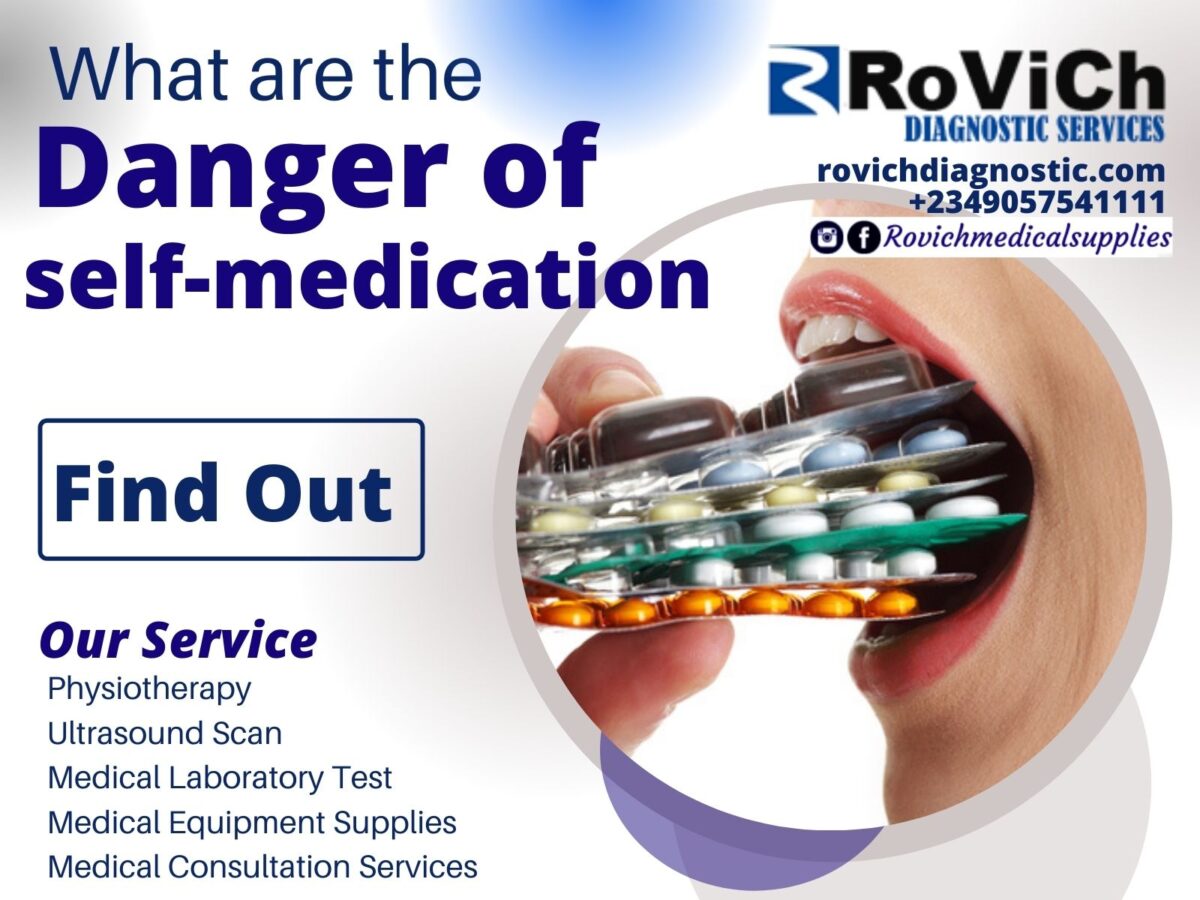
Generally speaking, self-medication is defined as “the use of drugs or any medication to treat self-diagnosed disorders or symptoms of illness, or continued use of a prescribed drug for chronic disease or symptoms. Self-medication is human behavior in which an individual uses a substance or any exogenous influence to self-administer treatment for physical or psychological ailments. The most widely self-medicated substances are over-the-counter drugs and dietary supplements, which are used to treat common health issues at home.


Advantages of self-med 


  • Self-med Enables patients to control their own chronic conditions.
  • Proper self-Med can help sustain a life when there is an emergency case. 
  • The initial level of ailments can easily be treated by self-medication such as fever, headache, indigestion, mouth ulcer, nausea, cough, acne, allergic conjunctivitis.
  • Increasing the awareness of health care and medication to the residents living in far-flung areas who are mostly uneducated and ill-informed.
  • Decline the burden of expenses where human capital is inadequate.
  • Reduce a huge pressure on medical services where health care personnel or basic amenities are insufficient.
  • Self-medication empowers individuals to resist the existing chronic abnormalities by their own perception and understanding.
  • Self-med saves expenses such as doctor’s consultation, registration fees.  

Best Diagnostic services in Anambra

Disadvantages of self-med 


Excessive take of drugs without a prescription by the physician is an abuse of drugs and can lead to the untimely death of the host.


  • Some drugs are highly reactive and effective when used in an unrecommended manner, the main consideration is the over usage of the drugs which may cause hypertension, which may eventually lead to heart failure and also hepatic and renal failure.
  • Self-medication may turn out to be wrong.
  • Self-medication by the patient’s own choice may result in treatment failures while making the ailment more complicated.
  • Self-medicated patients are brought into the hospital when the ailment has reached a terrible or an incurable mode.
  • Due to inept usage of medication, the chances of drug reactions increase at a higher rate which can cause side effects. 
  • Due to self-medication, the incongruous occurrence of both underdosing and overdosing results in deadly adversarial conditions.
  • An unbearable cost of healthcare arises due to prolonged recovery.
  • Uncountable side-effects of the dosages terribly destroy and imbalances the internal hormonal structure of the human body.

Best Diagnostic services in Anambra

Causes of self medications (Best Diagnostic services in Anambra)

It’s important to note that self-medication doesn’t fix or resolve the cause of your pain or stress, it only helps cover up the symptoms. It’s not always easy to identify when you’re self-medicating. To understand if you’re self-medicating, it’s necessary to examine your attitude and motives for drinking or taking drugs as well as the impact it’s having on your life. For example, are you popping a pain pill because your back is hurting or because you’ve had a stressful day at work and you want to change how you feel? Are you having a drink to be sociable with friends or complement a meal or are you trying to improve your mood or feel less anxious? Signs of self-medicating include:


  • Taking alcohol or drugs when stressed up in response to daily activities.
  • Devoting more and more time, money, and focus to your substance or med
  • Taking drugs or any substances because you feel you need to when it is not necessary just to deal with feelings or memories that happened long in the past
  • Having difficulty reasoning and think straight while in school, at work, or in your relationships can cause physical or mental problems.
  • Worrying when you don’t have access to your substance
  • Noticing that your loved ones are beginning to worry about your habit.


Let’s briefly explain the causes and effects of self-med.


  1. You turn to alcohol or drugs when you’re feeling anxious, stressed, or depressed. Many of us have used substances to cope with occasional bad news, such as the loss of a job or the breakup of a relationship. But if you’re regularly drinking or using drugs to cope with stress, relieve boredom, improve how you feel, or steel yourself for a social engagement, for example, then there’s a strong possibility you’re self-medicating.


2. After using drugs or substances as self-med, Once the power effects have worn off, you’ll likely feel even worse. Self-medicating can impact how well you sleep, deplete your energy levels, and lower your immune system, making you more susceptible to illnesses. Your mood and emotional well-being will also suffer as you get trapped in a downward spiral of worsening mood and increased substance use.


3. It takes more and more self-medicating to gain relief. Where once it took just one or two drinks to ease your anxiety or de-stress at the end of the day, now it takes three, four, or even more. Having an increased tolerance means that you need more alcohol or drugs to experience the same effects. As you continue to self-medicate, your tolerance will continue to increase as will the problems caused by your increasing substance use. You can only break the cycle by finding healthier ways to deal with your problems.


4.  Addiction,  If you have been self-medicating for a while, you may have already formed a dependence or addiction. If you experience withdrawal symptoms when you avoid self-medicating, you may be addicted. If your withdrawal symptoms go away as soon as you use them, your body has become dependent on the substances you use to self-medicate.


5. You worry when you don’t have access to drugs or alcohol. Do you worry about how you’ll cope with a social situation where alcohol won’t be available? Do you start to get anxious when your prescription runs out? Do you get restless waiting for payday so you can afford to restock the drinks cabinet or call your dealer? The more uncomfortable you get at the thought of being separated from your substance of choice, the more likely it is that you’re self-medicating.


6. You worry when you don’t have access to drugs or alcohol. Do you worry about how you’ll cope with a social situation where alcohol won’t be available? Do you start to get anxious when your prescription runs out? Do you get restless waiting for payday so you can afford to restock the drinks cabinet or call your dealer? The more uncomfortable you get at the thought of being separated from your substance of choice, the more likely it is that you’re self-medicating.


7. You worry when you don’t have access to drugs or alcohol. Do you worry about how you’ll cope with a social situation where alcohol won’t be available? Do you start to get anxious when your prescription runs out? Do you get restless waiting for payday so you can afford to restock the drinks cabinet or call your dealer? The more uncomfortable you get at the thought of being separated from your substance of choice, the more likely it is that you’re self-medicating.

Best Diagnostic services in Anambra

Dangers of self-medication (Best Diagnostic services in Anambra)

Trying to self-medicate a mental health issue can create a myriad of problems beyond the risk of becoming addicted to your substance of choice. Self-medicating can also:


Make symptoms worse:

Trying to self-medicate a mental health issue can worsen existing symptoms or even generate new symptoms.


Interact with prescription medications:

Abusing alcohol or drugs can interact with any other medications you’re taking, either negating their effectiveness or causing unpleasant side effects.


Trigger new mental health problems:

If you’re already at risk for a mental health disorder, drinking heavily or using drugs could lead to the development of new problems beyond those that prompted your self-medication in the first place. For example, opioid and alcohol use has been linked with triggering depression, and marijuana cause psychosis and mental disorder. 


Delay or prevent you from seeking help.

When you’re set on a course of self-medicating it can be hard to change direction and seek healthier advice that will give more effective methods of dealing with your problems. Once you recognize how your substance use is only adding to your problems rather than solving them, though, you can move on to tackling the issues once and for all.

Federal Hospital

Consider some risks of self-med 


Going Undiagnosed

Suppose you struggle with organization, attention, and forgetfulness, but discover that meth or cocaine helps you focus without any other apparent side effects. You may have adult ADHD, and while self-medicating with stimulant drugs will help with your symptoms in the short term, these illegal drugs are incredibly habit-forming. Each use puts you in financial, legal, and medical jeopardy while leaving your ADHD undiagnosed and untreated. Best Diagnostic services in Anambra


Developing Alcohol Use Disorder

Basically, the use of alcohol might help you open up if you’re struggling with social anxiety, or if the stress of life has you feeling like you’re an inch away from breaking down and crying.

But overuse of alcohol can put you in danger of alcohol poisoning or other physical harm. It can also spiral into alcohol use disorder with serious negative effects on your mental and physical health, all while increasing your anxieties over time.


Overdose & Addiction

If you begin taking heroin or diverted opioids because you’re in chronic pain, even pain that you learned to just live with years ago, you risk addiction and overdose, especially when you start taking other depressant drugs or go out to drink.

And the longer you wait to deal with the source of your pain, the harder it may be for doctors or physical therapists to solve the issue when you finally seek treatment.


Frequently asked questions (FAQs) on the Best Diagnostic services in Anambra


Question 1

How dangerous is self-medication?

Answer 

Self-med is like creating a problem on an existing problem. It is very dangerous to self-med without a proper diagnosis or prescription by a pharmacist. It kills the host and can also lead to so many disorders in the body system.


Question 2

How can I stop self-med?


Answer 

If a treatment has been giving for a particular illness and the symptom persists, it is advisable to still consult your doctor. In this way, you are sicking for more advice and also avoiding self-medication.


Question 3

What should be done if an overdose of drugs has been taking?


Answer 

When a drug or substance has been taking as an overdose, the first thing to do is call a doctor or rush the person to a nearby physician and explain the situation. Best Diagnostic services in Anambra


Conclusion 

Self-medicating is a very common precursor to full addictions and the habitual use of any addictive drug has been demonstrated to greatly increase the risk of addiction to additional substances due to long-term neuronal changes. Drugs that help to re-stabilize the glutamate system such as N-acetylcysteine have been proposed for the treatment of addiction to cocaine, nicotine, and alcohol. Nicotine addiction seems to worsen mental health problems. Nicotine withdrawal depresses mood, increases anxiety and stress, and disrupts sleep. Although nicotine products temporarily relieve their nicotine withdrawal symptoms, and addiction causes stress and mood to be worse on average, due to mild withdrawal symptoms between hits. Nicotine addicts need the nicotine to temporarily feel normal.


Hope this was helpful, looking for the Best Diagnostic services in Anambra Contact Rovich Diagnostics Service

best diagnostic centres in abuja


Blue-Controller-Faux-OrganicAbstract-Technology-Gaming-Facebook-Shops-Cover-31-1200x900.jpg
24/Sep/2021

Causes of Fibroid

 INTRODUCTION

Quality eye clinic Quality medical supplies awka Best diagnostics services Awka Anambra state Best medical supplies

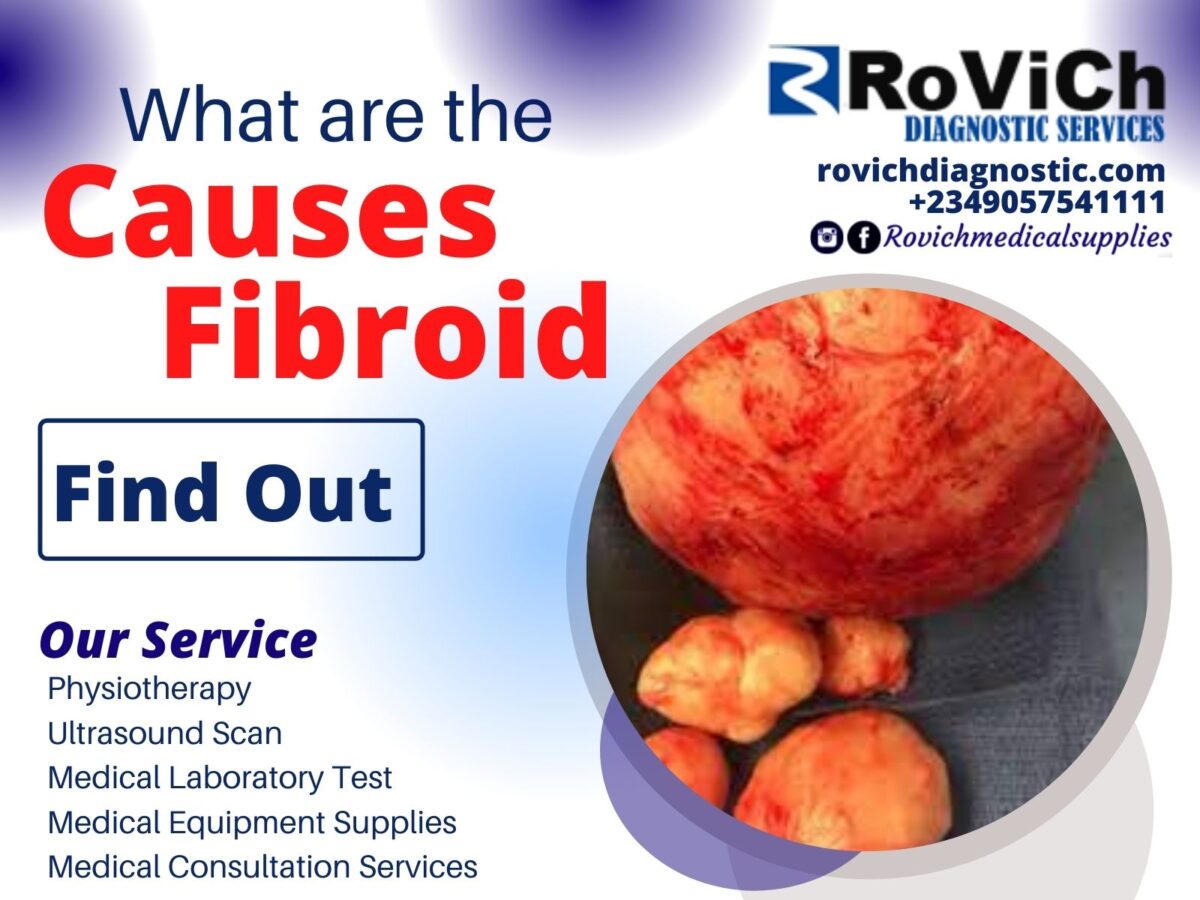
Fibroids are abnormal growths that develop in or on a woman’s uterus. Sometimes these tumors become quite large and cause severe abdominal pain and heavy periods. In other cases, they cause no signs or symptoms at all. The growths are typically benign, or non-cancerous. Uterine fibroids are benign lumps that grow on the uterus. Symptoms may include heavy periods, cramping, painful sex, and an urge to urinate. Treatment options include hysterectomy, embolization, and hormone therapy. If large enough, they may push on the bladder causing a frequent need to urinate. They may also cause pain during sex or lower back pain. A woman can have one uterine fibroid or many occasionally, fibroids may make it difficult to become pregnant, although this is uncommon.  The exact cause of uterine fibroids is unclear. However, fibroids run in families and appear to be partly determined by hormone levels. Risk factors include obesity and eating red meat. Diagnosis can be performed by pelvic examination or medical imaging. Treatment is typically not needed if there are no symptoms. NSAIDs, such as ibuprofen, may help with pain and bleeding while paracetamol (acetaminophen) may help with the pain. Iron supplements may be needed in those with heavy periods. Medications of the gonadotropin-releasing hormone agonist class may decrease the size of the fibroids but are expensive and associated with side effects. If greater symptoms are present, surgery to remove the fibroid or uterus may help. Uterine artery embolization may also help. Cancerous versions of fibroids are very rare and are known as leiomyosarcomas. They do not appear to develop from benign fibroids.

About 20% to 80% of women develop fibroids by the age of 50. In 2013, it was estimated that 171 million women were affected worldwide. They are typically found during the middle and later reproductive years. After menopause, they usually decrease in size. In the United States, uterine fibroids are a common reason for surgical removal of the uterus.

    causes of fibroid                                                      

Types of fibroids                                                                                       

The type of fibroid a woman develops depends on its location in or on the uterus.

Intramural fibroids                                                                                                                                                 

Intramural fibroids are the most common type of fibroid. These types appear within the muscular wall of the uterus. Intramural fibroids may grow larger and can stretch your womb.

 Subserosal fibroids                       

Subserosal fibroids form on the outside of your uterus, which is called the serosa. They may grow large enough to make your womb appear bigger on one side.

 Pedunculated:  subserosal tumors can develop a stem, a slender base that supports the tumor. When they do, they’re known as pedunculated fibroids.

Sub mucosal:  types of tumors that develop in the middle muscle layer, or myometrium, of your uterus. Sub mucosal tumors aren’t as common as the other types

causes of fibroid

 Causes of Fibroid                                                                                         

It’s unclear and unknown why fibroids develop, but several factors may influence their formation such as written below.

Hormones                                                                                                                               

Estrogen and progesterone are the hormones produced by the ovaries. They cause the uterine lining to regenerate during each menstrual cycle and may stimulate the growth of fibroids.

causes of fibroid 

Family history                                                                                                                                                   

Fibroids may run in the family. If your mother, sister, or grandmother has a history of this condition, you may develop it as well. Pregnancy increases the production of estrogen and progesterone in your body. Fibroids may develop and grow rapidly while you’re pregnant.

Treatment of fibroid                                                                                                                                       

Your doctor will develop a treatment plan based on your age, the size of your fibroids, and your overall health. You may receive a combination of treatments. Certain home remedies and natural treatments can have a positive effect on fibroids, including acupuncture, yoga massage, applying heat for cramps (avoid heat if you experience heavy bleeding)

ALTERNATELY:  Dietary changes can help as well. Avoid meats and high-calorie foods. Instead, opt for foods high in flavonoids, green vegetables, green tea, and cold-water fish such as tuna or salmon. Managing your stress levels and losing weight if you’re overweight can also benefit women with fibroids.

Medications to regulate your hormone levels may be prescribed to shrink fibroids. Gonadotropin-releasing hormone (GnRH) agonists, such as leuprolide (Lupron), will cause your estrogen and progesterone levels to drop. This will eventually stop menstruation and shrink fibroid. GnRH antagonists also help to shrink fibroids. They work by stopping your body from producing follicle-stimulating hormone (FSH) and luteinizing hormone (LH). Examples include:

  • ganirelix acetate, an injectable drugs
  • cetrorelix acetate (Carotids), an injectable drug
  • Elagolix, which is present in the oral drug elagolix/estradiol/norethindrone acetate (Oriahnn). Other options that can help control bleeding and pain, but won’t shrink or eliminate fibroids, include:
  • an intrauterine device (IUD) that releases the hormone progestin
  • Over-the-counter (OTC) anti-inflammatory pain relievers, such as ibuprofen (Advil)

Surgery: Surgery to remove very large or multiple growths may be performed. This is known as a myomectomy. An abdominal myomectomy involves making a large incision in the abdomen to access the uterus and remove the fibroids. The surgery can also be performed laparoscopically, using a few small incisions into which surgical tools and a camera are inserted. Fibroids might grow back after surgery. If your condition worsens, or if no other treatments work, your physician may perform a hysterectomy. However, this means that you won’t be able to bear children in the future.

best diagnostic centres in abuja

Frequently ask question on Causes of Fibroid                                                                                                                 

 Who is at risk of fibroids?:                                                                                                                                

Women are at greater risk for developing fibroids if they have one or more of the following risk factors:

  • Pregnancy
  • a family history
  • Age of 30 or older
  • African-American
  • a high body weight What are the symptoms of fibroids?

Your symptoms will depend on the number of tumors you have as well as their location and size. For instance, sub mucosal fibroids may cause heavy menstrual bleeding and trouble conceiving. If your tumor is very small or you’re going through menopause, you may not have any symptoms. Fibroids may shrink during and after menopause. This is because women undergoing menopause are experiencing a drop in their levels of estrogen and progesterone, hormones that stimulate fibroid growth.

 Symptoms of Causes of Fibroid may include:

Heavy bleeding between or during your periods that includes

  • Blood cloth
  • Pain in the pelvis or lower back
  • Increased menstrual cramping
  • Increased urination
  • Pain during intercourse
  • Menstruation that lasts longer than usual
  • Pressure or fullness in your lower abdomen
  • Swelling or enlargement of the abdomen


Conclusion                                                                                           

Uterine fibroid is a common concern in women at fertile age causing multiple bleeding and pain symptoms which can have a negative impact on different aspects of women’s life. Therefore early detection and early treatment through neither surgery nor medication remain the paramount treatment for fibroid.

Hope this was helpful, for more information on Causes of Fibroid and how to deal with them contact Rovich Diagnostics services

How to reduce high blood pressure


Blue-Controller-Faux-OrganicAbstract-Technology-Gaming-Facebook-Shops-Cover-4-1200x900.png
22/Sep/2021

Best medical technology

How to reduce high blood pressure

The very important thing about human life is good healthy living. Indeed, technology has come to stay as it’s probably changed how you stay in touch with family and friends, purchase goods and services, and even search for information about health problems. Technology or telehealth tools are available to help you manage your health care and receive the services you need to stay healthy and strong. 

What are technology and health?

 Before we dive in too far, let’s define what health information technology actually is. In the broadest sense, Health and technology are simply known as telehealth which is referred to as HIT in the medical field. Telehealth is the use of digital analysis or detection of body deformations and information technologies for proper data taken of any health problem, such as computers scanners, x-ray machine scanners, and mobile devices, to access health care services remotely and manage your health conditions. These may be technologies you use from home or that your doctor uses to improve or support health care services at hospitals. health technology deals with information and data gathering which are mostly used by medical practitioners to solve complicate health issues. Health information technology or HIT refers to a system designed to store, share, and analyze the data collected in any healthcare facility. It could be private as well as public clinics, hospitals, and doctor’s private chambers. It also collects, organizes, and manages patients’ electronic medical records. 


Technology is the sole power force of our modern world as it has simply come to stay. Interestingly, technology is always improving and expanding its importance in our lives. All manner of technology can be found around us, From our personal laptops, tablets, and phones, smart wristwatches, iPods to behind-the-scenes technology that furthers medicine, science, and education. As each new technology enters the scene, it has the potential to improve lives. But, in some cases, it also has the potential to negatively affect physical and emotional health.

Types of Best medical technology use in healthcare  

The role of technology within our daily lives is increasing rapidly. We use the internet to buy new clothes, get in touch with old friends – or make new ones. Many people use technology to support their health as well. This is called eHealth – the use of information and communication technology to support health, wellbeing, and healthcare. The goals of telehealth also called e-health or m-health (mobile health), include the following:

  • Make health care accessible to people who live in rural or isolated communities.
  • Make services more readily available or convenient for people with limited mobility, time, or transportation options.
  • Provide access to medical specialists.
  • Improve communication and coordination of care among members of a health care team and a patient.
  • Provide support for self-management of health care.

The following examples of telehealth medical technology services may be beneficial for your health care problems.

best diagnostic centres in abuja

Wearable Technology

The wearable medical device is a kind of technology device that collects data, which helps doctors and patients alike monitor and assess the health condition of the wearer.

In addition to devices alert authorities about serious medical issues, there are very popular wearables like wristbands and watches that are allowing users to take an active role in their health. 


Nanomedicine technology  

Nanomedicine is the medical application of nanotechnology, that operates on the atomic, molecular, or supramolecular scale. For something of such a small size, the potential is huge: nanomedicine has applications in imaging, sensing, diagnosis, and delivery through medical devices.


Mobile Health

This technology is freeing traditional healthcare devices from all the wires and cords. By using this technology, a doctor or physician can check a patient’s health report while on the go. And for the patient, it has become much easier since he or she no longer needs to visit a medical center for a basic medical check-up. All the information can be gathered using the sensors available on their smartphones and conveniently uploaded to the hospital app. By utilizing this data, doctors can give medical advice via a video chat or a normal phone call.

Eye problem in Nigeria

Self-service 

This is almost similar to portal technology and enables patients to get a lot more done in less time. For example with a self-service kiosk, a patient can effectively complete their entire registration without ever interacting with hospital staff. This technology not only makes tasks much faster and efficient, but it is also helping hospitals to save on staff costs. A self-service kiosk is a one-time investment that definitely helps save a lot of time and money in the long run.

Virtual Reality

Virtual Reality (VR) is being used more and more in healthcare and healthcare professionals and their patients really seem to like it. Virtual reality is used in medical settings, for example, to help relieve pain in children by having them swim with dolphins during or after painful medical procedures. It’s also suitable for helping people overcome their fears since a VR environment can feel very real. An example of this is the treatment of people with a fear of flying by exposing them to a flight in a VR environment.


Advantages of the Best medical technology on health 

  • Improving patient care and experience 

Using technology for patient education and care relied primarily on written materials about disease processes, medication, medical management, and self-care instruction guidelines. Today, the Internet and mobile technology have made health information available to patients anywhere. The whole system of patient care gives health organizations a big-picture view of how they’re performing. Technology also helps to automate that measurement so organizations can continuously review their results, spot issues that need to be fixed, and uncover ways to enhance care and the patient experience.


  • Communication 

There is a device made for patients in contacting the doctors or nurses for emergency purposes, These kinds of digital devices are made for patients who are placed in the patient’s rooms or wards in hospitals. In case of emergency, the patients can click the button of these devices to informs the doctors or nurses on time to come for the patient rescue.

This is one of the main advantages of technology for patients and doctors. With this kind of device, without wasting time the doctor can reach the patients and save their lives.

Federal Hospital

  • Real-time information exchange

From clinicians to patients to payers, many different groups need to be able to access health records for different reasons. Traditionally, organizations have had to maintain different records for each group. But with new technology that makes it easier for digital patient records to be standardized and stored securely, more organizations are integrating their data so that authorized people can access the records they need at the time they need them.


  • Flexibility for patients and clinicians

Patients are busy and finding time for appointments can be a struggle. Telemedicine technology and patient portals provide more ways for people to communicate with health professionals. Wearable technology, like heart monitors, also gives clinicians more ways to evaluate the well-being of their patients and provides them with more options to record and evaluate symptoms as patients go about their lives.


Disadvantages of technology on health 

use of technology can also have negative repercussions on physical health causing,


  • vision problems: 

According to the Optometrist, prolonged use of computers, tablets, and cellphones can lead to digital eye strain. To follow this rule, try to take a 20-second break every 20 minutes to look at something that’s 20 feet away. 


  • Increased Cost of the Treatment for the Patients


Most patients that are treated by surgeries through technology means are very costly, like robotic surgery, and other kinds of surgeries or diagnoses with technological machines are very expensive due to the cost of maintenance and implementation.

And most of the patients belong to rural areas and they are poor. For poor patients, it’s impossible to pay for costly surgeries.

Best medical technology

  • Sleep problems

Technology in the bedroom can interfere with sleep in a number of ways.

A study demonstrated that exposure to the blue light that devices emit can suppress melatonin and interrupt your circadian clock. Both of these effects can make it harder to fall asleep and result in you being less alert in the morning.

Having electronic devices in the bedroom places temptation at your fingertips, and it can make switching off more difficult. That, in turn, can make it harder to drift off when you try to sleep.


  • Prediction of the wrong result for patient condition 

Sometimes the machinery or technological devices show the wrong result of sick patients to the doctor which accidentally could cause wrong medication and prescription of drugs. 

The technological machines are made by engineers and programmers. Sometimes the errors and bugs come into it. Then it didn’t work properly.

If it shows the wrong result and the doctor gives the wrong diagnosis to the patient then it takes the patient’s life into danger.

This is one of the most dangerous cons of medical technology for the patients

How to leave Healthy in a toxic environment

  • Musculoskeletal problems

The position when using your smartphone creates a chance of you holding your head in an unnatural forward-leaning position. This position puts a lot of stress on your neck, shoulders, and spine. A clear study of the Nigerian Association of resident doctors found out that a musculoskeletal problem is caused as a result of self-reported addiction to smartphone use and neck problems.

An earlier study found that among teens, neck-shoulder pain and low back pain rose during the 1990s at the same time that the use of information and communication technology was increasing.

Overuse of technology can also lead to repetitive strain injuries of the fingers, thumbs, and wrists.

If you’re feeling the pain of technology, you can take the following steps to reduce these issues:

  • take frequent breaks to stretch
  • create an ergonomic workspace
  • maintain proper posture while using your devices

If pain persists, see a doctor.


  • Time-Consuming in Recovery

The technological machines which are used in the hospital for treatments and checkups of the patients are made by engineers and programmers. If there come some kind of faults and errors fixing it will require an expert that has the technical knowledge of how the machine works because the doctors or medical practitioners didn’t have the knowledge of recovering and fixing that machine. It required a specific person who has knowledge of it or the engineers who made it can fix it. Therefore this will consume a lot of time fixing and recovering the machines.

Best medical technology

Areas where technology are used in healthcare 


We have various types of technology use in health care, From massive diagnostic imaging scanners to tiny wearable sensors, technology is an integral part of modern healthcare. In addition to new treatments and medical procedures, technology has improved many healthcare business processes as well. Many people have come to enjoy the conveniences of scheduling appointments online, accessing test results and records with just a few clicks, or sending questions to their providers through email or text.

Below are few examples of the areas in which healthcare technology innovations are supporting the next wave of advances in healthcare:

Disease diagnosis and treatment

Using AI to process data, like medical images, and develop disease models can potentially help clinicians make diagnoses with more precision. For example, recent work from IBM Research has shown that AI can be used to recognize and interpret brain activity patterns in MRIs to track the progression of neurodegenerative illnesses, such as Huntington’s disease.


Best medical technology Medical imaging

Computers and AI models are particularly valuable in medical imaging because they can help turn pictures into numbers and detect trends. These innovations can help radiologists and other clinicians manage the incredibly large volume of images they have to review by identifying high-value findings and bringing anomalies to their attention.


Best medical technology  Healthcare operations

Many hospitals and healthcare systems are starting to build on improvements they’ve seen with electronic medical records and find other ways to systematically improve their operations. Cloud technology, analytics, and mobile technology are just a few of the technologies organizations are using to optimize their digital infrastructure.


Best medical technology  Clinical research

Life sciences organizations are using technology to transform how clinical trials are being performed. Smart devices, telehealth visits, and sensors are being used to support decentralized trials that make data collection more efficient and convenient for the people who participate.

Best medical technology

Frequently asked question FAQs


Question 1

Can technology damage the cells in the human body?


Answer 

The lasers in technology can damage the cells of the body. It can damage some internal organs in our body, due to its high level of laser rays which is very harmful.


Question 2

What are the dangers of using technology for self-medication?


Answer 

There is no danger in using technology for self-medication, the only problem is when you don’t understand the medical terminologies used in directing you when taking self-medication it will cause mistreatment or overdoes of it which will result in death. 


Question 3

Is it advisable to use the herbal medication after using English medication? 


Answer 

This is done according to the doctor’s instruction, as not all illnesses can be cured with English medicine. 


Conclusion 

In conclusion, hospitals and medical institutions now regularly use many advanced technologies to help you get better soon while also significantly reducing the associated costs. With the help of technology, you can get your diagnosis done from the comfort of your own home and only come to the center for urgent needs, reducing the time needed for diagnosis and speeding up the ability of medical personnel to respond to emergencies. Whether or not changes in our behavior due to technology use classify as a disorder, there is no denying that technology is affecting the way our minds operate. The telehealth information technology system is the future of healthcare centers. Despite that, many hospitals are skeptical about adopting this new technology because of its high cost and implementation process. 

Once you decide to implement, an institute may undergo a drastic change. The initial process may seem complicated, but we guarantee that the outcomes will be worth every effort. 

To conclude, we hope that this article will help you narrow down your search on different types of healthcare management information systems.

Best medical technology

Hope this was helpful for more information or how to get the best technology for Medicals and Health contact Us Rovich Diagnostics Services


Blue-Controller-Faux-OrganicAbstract-Technology-Gaming-Facebook-Shops-Cover-29-1200x900.jpg
20/Sep/2021

How to reduce high blood pressure


INTRODUCTION

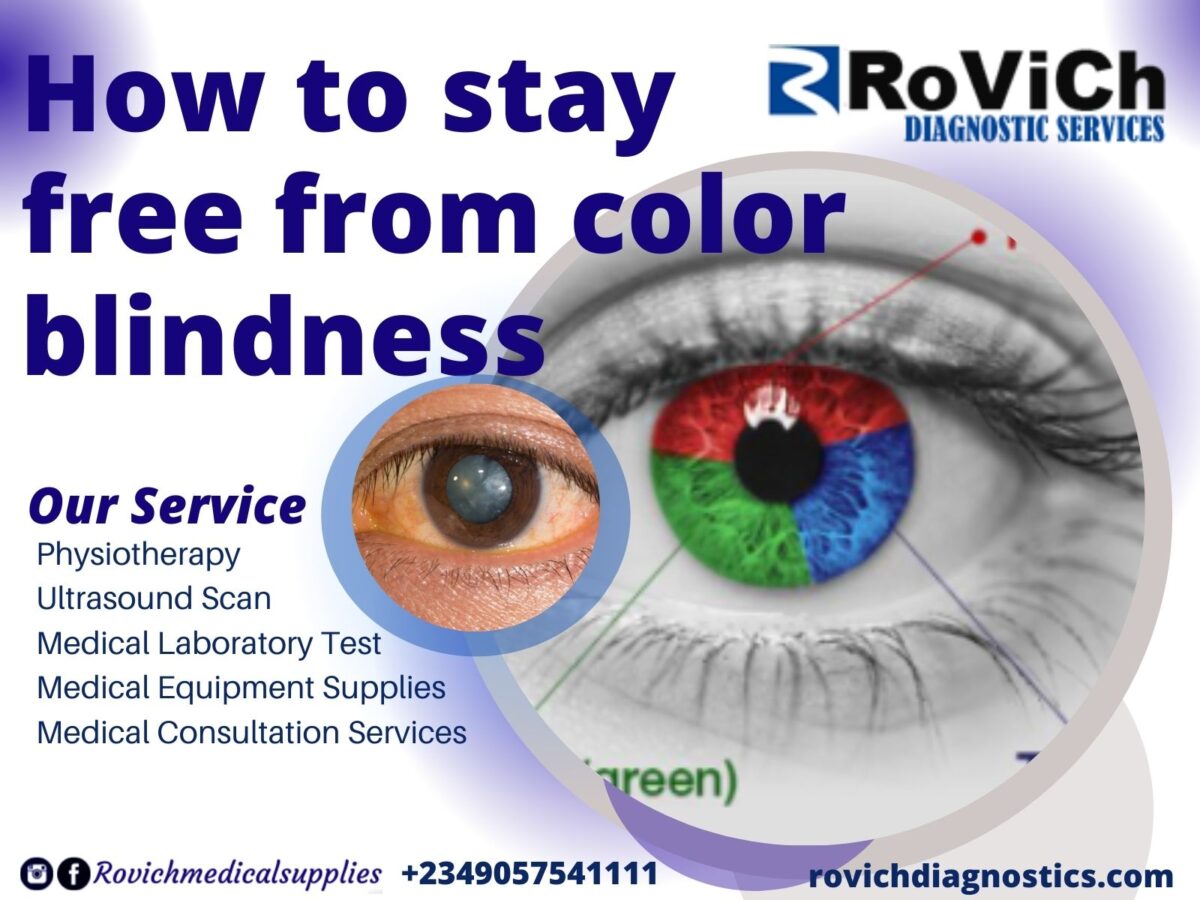
Color blindness (color vision deficiency) is the decreased ability to see color or differences in color. It can impair tasks such as selecting ripe fruit, choosing clothing, and reading traffic lights. Color blindness may make some educational activities more difficult. However, problems are generally minor, and most color-blind people adapt. People with total color blindness (achromatopsia) may also be uncomfortable in bright environments and have decreased visual acuity. The most common cause of color blindness is an inherited problem in the development of one or more of the three sets of the eyes’ cone cells, which sense color. Among humans, males are more likely to be color blind than females, because the genes responsible for the most common forms of color blindness are on the X chromosome. Females have two X chromosomes, so a defect in one is typically compensated for by the other. Non-color-blind females can carry genes for color blindness and pass them on to their children. Males only have one X chromosome and therefore always express the genetic disorder if they have the recessive gene. Color blindness can also result from physical or chemical damage to the eye, the optic nerve, or parts of the brain. Diagnosis is typically with the Ishihara color test; other methods include genetic testing. There is no cure for color blindness. Diagnosis may allow a person’s teacher to change the teaching method to accommodate the condition. Special lenses such as X-chrome lenses may help people with red–green color blindness in bright light Mobile apps can help people identify colors. Red–green color blindness is the most common form, followed by blue–yellow color blindness and total color blindness Red–green color blindness affects up to 8% of males and 0.5% of females of Northern European descent.

Best diagnostic Centres in Abuja

The ability to see color also decreases in old age. In certain countries, color blindness may make people ineligible for certain jobs, such as those of aircraft pilots, train drivers, crane operators, and people in the armed forces. The effect of color blindness on artistic ability is controversial. The ability to draw appears to be unchanged, and a number of famous artists are believed to have been color blind.

    best diagnostic centres in abuja                         

Diseases/causes of colour blindness                                                       

Diseases

Color blindness can also happen if your eyes or the part of your brain that helps you see color gets damaged.

This can be caused by:                                                                                 

Eye diseases, like glaucoma or macular degeneration Brain and nervous system diseases, like Alzheimer’s or multiple sclerosis                 

Some medicines, like Plaquenil (a rheumatoid arthritis medicine) Eye or brain injuries Your color vision may also get worse as you get older, especially if you get a cataract [ a cloudy area on your eye].


Causes                                                                                                                                              

The most common kinds of color blindness are genetic, meaning they’re passed down from parents. If your color blindness is genetic, your color vision will not get any better or worse over time.  You can also get color blindness later in life if you have a disease or 


HOW TO STAY FREE FROM COLOUR BLINDNESS                                                                                                                                            

Usually, color blindness runs in families. There’s no cure, but special glasses and contact lenses can help. Most people who are color blind are able to adjust and don’t have problems with everyday activities.

Best diagnostic Centres in Abuja                                                

Frequently ask question

  • Can I correct my color blindness? -:   No. Neither glasses nor lenses or any other tools can correct it. But some of them may shift your spectrum of color sensation. How 
  • Do people get color vision deficiency ?-:    Most people are born with it (congenital). The most common forms of congenital defective color vision, the red-green deficiencies, are due to sex-linked X chromosomes and simple recessive hereditary traits. Men are mainly affected because women have two X chromosomes and men have only one X and a Y chromosome. If a man’s one X chromosome is color defective he will be color deficient, whereas , a woman must inherit two color defective X chromosomes to be color deficient. For a woman to be color deficient, her father must be colorblind and her mother colorblind or be a carrier. All possible patterns of inheritance of any one of these color defects are shown here.                        

         best diagnostic centres in abuja

conclusion                                                                                                            

Color blindness is a mild disability when one of your cones is missing. This causes irregular vision compared to normal people. As it may shrink your range of visible spectrum, it may also change how the color looks. Color blindness may change your life, because of a slightly shrunken employment list, but many people face their problems and change their daily ways slightly and are able to deal with color blind. It won’t affect your life greatly, because some people don’t notice their color blind until they go to an eye doctor, or don’t notice for the rest of their lives!

Best diagnostic Centres in Abuja

Hope this was helpful, for more updates and info contact Rovich Diagnostics Services 


Blue-Controller-Faux-OrganicAbstract-Technology-Gaming-Facebook-Shops-Cover-27-1200x900.jpg
10/Sep/2021

How to reduce high blood pressure

How to reduce high blood pressure

INTRODUCTION TO HOW TO REDUCE HIGH BLOOD PRESSURE

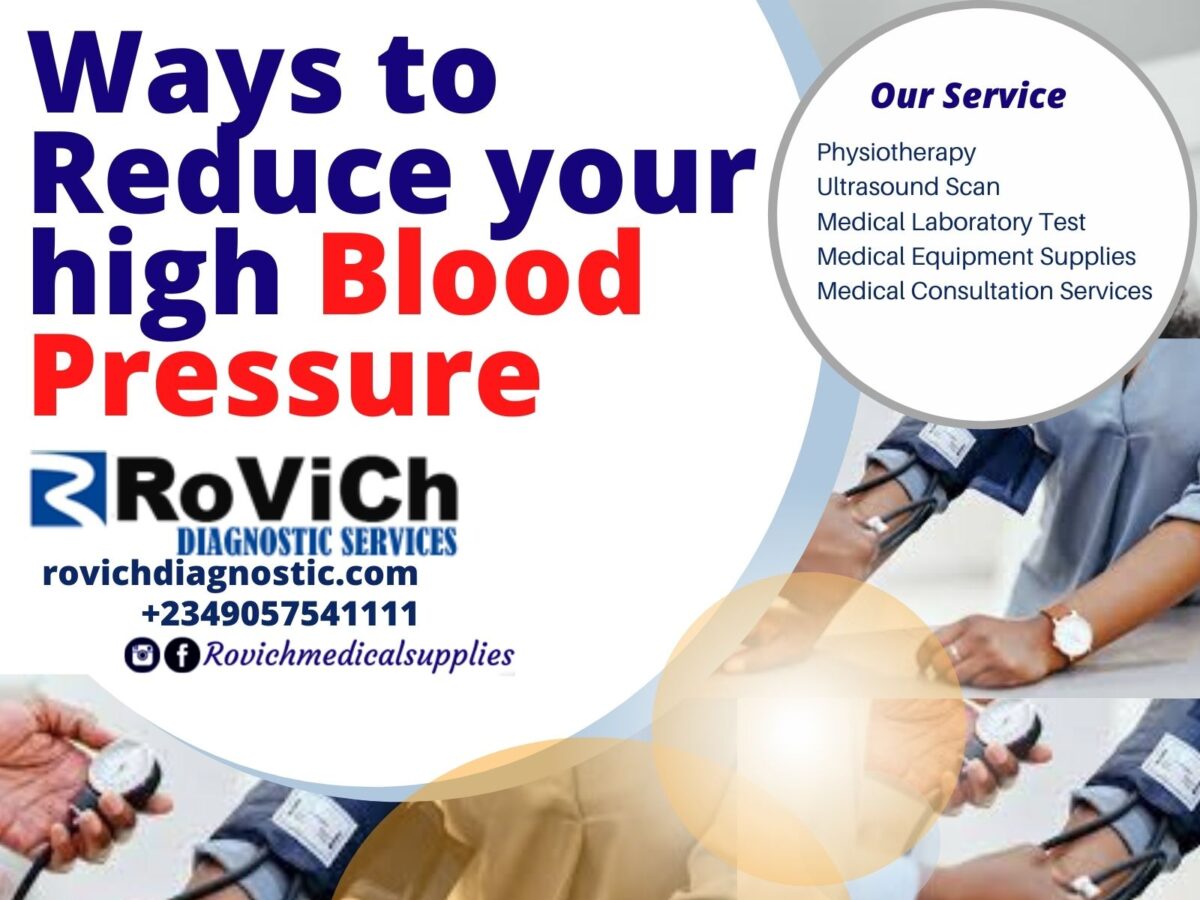
Hypertension (HTN or HT), also known as high blood pressure (HBP), is a long-term medical condition in which the blood pressure in the arteries is persistently elevated. High blood pressure typically does not cause symptoms. Long-term high blood pressure, however, is a major risk factor for stroke, coronary artery disease, heart failure, atrial fibrillation, peripheral arterial disease, vision loss, chronic kidney disease, and dementia

High blood pressure is classified as primary (essential) hypertension or secondary hypertension. About 90–95% of cases are primary, defined as high blood pressure due to nonspecific lifestyle and genetic factors. Lifestyle factors that increase the risk include excess salt in the diet, excess body weight, smoking, and alcohol use.  The remaining 5–10% of cases are categorized as secondary high blood pressure, defined as high blood pressure due to an identifiable cause, such as chronic kidney disease, narrowing of the kidney arteries, an endocrine disorder, or the use of birth control pills.

Blood pressure is classified by two measurements, the systolic and diastolic pressures, which are the maximum and minimum pressures, respectively. For most adults, normal blood pressure at rest is within the range of 100–130 millimeters mercury (mmHg) systolic and 60–80 mmHg diastolic. For most adults, high blood pressure is present if the resting blood pressure is persistently at or above 130/80 or 140/90 mmHg. Different numbers apply to children. Ambulatory blood pressure monitoring over a 24-hour period appears more accurate than office-based blood pressure measurement.

rovich medical supplies

Lifestyle changes and medications can lower blood pressure and decrease the risk of health complications. Lifestyle changes include weight loss, physical exercise, decreased salt intake, reducing alcohol intake, and a healthy diet. If lifestyle changes are not sufficient, then blood pressure medications are used. Up to three medications taken concurrently can control blood pressure in 90% of people. The treatment of moderately high arterial blood pressure (defined as >160/100 mmHg) with medications is associated with an improved life expectancy. The effect of treatment of blood pressure between 130/80 mmHg and 160/100 mmHg is less clear, with some reviews finding benefit and others finding unclear benefit. High blood pressure affects between 16 and 37% of the population globally. In 2010 hypertension was believed to have been a factor in 18% of all deaths (9.4 million globally).

The causes of high blood pressure

In about 1 in 20 cases, high blood pressure happens as the result of an underlying health condition or taking certain medications.

Health conditions that can cause high blood pressure include:

  • kidney disease
  • diabetes
  • long-term kidney infections
  • obstructive sleep apnoea – where the walls of the throat relax and narrow during sleep, interrupting normal breathing
  • glomerulonephritis – damage to the tiny filters inside the kidneys
  • narrowing of the arteries supplying the kidneys
  • hormone problems – such as an underactive thyroid, an overactive thyroid, Cushing’s syndrome, acromegaly, increased levels of the hormone aldosterone (hyperaldosteronism), and phaeochromocytoma
  • lupus – a condition in which the immune system attacks parts of the body, such as the skin, joints, and organs
  • scleroderma – a condition that causes thickened skin, and sometimes problems with organs and blood vessels.
  • Others are inactivity, poor diet, obesity, older age, and genetics.

Medicines that can increase your blood pressure include:

  • the contraceptive pill
  • steroids
  • non-steroidal anti-inflammatory drugs (NSAIDs) – such as ibuprofen and naproxen
  • some pharmacy cough and cold remedies
  • some herbal remedies – particularly those containing liquorice
  • some recreational drugs – such as cocaine and amphetamines
  • some selective serotonin-noradrenaline reuptake inhibitor (SSNRI) antidepressants – such as venlafaxine

In these cases, your blood pressure may return to normal once you stop taking the medicine or drug.

rovich medical supplies

 Factors that can increase the risk of high blood pressure

You might be more at risk if you:

  • are overweight
  • eat too much salt and do not eat enough fruit and vegetables
  • do not do enough exercise
  • drink too much alcohol or coffee (or other caffeine-based drinks)
  • smoke
  • do not get much sleep or have disturbed sleep
  • are over 65
  • have a relative with high blood pressure
  • are of black African or black Caribbean descent
  • live in a deprived area

Making healthy lifestyle changes can sometimes help reduce your chances of getting high blood pressure and help lower your blood pressure if it’s already high.

Effect of high blood pressure

If blood pressure is too high for too long, it can cause serious damage to the blood vessels. This damage can result in a range of complications, some of which can be life-threatening. They include heart failure, vision loss, stroke, kidney disease, and other health problems.

Treatment of blood pressure

  • Lose extra pounds and watch your waistline. …
  • Exercise regularly. …
  • Eat a healthy diet. …
  • Reduce sodium in your diet. 
  • Limit the amount of alcohol you drink. …
  • Quit smoking. …
  • Cut back on caffeine. …
  • Reduce your stress

Frequently ask question                                                                                         

1. What Is Systolic and Diastolic Blood Pressure?

The blood pressure reading is measured in millimeters of mercury (mmHg) and is written as systolic pressure, the force of the blood against the artery walls as your heart beats, over diastolic pressure, the blood pressure between heartbeats. For example, a blood pressure reading is written as 120/80 mmHg, or “120 over 80”. The systolic pressure is 120 and the diastolic pressure is 80.

2. What Is a Normal Blood Pressure?

The Joint National Committee on Prevention, Detection, Evaluation, and Treatment of High Blood Pressure has classified blood pressure measurements into several categories:

  • Normal blood pressure is systolic pressure less than 120 and diastolic pressure less than 80 mmHg.
  • Elevated is a systolic pressure of 120-129 and diastolic pressure less than 80 mmHg.
  • Stage 1 Hypertension is a systolic pressure of 130-139 or a diastolic pressure of 80-89 mmHg.
  • Stage 2 Hypertension is a systolic pressure of 140 or greater or a diastolic pressure of 90 or greater.

How to reduce high blood pressure

Conclusion 

Hypertension is a very serious disorder in aged people and is associated with a higher risk of cardiovascular morbidity and mortality. The fact of reducing blood pressure values decreases the risk for cardiac death as well as neurological, metabolic, and musculoskeletal system sequelae in aged people. 

Therefore it is advised that people especially the aged ones should always embark on a routine checkup to monitor their blood pressure in order to be healthy.

Hope this was helpful, for more information on Health and How to reduce high blood pressure contact Us Rovich Diagnostics Services


Blue-Controller-Faux-OrganicAbstract-Technology-Gaming-Facebook-Shops-Cover-26-1200x900.jpg
09/Sep/2021

Why we need sleep

Since the creation of humans, God has designed a time set aside for the body to rest and regain consciousness which we know as sleep. It might interest you to know that Scientists have gone to great lengths to fully understand sleep’s benefits. In studies of humans and other animals, they have discovered that sleep plays a critical role in immune function, metabolism, memory, learning, and other vital functions. The features in this section explore these discoveries and describe specific ways in which we all benefit from sleep.

Best place for diabetes Diagnosis

What does sleep mean and why we need sleep?

The natural condition or state at which a being stops existing at a particular time with the eyes closed but its respiratory system is still functioning actively with the absence of not been awake and aware of things happening around your surroundings which is to be in the state of rest. It is distinguished from wakefulness by a decreased ability to react to stimuli, but more reactive than a coma or disorders of consciousness, with sleep displaying different, active brain patterns.

During sleep, most of the body’s systems are in an anabolic state, helping to restore the immune, nervous, skeletal, and muscular systems, these are vital processes that maintain mood, memory, and cognitive function, and play a large role in the function of the endocrine and immune systems. Sleep occurs at a period of time in which the body alternates between two distinct modes, REM sleep, and non-REM sleep. Although REM stands for “rapid eye movement”, this mode of sleep has many other aspects, including virtual paralysis of the body. A well-known feature of sleep is the dream, an experience typically recounted in narrative form, which resembles waking life while in progress, but which usually can later be distinguished as fantasy. 

Types of sleep 

Humans may suffer from various sleep disorders, including dyssomnias such as insomnia, hypersomnia, narcolepsy, and sleep apnea; parasomnias such as sleepwalking and rapid eye movement sleep behavior disorder; bruxism; and circadian rhythm sleep disorders. The use of artificial light has substantially altered humanity’s sleep patterns.

Sleep is divided into two broad types which are non-rapid eye movement (non-REM or NREM) sleep and rapid eye movement (REM) sleep. Non-REM and REM sleep are so different that physiologists identify them as distinct behavioral states. Below are the two different types of sleep explained in brief. 

Non-REM sleep or rapid eye movement sleep seems to be how the brain makes sense of the day’s experiences and activities. Your brain takes everything that happened that day and connects it to other memories where you constantly reflect on it during your sleeping time which is called a dream. At this period of transition, your brain activities become slow and body temperature and heart rate fall slowly in a deep sleep. Dreaming is vital to mental health

Rapid eye movement (REM) sleep, also known as paradoxical sleep, represents a smaller portion of total sleep time. It is the main occasion for dreams (or nightmares) and is associated with desynchronized and fast brain waves, eye movements, loss of muscle tone, and suspension of homeostasis.

why we need sleep

Importance of why we need sleep

Rest makes you feel better as it also plays an important role in your physical health which goes way beyond just boosting your mood or banishing under-eye circles. Adequate sleep is a key part of a healthy lifestyle and can benefit your heart, weight, mind, and more. For example, sleep is involved in the healing and repair of your heart and blood vessels. Ongoing sleep deficiency is linked to an increased risk of heart disease, kidney disease, high blood pressure, diabetes, and stroke.

Sleep is essential in the lives of every existing being, on this note having a good sleep helps us to 

  • Archive a balance functional system of the brain cells.
  • It is as important to our bodies as eating, drinking and breathing, 
  • It helps as vital for maintaining good mental and physical health. 
  • Sleeping helps us to recover from memory loss, as it is a means of refreshing the brain.
  • It is so important as it helps to balance blood pressure and circulation. 

Health benefit of sleeping 

Modern life has been so tough which has taken most of the time of humans, in as much as we strive for a better living good healthy body is required as it has to contribute to your wealth.  When it comes to their health, rest is as vital as regular exercise and eating a balanced diet. The benefit of sleep can not be compromised as it is a thing made by nature and its benefit are undoubtedly exceptional. Here are the benefits of sleep.

  • Better sleep raises your testosterone

If you don’t rest enough, your hormone production can shut down. Your body produces most of its testosterone while you are asleep, so your T levels are the highest in the morning and decline towards the night.

Testosterone is vital for both sexes. Women can also have deficient testosterone.

Testosterone improves energy levels, helps you recover after exercise, and gives you more confidence and sexual energy.

  • Lower weight gain risk

A lack of sleep may affect a person’s desire or ability to maintain a healthful lifestyle, but it may or may not be a direct contributor to weight gain. The link between weight gain and obesity and short sleep patterns is not completely clear. When you’re well-rested, you’re less hungry. Being sleep-deprived messes with the hormones in your brain leptin and ghrelin that control appetite.

With those out of balance, your resistance to the temptation of unhealthy foods goes way down. And when you’re tired, you’re less likely to want to get up and move your body. Together, it’s a recipe for putting on pounds.

The time you spend in bed goes hand-in-hand with the time you spend at the table and at the gym to help you manage your weight.

  • Helps to boost mood

You will notice that when you wake up from bed your mood changes with a bright smile, this is one thing that your brain does while you sleep it process your emotions. Your mind needs this time in order to recognize and react the right way. When you cut that short, you tend to have more negative emotional reactions and fewer positive ones.

Best place for diabetes Diagnosis

Chronic lack of sleep can also raise the chance of having a mood disorder. One large study showed that when you have insomnia, you’re five times more likely to develop depression, and your odds of anxiety or panic disorders are even greater.

  • Balanced Blood Sugar level

During the deep, slow-wave part of your sleep cycle, the amount of glucose in your blood drops. Not enough time in this deepest stage means you don’t get that break to allow a reset — like leaving the volume turned up. Your body will have a harder time responding to your cells’ needs and blood sugar levels.

Allow yourself to reach and remain in this deep sleep, and you’re less likely to get type 2 diabetes.

  • Ability to fight germs

To help you ward off illnesses, your immune system identifies harmful bacteria and viruses in your body and destroys them. Ongoing lack of sleep changes the way your immune cells work. They may not attack as quickly, and you could get sick more often.

Good nightly rest now can help you avoid that tired, worn-out feeling, as well as spending days in bed as your body tries to recover.


  • Lower risk of heart disease

One risk factor for heart disease is high blood pressure which according to the Centers for Disease Control and Prevention in the world.

Trusted Source from a medical practitioner says getting adequate rest each night allows the body’s blood pressure to regulate itself, by doing this, the chances of promoting your overall heart health is up to 90% healthy living. 


  • Increases your memory, social and emotional intelligence


Researchers have found that sleep plays an important role in a process called memory consolidation. During sleep, your body may be resting, but your brain is busy processing your day, making connections between events, sensory input, feelings, and memories.

Deep rest is a very important time for your brain to make memories and links, and getting more quality rest will help you remember things better in the long run.

  • Stronger immune system

Sleep regulates your immune system. When you don’t get enough sleep, inflammation can result. You won’t usually notice excess inflammation, but it can have an effect on your body. Chronic inflammation damages the body and increases the risk of many health conditions, including ulcers, dementia, heart disease, and more.

  • Reduces stress 

By taking a good rest, you help your mind and body relax and recover from your day. When you deprive yourself of taking a good rest, your body releases stress hormones. Stress can cause you to react in ways that aren’t productive sometimes making rash decisions or acting out of fear.

Without a good night’s rest, you can end up feeling anxious until you finally get some much-needed rest.

best medical equipment

Best sleeping time 


Most adults need between 7 to 9 hours of sleep per day. Getting less than 6 to 7 hours of sleep for just one night can have an effect on you the next day. And chronically missing out on rest increases the risk of disease. According to the National Sleep Foundation, which updated its sleep recommendations this year, young adults (age 18-25 years) and adults (age 26-64 years) should receive 7 to 9 hours of rest but not less than 6 hours or more than 10 hours (for adults) or 11 hours (for young adults). Older adults (65 years and older) should receive 7 to 8 hours of rest but not less than 5 hours or more than 9 hours.

For children, it is recommended to have a good sleeping time from the analysis stated below, 

  • Newborns (0–3 months): 14–17 hours
  • Infants (4–12 months): 12–16 hours
  • Toddler (1–2 years): 11–14 hours
  • Preschool (3–5 years): 10–13 hours
  • School-age (6–12 years): 9–12 hours
  • Teen (13–18 years): 8–10 hours


Frequently asked questions (FAQs) of Why we need sleep

Question 1

Is there any benefit when we rest naked?


Answer 

Sleeping naked has its benefit as it will help improve your body image. Another study noted that skin-to-skin contact with one’s partner, including during sleep, contributes to the release of oxytocin, which helps you form a deeper bond and is linked to lowering stress levels.


Question 2

Why Do We Rest, Anyway?


Answer 

Scientists aren’t entirely sure why we rest, they have many ideas about the functions of this mysterious part of our lives. While some of these functions may have deep evolutionary roots, others, such as sleep’s potential role in memory and health, seem particularly relevant to life in the 21st century


Question 3

When and how do I get better rest?


Answer 

Usually, the most obvious things are the most effective. Simply going to bed earlier can help you have better sleep and buy using ear pods or pies to listen to music at night can equally help you fall asleep quickly. You won’t fall asleep right away every night, nor will you always stay asleep the whole night, so spending seven or eight hours in bed each night might not be enough.

Try to practice meditation daily. One of the scientific benefits of meditation is how it helps with sleep.

Screens make more of a difference than you might think. The blue light that screens emit tricks your brain into thinking it is still daytime and keeps you up. Stop using screens an hour or two before bed, or better yet, try a social media detox.

Question 4

How much rest do I need to stay healthy?


Answer 

A child between the ages of 0 to 5 needs between 10 to 14 hours of sleep each day, including naps. However, adults typically need 7 hours or more for optimal rest.


Question 5

How does room temperature impact the quality of rest?


Answer 

Yes, it does, but the best room temperature differs for each person. For many people, a room temperature of about 65 to 72 degrees F is considered ideal for the best rest. Higher room temperatures tend to make falling asleep more challenging. Higher temperatures also contribute to more wakefulness, which negatively impacts sleep satisfaction and the feeling that one had adequate rest.

Rovich Diagnostics service

Conclusion

Sleep is a vital, often neglected, component of every person’s overall health and well-being. Rest is important because it enables the body to repair and be fit and ready for another day.

Getting adequate rest may also help prevent excess weight gain, heart disease, and increased illness duration. As the human body is made up of born and flesh, designed to work for a whole day as long as energy can carry it is equally required for the body to have enough rest which is essential for helping a person maintain optimal health and well-being. A lack of sleep at night can make you cranky the next day. And over time, skimping while your body has retired to rest can mess up more than just your morning mood

Hope this was helpful, for more information and updates on health or how you can purchase medical equipment contact Us Rovich Diagnostics Service 

why we need sleep


Blue-Controller-Faux-OrganicAbstract-Technology-Gaming-Facebook-Shops-Cover-25-1200x900.jpg
08/Sep/2021

Best place for diabetes Diagnosis

INTRODUCTION

Diabetes mellitus (DM), commonly known as just diabetes, is a group of metabolic disorders characterized by a high blood sugar level over a prolonged period of time. Symptoms often include frequent urination, increased thirst, and increased appetite. If left untreated, diabetes can cause many health complications. Acute complications can include diabetic ketoacidosis, hyperosmolar hyperglycemic state, or death. Serious long-term complications include cardiovascular disease, stroke, chronic kidney disease, foot ulcers, damage to the nerves, damage to the eyes, and cognitive impairment.

Diabetes is due to either the pancreas not producing enough insulin or the cells of the body not responding properly to the insulin produced. There are three main types of diabetes mellitus. Also is a condition in which blood glucose levels are too high to be considered normal but not high enough to be labeled diabetes. People have prediabetes if their fasting blood glucose level is between 100 mg/dL (5.6 mmol/L) and 125 mg/dL (6.9 mmol/L) or if their blood glucose level 2 hours after a glucose tolerance test is between 140 mg/dL (7.8 mmol/L) and 199 mg/dL (11.0 mmol/L). Prediabetes carries a higher risk of future diabetes as well as heart disease. Decreasing body weight by 5 to 10% through diet and exercise can significantly reduce the risk of developing future diabetes. The three major nutrients that make up most food are carbohydrates, proteins, and fat. Sugars are one of three types of carbohydrates, along with starch and fiber.

There are many types of sugar. Some sugars are simple, and others are complex. Table sugar (sucrose) is made of two simpler sugars called glucose and fructose. Milk sugar (lactose) is made of glucose and a simple sugar called galactose. The carbohydrates in starches, such as bread, pasta, rice, and similar foods, are long chains of different simple sugar molecules. Sucrose, lactose, carbohydrates, and other complex sugars must be broken down into simple sugars by enzymes in the digestive tract before the body can absorb them. Once the body absorbs simple sugars, it usually converts them all into glucose, which is an important source of fuel for the body. Glucose is the sugar that is transported through the bloodstream and taken up by cells. The body can also make glucose from fats and proteins. Blood “sugar” really means blood glucose.

Best place for diabetes diagnosis

TYPES OF DIABETES

Type 1 diabetes:

In type 1 diabetes (formerly called insulin-dependent diabetes or juvenile-onset diabetes), the body’s immune system attacks the insulin-producing cells of the pancreas, and more than 90% of them are permanently destroyed. The pancreas, therefore, produces little or no insulin. Only about 5 to 10% of all people with diabetes have type 1 disease. Most people who have type 1 diabetes develop the disease before age 30, although it can develop later in life.  Scientists believe that an environmental factor—possibly a viral infection or a nutritional factor during childhood or early adulthood—causes the immune system to destroy the insulin-producing cells of the pancreas. A genetic predisposition makes some people more susceptible to environmental factors.

Medical Consultation

Type 2 diabetes:  In type 2 diabetes (formerly called non– insulin-dependent diabetes or adult-onset diabetes), the pancreas often continues to produce insulin, sometimes even at higher-than-normal levels, especially early in the disease. However, the body develops resistance to the effects of insulin, so there is not enough insulin to meet the body’s needs. As type 2 diabetes progresses, the insulin-producing ability of the pancreas decreases. Type 2 diabetes was once rare in children and adolescents but has become more common. However, it usually begins in people older than 30 and becomes progressively more common with age. About 26% of people older than 65 have type 2 diabetes. People of certain racial and ethnic backgrounds are at increased risk of developing type 2 diabetes: blacks, Asian Americans, American Indians, and people of Spanish or Latin American ancestry who live in the United States have a twofold to threefold increased risk as compared with whites. Type 2 diabetes also tends to run in families. Obesity is the chief risk factor for developing type 2 diabetes, and 80 to 90% of people with this disorder are overweight or obese. Because obesity causes insulin resistance, obese people need very large amounts of insulin to maintain normal blood glucose levels. Certain disorders and drugs can affect the way the body uses insulin and can lead to type 2 diabetes.  Examples:  of common states (conditions) that result in impaired insulin use are High levels of corticosteroids (most commonly due to use of corticosteroid drugs or Cushing syndrome Pregnancy (gestational diabetes ) Diabetes also may occur in people with excess production of growth hormone (acromegaly ) and in people with certain hormone-secreting tumors. Severe or recurring pancreatitis and other disorders that directly damage the pancreas can lead to diabetes.

 Contact the Best place for diabetes Diagnosis and find out more Causes of diabetes

Diabetes mellitus is classified into six categories: type 1 diabetes, type 2 diabetes, hybrid forms of diabetes, hyperglycemia first detected during pregnancy, “unclassified diabetes”, and “other specific types”. The “hybrid forms of diabetes” contains slowly evolving, immune-mediated diabetes of adults and ketosis-prone type 2 diabetes. The “hyperglycemia first detected during pregnancy” contains gestational diabetes mellitus and diabetes mellitus in pregnancy (type 1 or type 2 diabetes first diagnosed during pregnancy). The “other specific types” are a collection of a few dozen individual causes. Diabetes is a more variable disease than once thought and people may have combinations of forms. The term “diabetes”, without qualification, refers to diabetes mellitus.

Rovich medical supplies

Type 1

Type 1 diabetes is characterized by loss of the insulin-producing beta cells of the pancreatic islets, leading to insulin deficiency. This type can be further classified as immune-mediated or idiopathic. The majority of type 1 diabetes is of an immune-mediated nature, in which a T cell-mediated autoimmune attack leads to the loss of beta cells and thus insulin. It causes approximately 10% of diabetes mellitus cases in North America and Europe. Most affected people are otherwise healthy and of a healthy weight when onset occurs. Sensitivity and responsiveness to insulin are usually normal, especially in the early stages. Although it has been called “juvenile diabetes” due to the frequent onset in children, the majority of individuals living with type 1 diabetes are now adults. Contact the Best place for diabetes diagnosis Rovich Diagnostics Services 

“Brittle” diabetes, also known as unstable diabetes or labile diabetes, is a term that was traditionally used to describe the dramatic and recurrent swings in glucose levels, often occurring for no apparent reason in insulin-dependent diabetes. This term, however, has no biologic basis and should not be used. Still, type 1 diabetes can be accompanied by irregular and unpredictable high blood sugar levels, and the potential for diabetic ketoacidosis or serious low blood sugar levels. Other complications include an impaired counterregulatory response to low blood sugar, infection, gastroparesis (which leads to erratic absorption of dietary carbohydrates), and endocrinopathies (e.g., Addison’s disease).These phenomena are believed to occur no more frequently than in 1% to 2% of persons with type 1 diabetes

Type 1 diabetes is partly inherited, with multiple genes, including certain HLA genotypes, known to influence the risk of diabetes. In genetically susceptible people, the onset of diabetes can be triggered by one or more environmental factors, such as a viral infection or diet. Several viruses have been implicated, but to date there is no stringent evidence to support this hypothesis in humans. Among dietary factors, data suggest that gliadin (a protein present in gluten) may play a role in the development of type 1 diabetes, but the mechanism is not fully understood.

Type 1 diabetes can occur at any age, and a significant proportion is diagnosed during adulthood. Latent autoimmune diabetes of adults (LADA) is the diagnostic term applied when type 1 diabetes develops in adults; it has a slower onset than the same condition in children. Given this difference, some use the unofficial term “type 1.5 diabetes” for this condition. Adults with LADA are frequently initially misdiagnosed as having type 2 diabetes, based on age rather than a cause. Contact the Best place for diabetes diagnosis Rovich Diagnostics Services 

Best place for diabetes diagnosis

Type 2

Reduced insulin secretion and absorption leads to high glucose content in the blood.

Type 2 diabetes is characterized by insulin resistance, which may be combined with relatively reduced insulin secretion. The defective responsiveness of body tissues to insulin is believed to involve the insulin receptor. However, the specific defects are not known. Diabetes mellitus cases due to a known defect are classified separately. Type 2 diabetes is the most common type of diabetes mellitus. Many people with type 2 diabetes have evidence of prediabetes (impaired fasting glucose and/or impaired glucose tolerance) before meeting the criteria for type 2 diabetes. The progression of prediabetes to overt type 2 diabetes can be slowed or reversed by lifestyle changes or medications that improve insulin sensitivity or reduce the liver’s glucose production.

Type 2 diabetes is primarily due to lifestyle factors and genetics. A number of lifestyle factors are known to be important to the development of type 2 diabetes, including obesity (defined by a body mass index of greater than 30), lack of physical activity, poor diet, stress, and urbanization. Excess body fat is associated with 30% of cases in people of Chinese and Japanese descent, 60–80% of cases in those of European and African descent, and 100% of Pima Indians and Pacific Islanders. Even those who are not obese may have a high waist–hip ratio. Contact the Best place for diabetes diagnosis Rovich Diagnostics Services 

Dietary factors such as sugar-sweetened drinks are associated with an increased risk. The type of fats in the diet is also important, with saturated fat and trans fats increasing the risk and polyunsaturated and monounsaturated fat decreasing the risk.Eating white rice excessively may increase the risk of diabetes, especially in Chinese and Japanese people. Lack of physical activity may increase the risk of diabetes in some people. Adverse childhood experiences (ACEs), including abuse, neglect, and household difficulties, increase the likelihood of type 2 diabetes later in life by 32%, with neglect having the strongest effect.

Best place for diabetes Diagnosis

Gestational diabetes

Gestational diabetes resembles type 2 diabetes in several respects, involving a combination of relatively inadequate insulin secretion and responsiveness. It occurs in about 2–10% of all pregnancies and may improve or disappear after delivery. It is recommended that all pregnant women get tested starting around 24–28 weeks gestation. It is most often diagnosed in the second or third trimester because of the increase in insulin-antagonist hormone levels that occurs at this time. However, after pregnancy approximately 5–10% of women with gestational diabetes are found to have another form of diabetes, most commonly type 2.Gestational diabetes is fully treatable, but requires careful medical supervision throughout the pregnancy. Management may include dietary changes, blood glucose monitoring, and in some cases, insulin may be required. Though it may be transient, untreated gestational diabetes can damage the health of the fetus or mother. Risks to the baby include macrosomia (high birth weight), congenital heart and central nervous system abnormalities, and skeletal muscle malformations. Increased levels of insulin in a fetus’s blood may inhibit fetal surfactant production and cause infant respiratory distress syndrome. A high blood bilirubin level may result from red blood cell destruction. In severe cases, perinatal death may occur, most commonly as a result of poor placental perfusion due to vascular impairment. Labor induction may be indicated with decreased placental function. A caesarean section may be performed if there is marked fetal distress or an increased risk of injury associated with macrosomia, such as shoulder dystocia. Contact the Best place for diabetes diagnosis Rovich Diagnostics Services 


Contact the Best place for diabetes Diagnosis Signs and symptoms of diabetes

The classic symptoms of untreated diabetes are unintended weight loss, polyuria (increased urination), polydipsia (increased thirst), and polyphagia (increased hunger). Symptoms may develop rapidly (weeks or months) in type 1 diabetes, while they usually develop much more slowly and may be subtle or absent in type 2 diabetes.

Several other signs and symptoms can mark the onset of diabetes although they are not specific to the disease. In addition to the known symptoms listed above, they include blurred vision, headache, fatigue, slow healing of cuts, and itchy skin. Prolonged high blood glucose can cause glucose absorption in the lens of the eye, which leads to changes in its shape, resulting in vision changes. Long-term vision loss can also be caused by diabetic retinopathy. A number of skin rashes that can occur in diabetes are collectively known as diabetic dermadromes.

Others are : 

  • Increased thirst
  • Increased urination
  • Increased hunger
  • Blurred vision
  • Drowsiness
  • Nausea
  • Decreased endurance during exercise

When the blood glucose level rises above 160 to 180 mg/dL (8.9 to 10.0 mmol/L), glucose spills into the urine. When the level of glucose in the urine rises even higher, the kidneys excrete additional water to dilute a large amount of glucose. Because the kidneys produce excessive urine, people with diabetes urinate large volumes frequently (polyuria). Excessive urination creates abnormal thirst (polydipsia). Because excessive calories are lost in the urine, people may lose weight. To compensate, people often feel excessively hungry.

Treatment of diabetes

  • Diet
  • Exercise
  • Weight loss
  • Education
  • In type 1 diabetes, insulin injections
  • In type 2 diabetes, often drugs by mouth and sometimes insulin or other drugs by injection

Diet, exercise, and education are the cornerstones of treatment of diabetes and often the first recommendations for people with mild diabetes. Weight loss is important for people who are overweight. People who continue to have elevated blood glucose levels despite lifestyle changes, or have very high blood glucose levels and people with type 1 diabetes (no matter their blood glucose levels) also require drugs. Because complications are less likely to develop if people with diabetes strictly control their blood glucose levels, the goal of diabetes treatment is to keep blood glucose levels as close to the normal range as possible.  Treatment of high blood pressure and high cholesterol levels, which can contribute to circulation problems, can help prevent some of the complications of diabetes as well. A low dose of aspirin taken daily is recommended in people with risk factors for heart disease . All people with diabetes who are between 40 and 75 years are given a statin (a drug to decrease cholesterol levels) regardless of cholesterol levels. People younger than 40 or older than 75 years and with an elevated risk of heart disease also should take a statin. It is helpful for people with diabetes to carry or wear medical identification (such as a bracelet or tag) to alert health care practitioners to the presence of diabetes. This information allows health care practitioners to start life-saving treatment quickly, especially in the case of injury or change in mental status. Diabetic ketoacidosis and hyperosmolar hyperglycemic state are medical emergencies because they can cause coma and death. Treatment is similar for both and centers around giving intravenous fluids and insulin.                                                                                                                                  

Diabetes treatment goals :

  Experts recommend that people keep their blood glucose levels

  • Between 80 and 130 mg/dL (4.4 and 7.2 mmol/L) fasting (before meals)
  • Less than 180 mg/dL (10.0 mmol/L) 2 hours after meals Hemoglobin A1C levels should be less than 7%.

Because aggressive treatment to reach these goals increases the risk that blood glucose might go too low (hypoglycemia ), these goals are adjusted for some people in whom hypoglycemia is particularly undesirable, such as older people. Some other goals are keeping systolic blood pressure less than 140 mm Hg and diastolic blood pressure less than 90 mm Hg. For diabetic people who have heart disease or are at high risk for heart disease, the blood pressure goal is less than 1

30/80 mm Hg.      


General treatment of diabetes contact the Best place for diabetes Diagnosis

People with diabetes benefit greatly from learning about the disorder, understanding how diet and exercise affect their blood glucose levels, and knowing how to avoid complications. A nurse trained in diabetes education can provide information about managing diet, exercising, monitoring blood glucose levels, and taking drugs. People with diabetes should stop smoking and consume only moderate amounts of alcohol (up to one drink per day for women and two for men).   


Diet for people with diabetes                                                                                 

Diet management is very important in people with both types of diabetes mellitus. Doctors recommend a healthy, balanced diet and efforts to maintain a healthy weight. People with diabetes can benefit from meeting with a dietitian or a diabetes educator to develop an optimal eating plan. Such a plan includes avoiding simple sugars and processed foods, increasing dietary fiber, limiting portions of carbohydrate-rich, and fatty foods (especially saturated fats). People who are taking insulin should avoid long periods between meals to prevent hypoglycemia . Although protein and fat in the diet contribute to the number of calories a person eats, only the number of carbohydrates has a direct effect on blood glucose levels. The American Diabetes Association has many helpful tips on diet , including recipes. Even when people follow a proper diet, cholesterol-lowering drugs are needed to decrease the risk of heart disease.       People with type 1 diabetes and certain people with type 2 diabetes may use carbohydrate counting or the carbohydrate exchange system to match their insulin dose to the carbohydrate content of their meal. “Counting” the amount of carbohydrate in a meal is used to calculate the amount of insulin the person takes before eating. However, the carbohydrate-to-insulin ratio (the amount of insulin taken for each gram of carbohydrate in the meal) varies for each person, and people with diabetes need to work closely with a dietician who has experience in working with people with diabetes to master the technique. Some experts have advised use of the glycemic index (a measure of the impact of an ingested carbohydrate-containing food on the blood glucose level) to delineate between rapid and slowly metabolized carbohydrates, although there is little evidence to support this approach. Contact the Best place for diabetes diagnosis Rovich Diagnostics Services                                                                        

Exercise for people with diabetes                                                          

Exercise, in appropriate amounts (at least 150 minutes a week spread out over three days), can also help people control their weight and improve blood glucose levels. Because blood glucose levels go down during exercise, people must be alert for symptoms of hypoglycemia. Some people need to eat a small snack during prolonged exercise, decrease their insulin dose, or both.                      

Weight loss for people with diabetes                                                         

Many people, especially those with type 2 diabetes, are overweight or obese. Some people with type 2 diabetes may be able to avoid or delay the need to take drugs by achieving and maintaining a healthy weight. Weight loss is also important in these people because excess weight contributes to complications of diabetes. When people with diabetes have trouble losing weight with diet and exercise alone, doctors may give weight-loss drugs or recommend bariatric surgery (surgery to cause weight loss). Contact the Best place for diabetes Rovich Diagnostics Services

Prevention of diabetes complications early contact of the Best place for diabetes Diagnosis                                                        

Proper care of feet and regular eye examinations can help prevent or delay the onset of complications of diabetes. People with diabetes are vaccinated against Streptococcus pneumoniae, and doctors usually recommend they receive annual flu vaccination because people with diabetes are at risk of infection.     Drug treatment of diabetes                                                                        

There are many drugs used to treat diabetes . People with type 1 diabetes require insulin injections to lower blood glucose levels. Most people with type 2 diabetes require drugs by mouth to lower blood glucose levels but some also require insulin or other injectable drugs.                                                                        

Monitoring diabetes treatment                                                                 

blood glucose levels is an essential part of diabetes care. Routine blood glucose monitoring provides the information needed to make necessary adjustments in drugs, diet, and exercise regimens. It is potentially harmful to wait until there are symptoms of low or high blood glucose levels to check blood glucose. Contact the Best place for diabetes diagnosis  Rovich Diagnostics Services

Many things cause blood glucose levels to change (contact the Best place for diabetes Diagnosis)                                                                         

Diet                                                                                                                                                      

Exercise                                                                                                                                                                                                                           

Time of the day                                                                                                                                           

stress                                                                                                                                                                                  

illness                                                                                                                                           

drugs                                                                                                                                                

The blood glucose levels may jump after people eat foods they did not realize were high in carbohydrates. Emotional stress, an infection, and many drugs tend to increase blood glucose levels. Blood glucose levels increase in many people in the early morning hours because of the normal release of hormones (growth hormone and cortisol), a reaction called the dawn phenomenon. Blood glucose may shoot too high if the body releases certain hormones in response to low blood glucose levels (Somogyi effect). Exercise may cause the levels of glucose in the blood to fall low. Contact the Best place for diabetes diagnosis Rovich Diagnostics Services                                                                                                   

Monitoring blood glucose levels (Best place for diabetes Diagnosis)                                                                   

Blood glucose levels can be measured easily at home or anywhere. A fingerstick glucose test is most often used to monitor blood glucose. Most blood glucose monitoring devices (glucose meters) use a drop of blood obtained by pricking the tip of the finger with a small lancet. The lancet holds a tiny needle that can be jabbed into the finger or placed in a spring-loaded device that easily and quickly pierces the skin. Most people find that the pricking causes only minimal discomfort. Then, a drop of blood is placed on a reagent strip. The strip contains chemicals that undergo changes depending on the glucose level. The glucose meter reads the changes in the test strip and reports the result on a digital display. Some devices allow the blood sample to be obtained from other sites, such as the palm, forearm, upper arm, thigh, or calf. Home glucose meters are smaller than a deck of cards.                                                                                   

Continuous glucose monitoring (CGM) systems use a small glucose sensor placed under the skin. The sensor measures blood glucose levels every few minutes. There are two types of CGMs, with different purposes:                

types of STI     

Professional                                                                                                                                  

Personal                                                                                                                                   

Professional CGMs collect continuous blood glucose information over a period of time (72 hours to up to 14 days). Health care providers use this information to make treatment recommendations. Professional CGMs do not provide data to the person with diabetes. Contact the Best place for diabetes diagnosis Rovich Diagnostics Services                                                                                                  

Personal CGMs are used by the person and provide real-time blood glucose data on a small portable monitor or on a connected smart phone. Alarms on the CGM system can be set to sound when blood glucose levels drop too low or climb too high, so the device can help people quickly identify worrisome changes in blood glucose. Previously, CGMs required frequent calibration with fingerstick glucose testing. Also their results were not accurate enough so that people always had to do a fingerstick to verify a reading on their CGM before calculating a dose of insulin (for example, before meals or to correct a high blood sugar). However, recent technological advances have improved CGMs and promise to continue doing so for the foreseeable future. They can now be worn for up to 14 days, often do not require calibration, and can be used for insulin dosing without fingerstick glucose confirmation. Finally, there are now systems in which the CGM device communicates with insulin pumps to either stop delivery of insulin when blood glucose is dropping (threshold suspend), or to give daily insulin (hybrid closed loop system). CGM systems are particularly helpful in certain circumstances, such as in people with type 1 diabetes who have frequent, rapid changes in blood glucose (particularly when the glucose levels sometimes go very low), which are difficult to identify with fingerstick testing. Most people with diabetes should keep a record of their blood glucose levels and report them to their doctor or nurse for advice in adjusting the dose of insulin or the oral antihyperglycemic drug. Many people can learn to adjust the insulin dose on their own as necessary. Some people who have mild or early type 2 diabetes that is well-controlled with one or two drugs may be able to monitor their fingerstick glucose levels relatively infrequently. Although urine can also be tested for the presence of glucose, checking urine is not a good way to monitor treatment or adjust therapy. Urine testing can be misleading because the amount of glucose in the urine may not reflect the current level of glucose in the blood. Blood glucose levels can get very low or reasonably high without any change in the glucose levels in the urine.    

Hemoglobin A1C                                                                                           

Doctors can monitor treatment using a blood test called hemoglobin A1C. When the blood glucose levels are high, changes occur in hemoglobin, the protein that carries oxygen in the blood. These changes are in direct proportion to the blood glucose levels over an extended period. The higher the hemoglobin A1C level, the higher the person’s glucose levels have been. Thus, unlike the blood glucose measurement, which reveals the level at a particular moment, the hemoglobin A1C measurement demonstrates whether the blood glucose levels have been controlled over the previous few months. People with diabetes aim for a hemoglobin A1C level of less than 7%. Achieving this level is difficult, but the lower the hemoglobin A1C level, the less likely people are to have complications. Doctors may recommend a slightly higher or lower target for certain people depending on their particular health situation. However, levels above 9% show poor control, and levels above 12% show very poor control. Most doctors who specialize in diabetes care recommend that hemoglobin A1C be measured every 3 to 6 months.           types of STI                                                                                              

Fructosamine                                                                                                

Fructosamine, an amino acid that has bonded with glucose, is also useful for measuring blood glucose control over a period of a few weeks and is generally used when hemoglobin A1C results are not reliable, such as in people who have abnormal forms of hemoglobin.                                                                                        

Pancreas transplantation                                                                             

People with type 1 diabetes sometimes receive transplantation of an entire pancreas or of only the insulin-producing cells from a donor pancreas. This procedure may allow people with type 1 diabetes mellitus to maintain normal glucose levels. However, because immunosuppressant drugs must be given to prevent the body from rejecting the transplanted cells, pancreas transplantation is usually done only in people who have serious complications due to diabetes or who are receiving another transplanted organ (such as a kidney) and will require immunosuppressant drugs anyway.                                                                                          

People with difficulty maintaining blood glucose levels                           

The term brittle diabetes has been used to refer to people who have dramatic recurrent swings in blood glucose levels, often for no apparent reason. However, this term is no longer used. People with type 1 diabetes may have more frequent swings in blood glucose levels because insulin production is completely absent. Infection, delayed movement of food through the stomach, and other hormonal disorders may also contribute to blood glucose swings. In all people who have difficulty controlling blood glucose, doctors look for other disorders that might be causing the problem and also give people additional education on how to monitor diabetes and take their drugs.                                                                           

Contact the Best place for diabetes Diagnosis and see Older people with diabetes                                                                                

Older people need to follow the same general principles of diabetes management—education, diet, exercise, and drugs—as younger people. However, risking hypoglycemia (a low blood glucose level) by trying to strictly control blood glucose levels may actually be harmful for people with multiple medical problems. Managing diabetes can be more difficult for older people. Poor eyesight may make it hard for them to read glucose meters and dose scales on insulin syringes. They may have problems manipulating the syringe because they have arthritis or Parkinson disease or have had a stroke. Contact the Best place for diabetes diagnosis  Rovich Diagnostics Services                   

Education                                                                                                              

In addition to learning about diabetes itself, older people may have to learn how to fit management of diabetes in with their management of other disorders. Learning about how to avoid complications, such as dehydration, skin breakdown, and circulation problems, and to manage factors that can contribute to complications of diabetes, such as high blood pressure and high cholesterol levels, is especially important. Such problems become more common as people age, whether they have diabetes or not.                                                                                     

Diet                                                                                                                                 

Many older people have difficulty following a healthy, balanced diet that can control blood glucose levels and weight. Changing long-held food preferences and dietary habits may be hard. Some older people have other disorders that can be affected by diet and may not understand how to integrate the dietary recommendations for their various disorders.      Some older people cannot control what they eat because someone else is cooking for them—at home or in a nursing home or other institution. When people with diabetes do not do their own cooking, the people who shop and prepare meals for them must also understand the diet that is needed. Older people and their caregivers usually benefit from meeting with a dietitian to develop a healthy, feasible eating plan. Contact the Best place for diabetes diagnosis Rovich Diagnostics Services  

 Best place for diabetes Diagnosis

Exercise                                                                                                           

Older people may have a difficult time adding exercise to their daily life, particularly if they have not been active or if they have a disorder that limits their movement, such as arthritis. However, they may be able to add exercise to their usual routine. For example, they can walk instead of drive or climb the stairs instead of take the elevator. Also, many community organizations offer exercise programs designed for older people.                                                                                   

Drugs                                                                                                                   

Taking the drugs used to treat diabetes, particularly insulin, may be difficult for some older people. For those with vision problems or other problems that make accurately filling a syringe difficult, a caregiver can prepare the syringes ahead of time and store them in the refrigerator. People whose insulin dose is stable may purchase prefilled syringes. Prefilled insulin pen devices may be easier for people with physical limitations. Some of these devices have large numbers and easy-to-turn dials. Contact the Best place for diabetes diagnosis Rovich Diagnostics Services                                                                                                         

Monitoring blood glucose levels                                                                                

Poor vision, limited manual dexterity due to arthritis, tremor, or stroke, or other physical limitations may make monitoring blood glucose levels more difficult for older people. However, special monitors are available. Some have large numerical displays that are easier to read. Some provide audible instructions and results. Some monitors read blood glucose levels through the skin and do not require a blood sample. People can consult a diabetes educator to determine which meter is most appropriate.                                                                                                         

Hypoglycemia                                                                                                     

The most common complication of treating high blood glucose levels is low blood glucose levels (hypoglycemia ). The risk is greatest for older people who are frail, who are sick enough to require frequent hospital admissions, or who are taking several drugs. Of all available drugs to treat diabetes, long-acting sulfonylurea drugs are most likely to cause low blood glucose levels in older people. When they take these drugs, they are also more likely to have serious symptoms, such as fainting and falling, and to have difficulty thinking or using parts of the body due to low blood glucose levels. Hypoglycemia in older people may be less obvious than in younger people. Confusion caused by hypoglycemia may be mistaken for dementia or the sedative effect of drugs. Also, people who have difficulty communicating (as after a stroke or as a result of dementia) may not be able to let anyone know they are having symptoms.                                                                                                                                     

How to manually test yourself for Diabetes – Contact the Best place for diabetes Diagnosis                                                             

You can take a blood sugar test two ways. People who are monitoring or managing their diabetes prick their finger using a glucometer for daily testing. The other method is drawing blood. Blood samples are generally used to screen for diabetes. Your doctor will order a fasting blood sugar (FBS) test. This test measures your blood sugar levels, or a glycosylated hemoglobin, also called a hemoglobin A1C test. The results of this test reflect your blood sugar levels over the previous 90 days. The results will show if you have prediabetes or diabetes and can monitor how your diabetes is controlled.

Contact the Best place for diabetes Diagnosis or Alternately :

Wash your hands.

Put a lancet into the lancet device so that it’s ready to go.

Place a new test strip into the meter.

Prick your finger with the lancet in the protective lancing device.

Carefully place the subsequent drop of blood onto the test strip and wait for the results.

Contact the Best place for diabetes Diagnosis to find out Frequently ask question

  1. Does a diagnosis of type 2 diabetes mean I will have to go on insulin?

 No. People with type 2 diabetes may or may not ever need to take insulin injections, depending on several factors, including the timing of diagnosis. Research indicates that if type 2 diabetes is treated early and blood sugar is controlled initially and over the years, the pancreas is more likely to produce enough insulin longer. But a person who lives with type 2 upward of 15 years is unlikely to continue to make sufficient insulin and will need to take it via syringe, pen, or pump.                                                                                   

2.  What should my blood sugar be when I wake up (fasting) and before meals? What about after?

 For most people with diabetes, the American Diabetes Association recommends a fasting or before-meals blood glucose (or blood sugar) goal of 70–130 mg/dl. One to two hours after eating, a postprandial blood sugar reading at or under 180 mg/dl is recommended.                                                                                              

CONCLUSION:                                                                                                                   

Diabetes is a slow killer with no known curable treatments. However, its complications can be reduced through proper awareness and timely treatment. Three major complications are related to blindness, kidney damage and heart attack. It is important to keep the blood glucose levels of patients under strict control for avoiding the complications. One of the difficulties with tight control of glucose levels in the blood is that such attempts may lead to hypoglycemia that creates much severe complications than an increased level of blood glucose. Researchers now look for alternative methods for diabetes treatment. The goal of this paper is to give a general idea of the current status of diabetes research. The author believes that diabetes is one of the highly demanding research topics of the new century and wants to encourage new researchers to take up the challenges.

Hope this was helpful, for more updates contact Us Rovich Diagnostics Services

Best place for diabetes Diagnosis


Rovich medical Services is a top diagnostic centre that provides world class medical services


Social networks


Facebook

www.facebook.com


Twitter

#WeCare


Instagram

www.instagram.com


Emergency number


0905 754 1111


Call us now if you are in a emergency laboratory need, we will reply swiftly and provide you with an aid


Copyright by Rovich Medical Services. All rights reserved.