Blog

Completely synergize resource taxing relationships via premier niche markets. Professionally cultivate one-to-one customer service with robust ideas.
Blue-Controller-Faux-OrganicAbstract-Technology-Gaming-Facebook-Shops-Cover-27-1200x900.jpg
10/Sep/2021

How to reduce high blood pressure

How to reduce high blood pressure

INTRODUCTION TO HOW TO REDUCE HIGH BLOOD PRESSURE

Hypertension (HTN or HT), also known as high blood pressure (HBP), is a long-term medical condition in which the blood pressure in the arteries is persistently elevated. High blood pressure typically does not cause symptoms. Long-term high blood pressure, however, is a major risk factor for stroke, coronary artery disease, heart failure, atrial fibrillation, peripheral arterial disease, vision loss, chronic kidney disease, and dementia

High blood pressure is classified as primary (essential) hypertension or secondary hypertension. About 90–95% of cases are primary, defined as high blood pressure due to nonspecific lifestyle and genetic factors. Lifestyle factors that increase the risk include excess salt in the diet, excess body weight, smoking, and alcohol use.  The remaining 5–10% of cases are categorized as secondary high blood pressure, defined as high blood pressure due to an identifiable cause, such as chronic kidney disease, narrowing of the kidney arteries, an endocrine disorder, or the use of birth control pills.

Blood pressure is classified by two measurements, the systolic and diastolic pressures, which are the maximum and minimum pressures, respectively. For most adults, normal blood pressure at rest is within the range of 100–130 millimeters mercury (mmHg) systolic and 60–80 mmHg diastolic. For most adults, high blood pressure is present if the resting blood pressure is persistently at or above 130/80 or 140/90 mmHg. Different numbers apply to children. Ambulatory blood pressure monitoring over a 24-hour period appears more accurate than office-based blood pressure measurement.

rovich medical supplies

Lifestyle changes and medications can lower blood pressure and decrease the risk of health complications. Lifestyle changes include weight loss, physical exercise, decreased salt intake, reducing alcohol intake, and a healthy diet. If lifestyle changes are not sufficient, then blood pressure medications are used. Up to three medications taken concurrently can control blood pressure in 90% of people. The treatment of moderately high arterial blood pressure (defined as >160/100 mmHg) with medications is associated with an improved life expectancy. The effect of treatment of blood pressure between 130/80 mmHg and 160/100 mmHg is less clear, with some reviews finding benefit and others finding unclear benefit. High blood pressure affects between 16 and 37% of the population globally. In 2010 hypertension was believed to have been a factor in 18% of all deaths (9.4 million globally).

The causes of high blood pressure

In about 1 in 20 cases, high blood pressure happens as the result of an underlying health condition or taking certain medications.

Health conditions that can cause high blood pressure include:

  • kidney disease
  • diabetes
  • long-term kidney infections
  • obstructive sleep apnoea – where the walls of the throat relax and narrow during sleep, interrupting normal breathing
  • glomerulonephritis – damage to the tiny filters inside the kidneys
  • narrowing of the arteries supplying the kidneys
  • hormone problems – such as an underactive thyroid, an overactive thyroid, Cushing’s syndrome, acromegaly, increased levels of the hormone aldosterone (hyperaldosteronism), and phaeochromocytoma
  • lupus – a condition in which the immune system attacks parts of the body, such as the skin, joints, and organs
  • scleroderma – a condition that causes thickened skin, and sometimes problems with organs and blood vessels.
  • Others are inactivity, poor diet, obesity, older age, and genetics.

Medicines that can increase your blood pressure include:

  • the contraceptive pill
  • steroids
  • non-steroidal anti-inflammatory drugs (NSAIDs) – such as ibuprofen and naproxen
  • some pharmacy cough and cold remedies
  • some herbal remedies – particularly those containing liquorice
  • some recreational drugs – such as cocaine and amphetamines
  • some selective serotonin-noradrenaline reuptake inhibitor (SSNRI) antidepressants – such as venlafaxine

In these cases, your blood pressure may return to normal once you stop taking the medicine or drug.

rovich medical supplies

 Factors that can increase the risk of high blood pressure

You might be more at risk if you:

  • are overweight
  • eat too much salt and do not eat enough fruit and vegetables
  • do not do enough exercise
  • drink too much alcohol or coffee (or other caffeine-based drinks)
  • smoke
  • do not get much sleep or have disturbed sleep
  • are over 65
  • have a relative with high blood pressure
  • are of black African or black Caribbean descent
  • live in a deprived area

Making healthy lifestyle changes can sometimes help reduce your chances of getting high blood pressure and help lower your blood pressure if it’s already high.

Effect of high blood pressure

If blood pressure is too high for too long, it can cause serious damage to the blood vessels. This damage can result in a range of complications, some of which can be life-threatening. They include heart failure, vision loss, stroke, kidney disease, and other health problems.

Treatment of blood pressure

  • Lose extra pounds and watch your waistline. …
  • Exercise regularly. …
  • Eat a healthy diet. …
  • Reduce sodium in your diet. 
  • Limit the amount of alcohol you drink. …
  • Quit smoking. …
  • Cut back on caffeine. …
  • Reduce your stress

Frequently ask question                                                                                         

1. What Is Systolic and Diastolic Blood Pressure?

The blood pressure reading is measured in millimeters of mercury (mmHg) and is written as systolic pressure, the force of the blood against the artery walls as your heart beats, over diastolic pressure, the blood pressure between heartbeats. For example, a blood pressure reading is written as 120/80 mmHg, or “120 over 80”. The systolic pressure is 120 and the diastolic pressure is 80.

2. What Is a Normal Blood Pressure?

The Joint National Committee on Prevention, Detection, Evaluation, and Treatment of High Blood Pressure has classified blood pressure measurements into several categories:

  • Normal blood pressure is systolic pressure less than 120 and diastolic pressure less than 80 mmHg.
  • Elevated is a systolic pressure of 120-129 and diastolic pressure less than 80 mmHg.
  • Stage 1 Hypertension is a systolic pressure of 130-139 or a diastolic pressure of 80-89 mmHg.
  • Stage 2 Hypertension is a systolic pressure of 140 or greater or a diastolic pressure of 90 or greater.

How to reduce high blood pressure

Conclusion 

Hypertension is a very serious disorder in aged people and is associated with a higher risk of cardiovascular morbidity and mortality. The fact of reducing blood pressure values decreases the risk for cardiac death as well as neurological, metabolic, and musculoskeletal system sequelae in aged people. 

Therefore it is advised that people especially the aged ones should always embark on a routine checkup to monitor their blood pressure in order to be healthy.

Hope this was helpful, for more information on Health and How to reduce high blood pressure contact Us Rovich Diagnostics Services


Blue-Controller-Faux-OrganicAbstract-Technology-Gaming-Facebook-Shops-Cover-25-1200x900.jpg
08/Sep/2021

Best place for diabetes Diagnosis

INTRODUCTION

Diabetes mellitus (DM), commonly known as just diabetes, is a group of metabolic disorders characterized by a high blood sugar level over a prolonged period of time. Symptoms often include frequent urination, increased thirst, and increased appetite. If left untreated, diabetes can cause many health complications. Acute complications can include diabetic ketoacidosis, hyperosmolar hyperglycemic state, or death. Serious long-term complications include cardiovascular disease, stroke, chronic kidney disease, foot ulcers, damage to the nerves, damage to the eyes, and cognitive impairment.

Diabetes is due to either the pancreas not producing enough insulin or the cells of the body not responding properly to the insulin produced. There are three main types of diabetes mellitus. Also is a condition in which blood glucose levels are too high to be considered normal but not high enough to be labeled diabetes. People have prediabetes if their fasting blood glucose level is between 100 mg/dL (5.6 mmol/L) and 125 mg/dL (6.9 mmol/L) or if their blood glucose level 2 hours after a glucose tolerance test is between 140 mg/dL (7.8 mmol/L) and 199 mg/dL (11.0 mmol/L). Prediabetes carries a higher risk of future diabetes as well as heart disease. Decreasing body weight by 5 to 10% through diet and exercise can significantly reduce the risk of developing future diabetes. The three major nutrients that make up most food are carbohydrates, proteins, and fat. Sugars are one of three types of carbohydrates, along with starch and fiber.

There are many types of sugar. Some sugars are simple, and others are complex. Table sugar (sucrose) is made of two simpler sugars called glucose and fructose. Milk sugar (lactose) is made of glucose and a simple sugar called galactose. The carbohydrates in starches, such as bread, pasta, rice, and similar foods, are long chains of different simple sugar molecules. Sucrose, lactose, carbohydrates, and other complex sugars must be broken down into simple sugars by enzymes in the digestive tract before the body can absorb them. Once the body absorbs simple sugars, it usually converts them all into glucose, which is an important source of fuel for the body. Glucose is the sugar that is transported through the bloodstream and taken up by cells. The body can also make glucose from fats and proteins. Blood “sugar” really means blood glucose.

Best place for diabetes diagnosis

TYPES OF DIABETES

Type 1 diabetes:

In type 1 diabetes (formerly called insulin-dependent diabetes or juvenile-onset diabetes), the body’s immune system attacks the insulin-producing cells of the pancreas, and more than 90% of them are permanently destroyed. The pancreas, therefore, produces little or no insulin. Only about 5 to 10% of all people with diabetes have type 1 disease. Most people who have type 1 diabetes develop the disease before age 30, although it can develop later in life.  Scientists believe that an environmental factor—possibly a viral infection or a nutritional factor during childhood or early adulthood—causes the immune system to destroy the insulin-producing cells of the pancreas. A genetic predisposition makes some people more susceptible to environmental factors.

Medical Consultation

Type 2 diabetes:  In type 2 diabetes (formerly called non– insulin-dependent diabetes or adult-onset diabetes), the pancreas often continues to produce insulin, sometimes even at higher-than-normal levels, especially early in the disease. However, the body develops resistance to the effects of insulin, so there is not enough insulin to meet the body’s needs. As type 2 diabetes progresses, the insulin-producing ability of the pancreas decreases. Type 2 diabetes was once rare in children and adolescents but has become more common. However, it usually begins in people older than 30 and becomes progressively more common with age. About 26% of people older than 65 have type 2 diabetes. People of certain racial and ethnic backgrounds are at increased risk of developing type 2 diabetes: blacks, Asian Americans, American Indians, and people of Spanish or Latin American ancestry who live in the United States have a twofold to threefold increased risk as compared with whites. Type 2 diabetes also tends to run in families. Obesity is the chief risk factor for developing type 2 diabetes, and 80 to 90% of people with this disorder are overweight or obese. Because obesity causes insulin resistance, obese people need very large amounts of insulin to maintain normal blood glucose levels. Certain disorders and drugs can affect the way the body uses insulin and can lead to type 2 diabetes.  Examples:  of common states (conditions) that result in impaired insulin use are High levels of corticosteroids (most commonly due to use of corticosteroid drugs or Cushing syndrome Pregnancy (gestational diabetes ) Diabetes also may occur in people with excess production of growth hormone (acromegaly ) and in people with certain hormone-secreting tumors. Severe or recurring pancreatitis and other disorders that directly damage the pancreas can lead to diabetes.

 Contact the Best place for diabetes Diagnosis and find out more Causes of diabetes

Diabetes mellitus is classified into six categories: type 1 diabetes, type 2 diabetes, hybrid forms of diabetes, hyperglycemia first detected during pregnancy, “unclassified diabetes”, and “other specific types”. The “hybrid forms of diabetes” contains slowly evolving, immune-mediated diabetes of adults and ketosis-prone type 2 diabetes. The “hyperglycemia first detected during pregnancy” contains gestational diabetes mellitus and diabetes mellitus in pregnancy (type 1 or type 2 diabetes first diagnosed during pregnancy). The “other specific types” are a collection of a few dozen individual causes. Diabetes is a more variable disease than once thought and people may have combinations of forms. The term “diabetes”, without qualification, refers to diabetes mellitus.

Rovich medical supplies

Type 1

Type 1 diabetes is characterized by loss of the insulin-producing beta cells of the pancreatic islets, leading to insulin deficiency. This type can be further classified as immune-mediated or idiopathic. The majority of type 1 diabetes is of an immune-mediated nature, in which a T cell-mediated autoimmune attack leads to the loss of beta cells and thus insulin. It causes approximately 10% of diabetes mellitus cases in North America and Europe. Most affected people are otherwise healthy and of a healthy weight when onset occurs. Sensitivity and responsiveness to insulin are usually normal, especially in the early stages. Although it has been called “juvenile diabetes” due to the frequent onset in children, the majority of individuals living with type 1 diabetes are now adults. Contact the Best place for diabetes diagnosis Rovich Diagnostics Services 

“Brittle” diabetes, also known as unstable diabetes or labile diabetes, is a term that was traditionally used to describe the dramatic and recurrent swings in glucose levels, often occurring for no apparent reason in insulin-dependent diabetes. This term, however, has no biologic basis and should not be used. Still, type 1 diabetes can be accompanied by irregular and unpredictable high blood sugar levels, and the potential for diabetic ketoacidosis or serious low blood sugar levels. Other complications include an impaired counterregulatory response to low blood sugar, infection, gastroparesis (which leads to erratic absorption of dietary carbohydrates), and endocrinopathies (e.g., Addison’s disease).These phenomena are believed to occur no more frequently than in 1% to 2% of persons with type 1 diabetes

Type 1 diabetes is partly inherited, with multiple genes, including certain HLA genotypes, known to influence the risk of diabetes. In genetically susceptible people, the onset of diabetes can be triggered by one or more environmental factors, such as a viral infection or diet. Several viruses have been implicated, but to date there is no stringent evidence to support this hypothesis in humans. Among dietary factors, data suggest that gliadin (a protein present in gluten) may play a role in the development of type 1 diabetes, but the mechanism is not fully understood.

Type 1 diabetes can occur at any age, and a significant proportion is diagnosed during adulthood. Latent autoimmune diabetes of adults (LADA) is the diagnostic term applied when type 1 diabetes develops in adults; it has a slower onset than the same condition in children. Given this difference, some use the unofficial term “type 1.5 diabetes” for this condition. Adults with LADA are frequently initially misdiagnosed as having type 2 diabetes, based on age rather than a cause. Contact the Best place for diabetes diagnosis Rovich Diagnostics Services 

Best place for diabetes diagnosis

Type 2

Reduced insulin secretion and absorption leads to high glucose content in the blood.

Type 2 diabetes is characterized by insulin resistance, which may be combined with relatively reduced insulin secretion. The defective responsiveness of body tissues to insulin is believed to involve the insulin receptor. However, the specific defects are not known. Diabetes mellitus cases due to a known defect are classified separately. Type 2 diabetes is the most common type of diabetes mellitus. Many people with type 2 diabetes have evidence of prediabetes (impaired fasting glucose and/or impaired glucose tolerance) before meeting the criteria for type 2 diabetes. The progression of prediabetes to overt type 2 diabetes can be slowed or reversed by lifestyle changes or medications that improve insulin sensitivity or reduce the liver’s glucose production.

Type 2 diabetes is primarily due to lifestyle factors and genetics. A number of lifestyle factors are known to be important to the development of type 2 diabetes, including obesity (defined by a body mass index of greater than 30), lack of physical activity, poor diet, stress, and urbanization. Excess body fat is associated with 30% of cases in people of Chinese and Japanese descent, 60–80% of cases in those of European and African descent, and 100% of Pima Indians and Pacific Islanders. Even those who are not obese may have a high waist–hip ratio. Contact the Best place for diabetes diagnosis Rovich Diagnostics Services 

Dietary factors such as sugar-sweetened drinks are associated with an increased risk. The type of fats in the diet is also important, with saturated fat and trans fats increasing the risk and polyunsaturated and monounsaturated fat decreasing the risk.Eating white rice excessively may increase the risk of diabetes, especially in Chinese and Japanese people. Lack of physical activity may increase the risk of diabetes in some people. Adverse childhood experiences (ACEs), including abuse, neglect, and household difficulties, increase the likelihood of type 2 diabetes later in life by 32%, with neglect having the strongest effect.

Best place for diabetes Diagnosis

Gestational diabetes

Gestational diabetes resembles type 2 diabetes in several respects, involving a combination of relatively inadequate insulin secretion and responsiveness. It occurs in about 2–10% of all pregnancies and may improve or disappear after delivery. It is recommended that all pregnant women get tested starting around 24–28 weeks gestation. It is most often diagnosed in the second or third trimester because of the increase in insulin-antagonist hormone levels that occurs at this time. However, after pregnancy approximately 5–10% of women with gestational diabetes are found to have another form of diabetes, most commonly type 2.Gestational diabetes is fully treatable, but requires careful medical supervision throughout the pregnancy. Management may include dietary changes, blood glucose monitoring, and in some cases, insulin may be required. Though it may be transient, untreated gestational diabetes can damage the health of the fetus or mother. Risks to the baby include macrosomia (high birth weight), congenital heart and central nervous system abnormalities, and skeletal muscle malformations. Increased levels of insulin in a fetus’s blood may inhibit fetal surfactant production and cause infant respiratory distress syndrome. A high blood bilirubin level may result from red blood cell destruction. In severe cases, perinatal death may occur, most commonly as a result of poor placental perfusion due to vascular impairment. Labor induction may be indicated with decreased placental function. A caesarean section may be performed if there is marked fetal distress or an increased risk of injury associated with macrosomia, such as shoulder dystocia. Contact the Best place for diabetes diagnosis Rovich Diagnostics Services 


Contact the Best place for diabetes Diagnosis Signs and symptoms of diabetes

The classic symptoms of untreated diabetes are unintended weight loss, polyuria (increased urination), polydipsia (increased thirst), and polyphagia (increased hunger). Symptoms may develop rapidly (weeks or months) in type 1 diabetes, while they usually develop much more slowly and may be subtle or absent in type 2 diabetes.

Several other signs and symptoms can mark the onset of diabetes although they are not specific to the disease. In addition to the known symptoms listed above, they include blurred vision, headache, fatigue, slow healing of cuts, and itchy skin. Prolonged high blood glucose can cause glucose absorption in the lens of the eye, which leads to changes in its shape, resulting in vision changes. Long-term vision loss can also be caused by diabetic retinopathy. A number of skin rashes that can occur in diabetes are collectively known as diabetic dermadromes.

Others are : 

  • Increased thirst
  • Increased urination
  • Increased hunger
  • Blurred vision
  • Drowsiness
  • Nausea
  • Decreased endurance during exercise

When the blood glucose level rises above 160 to 180 mg/dL (8.9 to 10.0 mmol/L), glucose spills into the urine. When the level of glucose in the urine rises even higher, the kidneys excrete additional water to dilute a large amount of glucose. Because the kidneys produce excessive urine, people with diabetes urinate large volumes frequently (polyuria). Excessive urination creates abnormal thirst (polydipsia). Because excessive calories are lost in the urine, people may lose weight. To compensate, people often feel excessively hungry.

Treatment of diabetes

  • Diet
  • Exercise
  • Weight loss
  • Education
  • In type 1 diabetes, insulin injections
  • In type 2 diabetes, often drugs by mouth and sometimes insulin or other drugs by injection

Diet, exercise, and education are the cornerstones of treatment of diabetes and often the first recommendations for people with mild diabetes. Weight loss is important for people who are overweight. People who continue to have elevated blood glucose levels despite lifestyle changes, or have very high blood glucose levels and people with type 1 diabetes (no matter their blood glucose levels) also require drugs. Because complications are less likely to develop if people with diabetes strictly control their blood glucose levels, the goal of diabetes treatment is to keep blood glucose levels as close to the normal range as possible.  Treatment of high blood pressure and high cholesterol levels, which can contribute to circulation problems, can help prevent some of the complications of diabetes as well. A low dose of aspirin taken daily is recommended in people with risk factors for heart disease . All people with diabetes who are between 40 and 75 years are given a statin (a drug to decrease cholesterol levels) regardless of cholesterol levels. People younger than 40 or older than 75 years and with an elevated risk of heart disease also should take a statin. It is helpful for people with diabetes to carry or wear medical identification (such as a bracelet or tag) to alert health care practitioners to the presence of diabetes. This information allows health care practitioners to start life-saving treatment quickly, especially in the case of injury or change in mental status. Diabetic ketoacidosis and hyperosmolar hyperglycemic state are medical emergencies because they can cause coma and death. Treatment is similar for both and centers around giving intravenous fluids and insulin.                                                                                                                                  

Diabetes treatment goals :

  Experts recommend that people keep their blood glucose levels

  • Between 80 and 130 mg/dL (4.4 and 7.2 mmol/L) fasting (before meals)
  • Less than 180 mg/dL (10.0 mmol/L) 2 hours after meals Hemoglobin A1C levels should be less than 7%.

Because aggressive treatment to reach these goals increases the risk that blood glucose might go too low (hypoglycemia ), these goals are adjusted for some people in whom hypoglycemia is particularly undesirable, such as older people. Some other goals are keeping systolic blood pressure less than 140 mm Hg and diastolic blood pressure less than 90 mm Hg. For diabetic people who have heart disease or are at high risk for heart disease, the blood pressure goal is less than 1

30/80 mm Hg.      


General treatment of diabetes contact the Best place for diabetes Diagnosis

People with diabetes benefit greatly from learning about the disorder, understanding how diet and exercise affect their blood glucose levels, and knowing how to avoid complications. A nurse trained in diabetes education can provide information about managing diet, exercising, monitoring blood glucose levels, and taking drugs. People with diabetes should stop smoking and consume only moderate amounts of alcohol (up to one drink per day for women and two for men).   


Diet for people with diabetes                                                                                 

Diet management is very important in people with both types of diabetes mellitus. Doctors recommend a healthy, balanced diet and efforts to maintain a healthy weight. People with diabetes can benefit from meeting with a dietitian or a diabetes educator to develop an optimal eating plan. Such a plan includes avoiding simple sugars and processed foods, increasing dietary fiber, limiting portions of carbohydrate-rich, and fatty foods (especially saturated fats). People who are taking insulin should avoid long periods between meals to prevent hypoglycemia . Although protein and fat in the diet contribute to the number of calories a person eats, only the number of carbohydrates has a direct effect on blood glucose levels. The American Diabetes Association has many helpful tips on diet , including recipes. Even when people follow a proper diet, cholesterol-lowering drugs are needed to decrease the risk of heart disease.       People with type 1 diabetes and certain people with type 2 diabetes may use carbohydrate counting or the carbohydrate exchange system to match their insulin dose to the carbohydrate content of their meal. “Counting” the amount of carbohydrate in a meal is used to calculate the amount of insulin the person takes before eating. However, the carbohydrate-to-insulin ratio (the amount of insulin taken for each gram of carbohydrate in the meal) varies for each person, and people with diabetes need to work closely with a dietician who has experience in working with people with diabetes to master the technique. Some experts have advised use of the glycemic index (a measure of the impact of an ingested carbohydrate-containing food on the blood glucose level) to delineate between rapid and slowly metabolized carbohydrates, although there is little evidence to support this approach. Contact the Best place for diabetes diagnosis Rovich Diagnostics Services                                                                        

Exercise for people with diabetes                                                          

Exercise, in appropriate amounts (at least 150 minutes a week spread out over three days), can also help people control their weight and improve blood glucose levels. Because blood glucose levels go down during exercise, people must be alert for symptoms of hypoglycemia. Some people need to eat a small snack during prolonged exercise, decrease their insulin dose, or both.                      

Weight loss for people with diabetes                                                         

Many people, especially those with type 2 diabetes, are overweight or obese. Some people with type 2 diabetes may be able to avoid or delay the need to take drugs by achieving and maintaining a healthy weight. Weight loss is also important in these people because excess weight contributes to complications of diabetes. When people with diabetes have trouble losing weight with diet and exercise alone, doctors may give weight-loss drugs or recommend bariatric surgery (surgery to cause weight loss). Contact the Best place for diabetes Rovich Diagnostics Services

Prevention of diabetes complications early contact of the Best place for diabetes Diagnosis                                                        

Proper care of feet and regular eye examinations can help prevent or delay the onset of complications of diabetes. People with diabetes are vaccinated against Streptococcus pneumoniae, and doctors usually recommend they receive annual flu vaccination because people with diabetes are at risk of infection.     Drug treatment of diabetes                                                                        

There are many drugs used to treat diabetes . People with type 1 diabetes require insulin injections to lower blood glucose levels. Most people with type 2 diabetes require drugs by mouth to lower blood glucose levels but some also require insulin or other injectable drugs.                                                                        

Monitoring diabetes treatment                                                                 

blood glucose levels is an essential part of diabetes care. Routine blood glucose monitoring provides the information needed to make necessary adjustments in drugs, diet, and exercise regimens. It is potentially harmful to wait until there are symptoms of low or high blood glucose levels to check blood glucose. Contact the Best place for diabetes diagnosis  Rovich Diagnostics Services

Many things cause blood glucose levels to change (contact the Best place for diabetes Diagnosis)                                                                         

Diet                                                                                                                                                      

Exercise                                                                                                                                                                                                                           

Time of the day                                                                                                                                           

stress                                                                                                                                                                                  

illness                                                                                                                                           

drugs                                                                                                                                                

The blood glucose levels may jump after people eat foods they did not realize were high in carbohydrates. Emotional stress, an infection, and many drugs tend to increase blood glucose levels. Blood glucose levels increase in many people in the early morning hours because of the normal release of hormones (growth hormone and cortisol), a reaction called the dawn phenomenon. Blood glucose may shoot too high if the body releases certain hormones in response to low blood glucose levels (Somogyi effect). Exercise may cause the levels of glucose in the blood to fall low. Contact the Best place for diabetes diagnosis Rovich Diagnostics Services                                                                                                   

Monitoring blood glucose levels (Best place for diabetes Diagnosis)                                                                   

Blood glucose levels can be measured easily at home or anywhere. A fingerstick glucose test is most often used to monitor blood glucose. Most blood glucose monitoring devices (glucose meters) use a drop of blood obtained by pricking the tip of the finger with a small lancet. The lancet holds a tiny needle that can be jabbed into the finger or placed in a spring-loaded device that easily and quickly pierces the skin. Most people find that the pricking causes only minimal discomfort. Then, a drop of blood is placed on a reagent strip. The strip contains chemicals that undergo changes depending on the glucose level. The glucose meter reads the changes in the test strip and reports the result on a digital display. Some devices allow the blood sample to be obtained from other sites, such as the palm, forearm, upper arm, thigh, or calf. Home glucose meters are smaller than a deck of cards.                                                                                   

Continuous glucose monitoring (CGM) systems use a small glucose sensor placed under the skin. The sensor measures blood glucose levels every few minutes. There are two types of CGMs, with different purposes:                

types of STI     

Professional                                                                                                                                  

Personal                                                                                                                                   

Professional CGMs collect continuous blood glucose information over a period of time (72 hours to up to 14 days). Health care providers use this information to make treatment recommendations. Professional CGMs do not provide data to the person with diabetes. Contact the Best place for diabetes diagnosis Rovich Diagnostics Services                                                                                                  

Personal CGMs are used by the person and provide real-time blood glucose data on a small portable monitor or on a connected smart phone. Alarms on the CGM system can be set to sound when blood glucose levels drop too low or climb too high, so the device can help people quickly identify worrisome changes in blood glucose. Previously, CGMs required frequent calibration with fingerstick glucose testing. Also their results were not accurate enough so that people always had to do a fingerstick to verify a reading on their CGM before calculating a dose of insulin (for example, before meals or to correct a high blood sugar). However, recent technological advances have improved CGMs and promise to continue doing so for the foreseeable future. They can now be worn for up to 14 days, often do not require calibration, and can be used for insulin dosing without fingerstick glucose confirmation. Finally, there are now systems in which the CGM device communicates with insulin pumps to either stop delivery of insulin when blood glucose is dropping (threshold suspend), or to give daily insulin (hybrid closed loop system). CGM systems are particularly helpful in certain circumstances, such as in people with type 1 diabetes who have frequent, rapid changes in blood glucose (particularly when the glucose levels sometimes go very low), which are difficult to identify with fingerstick testing. Most people with diabetes should keep a record of their blood glucose levels and report them to their doctor or nurse for advice in adjusting the dose of insulin or the oral antihyperglycemic drug. Many people can learn to adjust the insulin dose on their own as necessary. Some people who have mild or early type 2 diabetes that is well-controlled with one or two drugs may be able to monitor their fingerstick glucose levels relatively infrequently. Although urine can also be tested for the presence of glucose, checking urine is not a good way to monitor treatment or adjust therapy. Urine testing can be misleading because the amount of glucose in the urine may not reflect the current level of glucose in the blood. Blood glucose levels can get very low or reasonably high without any change in the glucose levels in the urine.    

Hemoglobin A1C                                                                                           

Doctors can monitor treatment using a blood test called hemoglobin A1C. When the blood glucose levels are high, changes occur in hemoglobin, the protein that carries oxygen in the blood. These changes are in direct proportion to the blood glucose levels over an extended period. The higher the hemoglobin A1C level, the higher the person’s glucose levels have been. Thus, unlike the blood glucose measurement, which reveals the level at a particular moment, the hemoglobin A1C measurement demonstrates whether the blood glucose levels have been controlled over the previous few months. People with diabetes aim for a hemoglobin A1C level of less than 7%. Achieving this level is difficult, but the lower the hemoglobin A1C level, the less likely people are to have complications. Doctors may recommend a slightly higher or lower target for certain people depending on their particular health situation. However, levels above 9% show poor control, and levels above 12% show very poor control. Most doctors who specialize in diabetes care recommend that hemoglobin A1C be measured every 3 to 6 months.           types of STI                                                                                              

Fructosamine                                                                                                

Fructosamine, an amino acid that has bonded with glucose, is also useful for measuring blood glucose control over a period of a few weeks and is generally used when hemoglobin A1C results are not reliable, such as in people who have abnormal forms of hemoglobin.                                                                                        

Pancreas transplantation                                                                             

People with type 1 diabetes sometimes receive transplantation of an entire pancreas or of only the insulin-producing cells from a donor pancreas. This procedure may allow people with type 1 diabetes mellitus to maintain normal glucose levels. However, because immunosuppressant drugs must be given to prevent the body from rejecting the transplanted cells, pancreas transplantation is usually done only in people who have serious complications due to diabetes or who are receiving another transplanted organ (such as a kidney) and will require immunosuppressant drugs anyway.                                                                                          

People with difficulty maintaining blood glucose levels                           

The term brittle diabetes has been used to refer to people who have dramatic recurrent swings in blood glucose levels, often for no apparent reason. However, this term is no longer used. People with type 1 diabetes may have more frequent swings in blood glucose levels because insulin production is completely absent. Infection, delayed movement of food through the stomach, and other hormonal disorders may also contribute to blood glucose swings. In all people who have difficulty controlling blood glucose, doctors look for other disorders that might be causing the problem and also give people additional education on how to monitor diabetes and take their drugs.                                                                           

Contact the Best place for diabetes Diagnosis and see Older people with diabetes                                                                                

Older people need to follow the same general principles of diabetes management—education, diet, exercise, and drugs—as younger people. However, risking hypoglycemia (a low blood glucose level) by trying to strictly control blood glucose levels may actually be harmful for people with multiple medical problems. Managing diabetes can be more difficult for older people. Poor eyesight may make it hard for them to read glucose meters and dose scales on insulin syringes. They may have problems manipulating the syringe because they have arthritis or Parkinson disease or have had a stroke. Contact the Best place for diabetes diagnosis  Rovich Diagnostics Services                   

Education                                                                                                              

In addition to learning about diabetes itself, older people may have to learn how to fit management of diabetes in with their management of other disorders. Learning about how to avoid complications, such as dehydration, skin breakdown, and circulation problems, and to manage factors that can contribute to complications of diabetes, such as high blood pressure and high cholesterol levels, is especially important. Such problems become more common as people age, whether they have diabetes or not.                                                                                     

Diet                                                                                                                                 

Many older people have difficulty following a healthy, balanced diet that can control blood glucose levels and weight. Changing long-held food preferences and dietary habits may be hard. Some older people have other disorders that can be affected by diet and may not understand how to integrate the dietary recommendations for their various disorders.      Some older people cannot control what they eat because someone else is cooking for them—at home or in a nursing home or other institution. When people with diabetes do not do their own cooking, the people who shop and prepare meals for them must also understand the diet that is needed. Older people and their caregivers usually benefit from meeting with a dietitian to develop a healthy, feasible eating plan. Contact the Best place for diabetes diagnosis Rovich Diagnostics Services  

 Best place for diabetes Diagnosis

Exercise                                                                                                           

Older people may have a difficult time adding exercise to their daily life, particularly if they have not been active or if they have a disorder that limits their movement, such as arthritis. However, they may be able to add exercise to their usual routine. For example, they can walk instead of drive or climb the stairs instead of take the elevator. Also, many community organizations offer exercise programs designed for older people.                                                                                   

Drugs                                                                                                                   

Taking the drugs used to treat diabetes, particularly insulin, may be difficult for some older people. For those with vision problems or other problems that make accurately filling a syringe difficult, a caregiver can prepare the syringes ahead of time and store them in the refrigerator. People whose insulin dose is stable may purchase prefilled syringes. Prefilled insulin pen devices may be easier for people with physical limitations. Some of these devices have large numbers and easy-to-turn dials. Contact the Best place for diabetes diagnosis Rovich Diagnostics Services                                                                                                         

Monitoring blood glucose levels                                                                                

Poor vision, limited manual dexterity due to arthritis, tremor, or stroke, or other physical limitations may make monitoring blood glucose levels more difficult for older people. However, special monitors are available. Some have large numerical displays that are easier to read. Some provide audible instructions and results. Some monitors read blood glucose levels through the skin and do not require a blood sample. People can consult a diabetes educator to determine which meter is most appropriate.                                                                                                         

Hypoglycemia                                                                                                     

The most common complication of treating high blood glucose levels is low blood glucose levels (hypoglycemia ). The risk is greatest for older people who are frail, who are sick enough to require frequent hospital admissions, or who are taking several drugs. Of all available drugs to treat diabetes, long-acting sulfonylurea drugs are most likely to cause low blood glucose levels in older people. When they take these drugs, they are also more likely to have serious symptoms, such as fainting and falling, and to have difficulty thinking or using parts of the body due to low blood glucose levels. Hypoglycemia in older people may be less obvious than in younger people. Confusion caused by hypoglycemia may be mistaken for dementia or the sedative effect of drugs. Also, people who have difficulty communicating (as after a stroke or as a result of dementia) may not be able to let anyone know they are having symptoms.                                                                                                                                     

How to manually test yourself for Diabetes – Contact the Best place for diabetes Diagnosis                                                             

You can take a blood sugar test two ways. People who are monitoring or managing their diabetes prick their finger using a glucometer for daily testing. The other method is drawing blood. Blood samples are generally used to screen for diabetes. Your doctor will order a fasting blood sugar (FBS) test. This test measures your blood sugar levels, or a glycosylated hemoglobin, also called a hemoglobin A1C test. The results of this test reflect your blood sugar levels over the previous 90 days. The results will show if you have prediabetes or diabetes and can monitor how your diabetes is controlled.

Contact the Best place for diabetes Diagnosis or Alternately :

Wash your hands.

Put a lancet into the lancet device so that it’s ready to go.

Place a new test strip into the meter.

Prick your finger with the lancet in the protective lancing device.

Carefully place the subsequent drop of blood onto the test strip and wait for the results.

Contact the Best place for diabetes Diagnosis to find out Frequently ask question

  1. Does a diagnosis of type 2 diabetes mean I will have to go on insulin?

 No. People with type 2 diabetes may or may not ever need to take insulin injections, depending on several factors, including the timing of diagnosis. Research indicates that if type 2 diabetes is treated early and blood sugar is controlled initially and over the years, the pancreas is more likely to produce enough insulin longer. But a person who lives with type 2 upward of 15 years is unlikely to continue to make sufficient insulin and will need to take it via syringe, pen, or pump.                                                                                   

2.  What should my blood sugar be when I wake up (fasting) and before meals? What about after?

 For most people with diabetes, the American Diabetes Association recommends a fasting or before-meals blood glucose (or blood sugar) goal of 70–130 mg/dl. One to two hours after eating, a postprandial blood sugar reading at or under 180 mg/dl is recommended.                                                                                              

CONCLUSION:                                                                                                                   

Diabetes is a slow killer with no known curable treatments. However, its complications can be reduced through proper awareness and timely treatment. Three major complications are related to blindness, kidney damage and heart attack. It is important to keep the blood glucose levels of patients under strict control for avoiding the complications. One of the difficulties with tight control of glucose levels in the blood is that such attempts may lead to hypoglycemia that creates much severe complications than an increased level of blood glucose. Researchers now look for alternative methods for diabetes treatment. The goal of this paper is to give a general idea of the current status of diabetes research. The author believes that diabetes is one of the highly demanding research topics of the new century and wants to encourage new researchers to take up the challenges.

Hope this was helpful, for more updates contact Us Rovich Diagnostics Services

Best place for diabetes Diagnosis


Blue-Controller-Faux-OrganicAbstract-Technology-Gaming-Facebook-Shops-Cover-22-1200x900.jpg
03/Sep/2021

STI

types of STI

INTRODUCTION

The pitfalls tied to these silent killers are very tragic. However, it has rendered many lives stagnant, full of pains and as well as truncated many  destinies prematurely.

Sexually transmitted infections (STIs) are infections that are passed from person to person through sexual contact. HIV is an STI. There are more than 25 other STIs that are mainly spread by sexual contact such as vaginal, anal, and oral sex. Globally, the World Health Organization (WHO) estimates that more than one million people get an STI every day.

Sexually transmitted diseases (STDs) are often used interchangeably with “STI,” they are not exactly the same. A “disease” is usually an obvious medical problem with clear signs and symptoms. “Infection” with an STI may or may not result in disease. This is why many individuals and organizations working in health are moving toward using the term “sexually transmitted infection” rather than “sexually transmitted disease.” Most people with STIs do not have any symptoms and therefore often do not know that they can pass the infection on to their sexual partner(s).

Once the treatment is played down upon, STIs can cause serious health problems, including cervical cancer, liver disease, pelvic inflammatory disease (PID), infertility, and pregnancy problems. Having some STIs (such as chancroid, herpes, syphilis, and trichomoniasis) can increase your risk of getting HIV if you are HIV-negative and are exposed to HIV. People living with HIV may also be at greater risk of getting or passing on other STIs. When people living with HIV get STIs, they can experience more serious problems from them or find it more  difficult to get rid of these infections.

The US has the highest rate of STIs in the resource-rich world. In the US, about 20 million new infections occur each year. More than half of these occur among young people (15-24 years old), even though that age group accounts for only a small proportion of all sexually active people. The US Centers for Disease Control and Prevention (CDC) reports that the number of people who get chlamydia, gonorrhea, and syphilis (the three nationally reportable STIs) is increasing in most years.

types of STI

There are several reasons why teenage girls and young women are more at risk for STIs. First, the cervix (passage between the vagina and womb) in young people is lined with cells that are more likely to become infected with STIs. Second, teenagers and young adults may have problems getting the information and supplies they need to avoid STIs. They may also have trouble getting STI prevention services because they do not know where to find them, do not have transportation to get there, or cannot pay for them. Even if teenagers and young women can get STI prevention services, they may not feel comfortable in places designed for adults. They may also have concerns about confidentiality.

Teenage girls and women of color have some of the highest rates of STIs, especially for chlamydia and gonorrhea. High rates of STIs among women of color are the result of several factors, including higher rates of poverty, less access to health care, and an already high rate of STIs in communities of color. Because there are more people with STIs in some communities, this increases a woman’s vulnerability to getting an STI each time she has sex, because potential sex partners within her community are more likely to have an STI.

Regardless of race or age, less than half of those who should be tested for STIs receive STI screening. This is especially important for women, since women suffer more frequent and more serious complications from STIs than men.

Many STIs have no symptoms but can still be passed from person to person. A lot of people who have an STI do not even know it. They may be healthy, and still have an STI. It is not possible to tell a person has an STI just by looking at them. The only way to know for sure is to get tested – to have regular sexual health screenings by your health care provider. In the US, you can find an STI screening site in your area here.

While many people with STIs show no signs or symptoms of their infection, when there are signs of STIs, they are most likely to be in the genital area. The genital area in some people, including cisgender women, includes the vulva (the area around the vagina including the lips), vagina (the opening where menstrual blood comes out), buttocks, urethra (the opening above the vagina where urine comes out) and anus (the opening where a bowel movement – “poop” – comes out). The genital area in others, including cisgender men, includes the penis, scrotum (“balls”), urethra, and anus.

Fortunately, you can reduce your chances of getting many STIs by practicing safer sex. Most STIs, though not all, can be successfully cured through treatment. For other STIs, there are effective medications that can help you manage your condition.

Medical treatment in Nigeria

Types of STIs/ STDs

Chlamydia STI

Clamydia is one of the most common sexually transmitted infections (STIs). It is caused by a bacterium that exists in vaginal secretions and semen (“cum”). It can be spread by vaginal, oral, or anal sex without a condom or latex/polyurethane barrier. Pregnant people can pass it on to their babies during delivery.

Chlamydia can be successfully treated with antibiotics. Symptoms may include vaginal discharge and burning during urination, but most people do not have any symptoms. If left untreated, it can spread to the upper, internal reproductive organs (ovaries and fallopian tubes) and cause pelvic inflammatory disease (PID). PID can lead to permanent infertility, meaning that it may be difficult or impossible to become pregnant.

The CDC recommends yearly chlamydia screening for all sexually active women under the age of 25, as well as for older women with risk factors, such as new or multiple sex partners. Unfortunately, recent reports show that less than half of sexually active women under 25 are screened for chlamydia, in part because of a lack of awareness among health care providers. If you are not offered a chlamydia test, you may want to request one from your health care provider.

If you test positive and are treated, it is important that your partner receive treatment in order to prevent reinfection.

Gonorrhea STI

Often called “the clap,” this STI is transmitted by a bacterium in vaginal secretions and semen. It can be spread through vaginal, anal, or oral sex without a condom or latex/polyurethane barrier. Symptoms may include a yellowish or greenish vaginal discharge and a burning feeling when urinating. Gonorrhea can also affect the anus and the throat. Many women have no symptoms. Gonorrhea can be treated with antibiotics. If left untreated, it can cause PID and permanent infertility. All sexually active women should be screened for gonorrhea. If you test positive and are treated, it is important that your partner receive treatment in order to prevent reinfection.

Herpes STI

This STI is caused by a virus that lives in the nerves. There are two common types of herpes. Herpes simplex type 1 (HSV-1) usually causes cold sores around the mouth. Herpes simplex type 2 (HSV-2) usually causes sores in the genital area. However, it is possible to get HSV-2 in the mouth and HSV-1 in the genital area. People with herpes can have no symptoms but if they have symptoms, they are usually itchy or painful blisters. The virus is spread through skin-to-skin contact with sores, but it may also spread from the normal intact skin of a person who has herpes. Many people who have never had symptoms may not realize they have herpes and currently there is no recommended tests to look for it other than a physical exam and culture of blister. In most people, the sores come and go, but the virus stays in the body for life. Sometimes there are no symptoms because the virus is “hiding” in the nerves. Some women living with HIV never had blisters or sores before they acquired HIV, and are then surprised when they develop an “outbreak” of sores because their immune systems are weakened by HIV.

Genital HSV-2 infection is more common in women than men. In addition, women living with HIV may have more frequent herpes outbreaks that may be more difficult to treat. There is no cure for herpes, but the antiviral drugs Zovirax (acyclovir), Valtrex (valacyclovir), and Famvir (famciclovir) can reduce the number of outbreaks if taken daily, and can shorten outbreaks and make them less severe if taken as soon as symptoms begin. Valtrex has also been shown to lower your risk of passing the infection to someone else. People who are pregnant can pass herpes to their babies, so it is important to let your health care provider know if you have genital herpes and you are pregnant or planning to become pregnant.

types of STI

HIV

HIV stands for Human Immunodeficiency Virus. HIV is the virus that causes AIDS. It is present in blood, vaginal secretions, semen, and breast milk. HIV can be spread through vaginal, oral, or anal sex when a condom, other latex/polyurethane barrier, or treatment-as-prevention method is not used. As many as one in seven people living with HIV in the US do not know they have the virus.

Getting tested for HIV is part of routine, regular health care in many countries. The Public Health Agency of Canada, for example, recommends that HIV testing be discussed as part of routine medical care. The CDC now recommends testing all people ages 13 to 64, unless they have already been tested. It also recommends that you get tested for HIV before beginning a new sexual relationship, regardless of your age.

The World Health Organization (WHO) makes different suggestions based on where you live. Where HIV is widespread, it recommends that HIV testing be offered to anyone who goes to a health care facility. Where HIV is less common, it suggests that HIV tests be offered to people who may be at higher risk of having been exposed to HIV.

It is important that you also get tested if:

  • You have ever had vaginal, anal, or oral sex without a condom
  • You have ever shared needles or syringes to inject drugs or other substances
  • You are uncertain of your partner’s status, or your partner is living with HIV
  • You are pregnantor are considering becoming pregnant
  • You have ever been diagnosed with an STI or STD
  • You have hepatitis C
  • You begin treatment for tuberculosis (TB)

If left untreated, HIV can cause serious illness and death. If you test positive for HIV, there are effective medications that can help you stay well for a very long time.

When a person living with HIV is taking HIV drugs and their viral load stays at undetectable levels (not enough HIV in the blood for a test to measure), that person cannot transmit HIV to a sexual partner who is HIV-negative. Further, if you are not living with HIV, pre-exposure prophylaxis (PrEP) is a drug a health care provider can prescribe to prevent you from acquiring HIV – similar to the way daily birth control pills help people avoid becoming pregnant. These HIV treatment-as-prevention methods only prevent HIV – not any of the other STIs described in this fact sheet.

You cannot get the health care and treatment you need if you do not know your HIV status. For more information on HIV, go to the section on The Well Project website called HIV: The Basics.


Genital Warts

Genital warts are caused by viruses. HPV (human papillomavirus) is the name of a large group of viruses. Certain types of HPV cause warts on the hands or feet. Other types cause infections in the genital area that can lead to genital warts, cervical cancer, or cancer of the vulva, vagina, anus, or penis. Genital HPV is spread easily through skin-to-skin contact during vaginal, oral, or anal sex. Condoms do not entirely prevent transmission. People living with HIV are more likely to be living with HPV than HIV-negative people. People living with HIV and HPV are also more likely to develop genital warts, as well as cervical or anal cancer.

It is important to find HPV early and get treatment to prevent health problems. Regular cervical screening tests are a good way to check for HPV. There are also three effective HPV vaccines. Since the introduction of the HPV vaccines several years ago, the number of 14- to 19-year-old girls with HPV in the US has dropped by more than half. It is important for young people to get vaccinated before they have sex (before they have been exposed to HPV), since people who already have HPV may not be protected b

Syphilis STI

Syphilis STI is caused by a bacterium. It can be spread by vaginal, anal, or oral sex without a condom or latex/polyurethane barrier. The disease has several phases. While it can be asymptomatic, people who have symptoms and primary syphilis (early disease) may have pain-free open sores, called chancres, in the genital or anal area or around the mouth. The sores usually heal on their own within three to six weeks. People with secondary syphilis (a later stage of the disease) often have a rash and/or hair loss. If left untreated, syphilis can proceed to the latent stage during which it may have no visible symptoms but can cause damage to the heart, brain, and other organs. Syphilis can be successfully treated with antibiotics. Without treatment, it can hurt your body’s organs, leading to severe illness and even death. People who are pregnant can pass syphilis to their babies during pregnancy and childbirth, so it is important that pregnant people get tested for syphilis. If you test positive and are treated, it is important that your partner receive treatment in order to prevent reinfection.

Hepatitis STI

Hepatitis is an inflammation (irritation) of the liver. Some types of hepatitis are caused by viruses that exist in blood, vaginal secretions, semen, and breast milk. These include hepatitis B (HBV) and hepatitis C (HCV), both of which can be sexually transmitted. There is a vaccine to prevent HBV, but not HCV. Both can become chronic (long-term) and very serious. Because HBV and HCV often have no symptoms, most people do not know that they have the infection. If there are symptoms, they can include fatigue, nausea, vomiting, yellowing of the skin or eyes, dark urine or abdominal (belly) pain.  It is important for people living with HIV to be tested for HBV and HCV and treated, if necessary. Hepatitis C can be cured.  For more information, see our article on Treatment of Hepatitis C in People Living with HIV.

types of STI

Pubic Lice (“Crabs”)

Pubic lice live in the pubic hair (the hair around the genitals) and can be transmitted by skin-to-skin contact. They can also be spread through infected clothes and bedding. Symptoms may include intense itching and seeing lice or eggs in the hair. Pubic lice can be treated with over-the-counter medications. However, pregnant people must use products specially designed for them. Contaminated clothes, sheets, pillowcases, blankets, and towels should be washed in hot water and laundry soap to kill lice and eggs and to prevent being infected again.

Trichomoniasis STI

Trichomoniasis STI is caused by a single-celled germ called a protozoa. It can be spread during vaginal, oral, or anal sex without a condom or latex/polyurethane barrier. Trichomoniasis is a common cause of vaginal infections. Symptoms may include a foamy, foul-smelling vaginal discharge and itching. Sometimes there are no symptoms at all. Trichomoniasis can be successfully treated with antibiotics. When a woman is infected with trichomoniasis, she and her sexual partner must both be treated, or the untreated partner can re-infect her.

Chancroid STI

Chancroid STI is caused by a bacterium. Symptoms may include genital sores, vaginal discharge, a burning feeling when urinating, and swollen lymph nodes in the groin. It can be spread by vaginal or anal sex or skin-to-skin contact with sores. Chancroid can be treated with antibiotics.

Conclusion

  • It is very possible to leave a healthy life free from Sexually Transmitted infections or diseases by protecting yourself using a latex condom for vaginal and anal sex or a plastic condom if you are sensitive to latex.
  • The internal (female) condom can also prevent many sexually transmitted infections
  • Use condoms without lubricant for oral sex on a man
  • Use latex or plastic barriers, such as a dental dam or plastic wrap, for oral sex on a woman or for oral-anal sex; use latex or plastic gloves if you have cuts or sores on your hands
  • Use water-based lubricants (KY, Astroglide) with latex condoms or barriers
  • DO NOT use oil-based products (Vaseline, coconut or other vegetable oil, body lotions) because they destroy latex
  • Do not use lubricants or condoms that contain nonoxynol-9 (N-9), which can damage the lining of the vagina or anus and increase the chances of acquiring HIV
  • Wash shared sex toys (dildos, vibrators) or put on a fresh condom between users
  • Know that some methods of birth control, such as birth control pills, shots, implants, or diaphragms, will not protect you from sexually transmitted infections. If you use one of these methods, also use a latex condom.
  • Talk with your sex partner(s) about sexually transmitted infections and using condoms
  • Talk honestly with your health care provider and your sex partner(s) about any sexually transmitted infections you or your partner has or has had
  • Have regular pelvic exams and cervical cancer screenings, but remember that cervical cancer screening tests do not screen for sexually transmitted infections other than HPV
  • Talk to your health care provider about having a routine sexually transmitted infection screening as part of your annual physical or gynecological exam
  • Do not share needles or syringes for injecting drugs or other substances; if you do share drug equipment, be sure to clean your works


Hope this was helpful, for more information contact us at Rovich Diagnostic Services a top diagnostic centre that provides world class medical investigations. Our service offerings include medical laboratory, ultrasound and endoscopy services. Rovich Diagnostic Services was established to respond to the need for quality and cost effective medical diagnostic services which support and increase positive health care outcomes in Nigeria.

Our Services

Eyes clinic

Physiotherapy

Ultrasound Scan

Medical Laboratory Test

Medical Equipment Supplies

Medical Consultation Services

Artificial Intelligence in medicals 


Blue-Controller-Faux-OrganicAbstract-Technology-Gaming-Facebook-Shops-Cover-21-1200x900.jpg
01/Sep/2021

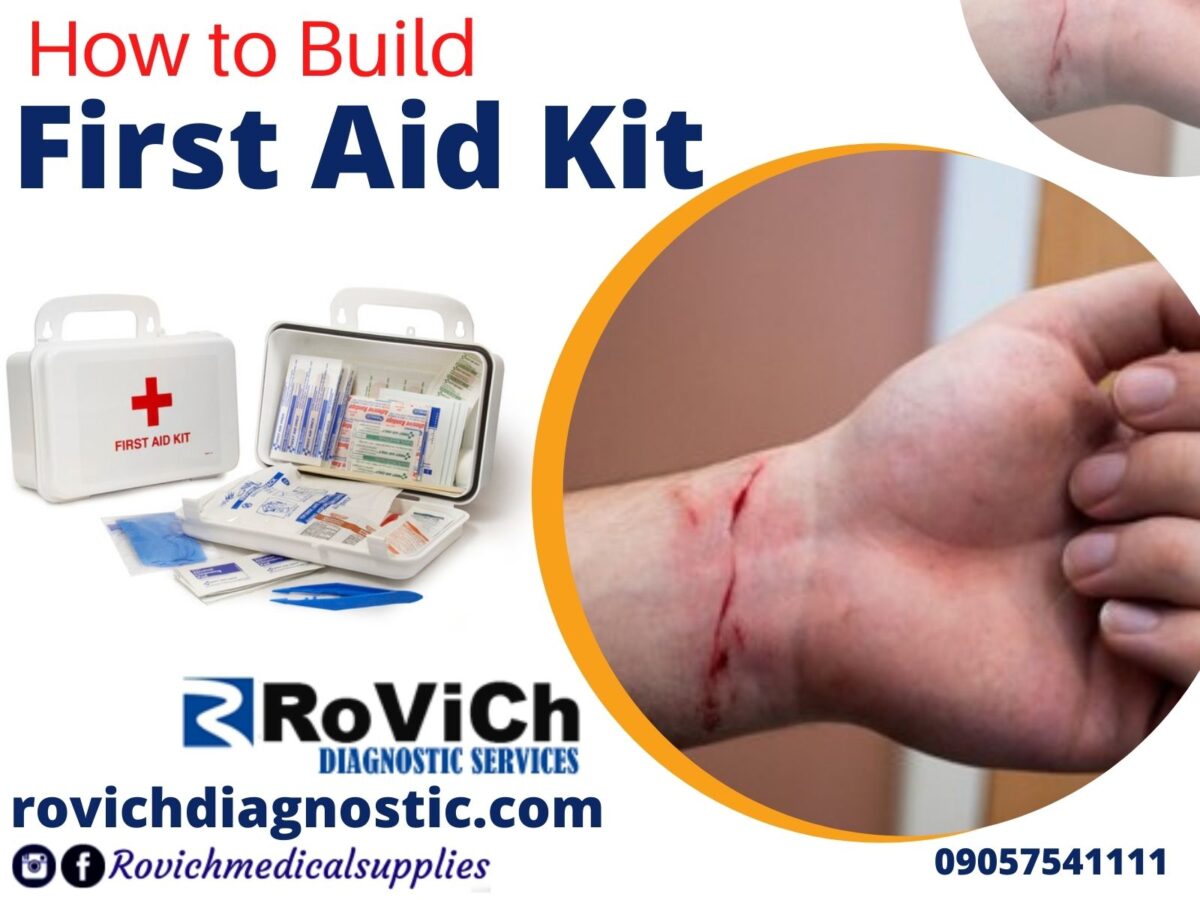
first aid kit

first aid kit

First Aid Kit

How to get a working  first aid kit?

What would you do if you cut your finger while chopping vegetables? How would you handle a stovetop burn, a spider bite, or a child’s scrape from a fall? Minor injuries happen every day, and most are easy to treat at home. But to handle them quickly and calmly, you need to know what to do and have the right supplies.

It is imperative that a well-stocked first aid kit is a must-have for treating minor injuries at home and on the go. You can buy a first aid kit or put one together on your own. Keep your supplies in a sturdy, clear plastic box so you can see what’s inside.

Rovich Diagnostics

What should be the content of the first aid kit?

How often should first aid kit be check?

Items can run out if you use them often, and medicines can expire if you rarely need them, so go through everything in your kit, and replace any empty or out-of-date items at least once a year.

Rovich Medical supplies

How and where to store first aid kit?

You don’t want to go searching for supplies when there’s a minor accident to attend to. Your kit should be easy to find. But it should be kept in a high, childproof cabinet, far away from kids’ prying fingers. Keep one full-sized kit in a central spot at home, such as your kitchen or bathroom. Then put a smaller kit in your car or purse for when you’re on the road.

How to prevent scars?

When your body heals after a cut, scrape, or burn, sometimes a scar can be left behind. Depending on the injury, some scars are small, and others are bigger and more noticeable.

To prevent scars, follow these tips:

  • Wear helmets, kneepads, and other protective gear to avoid injury.
  • Treat any cuts or other wounds right away.
  • Keep the wound moist (try an antibiotic ointment or petroleum jelly) while it heals.
  • Don’t pick at the scab.
  • Consider covering your cut with silicone gel sheeting, a clear, sticky pad that can speed healing.
  • If the scar isn’t fading, ask your doctor about creams or ointments to make it less obvious.

Hope this was helpful, for more updates contact us Rovich Diagnostics Services
first aid kit


Blue-Controller-Faux-OrganicAbstract-Technology-Gaming-Facebook-Shops-Cover-20-1200x900.jpg
31/Aug/2021

Eye Treatment

eye clinic

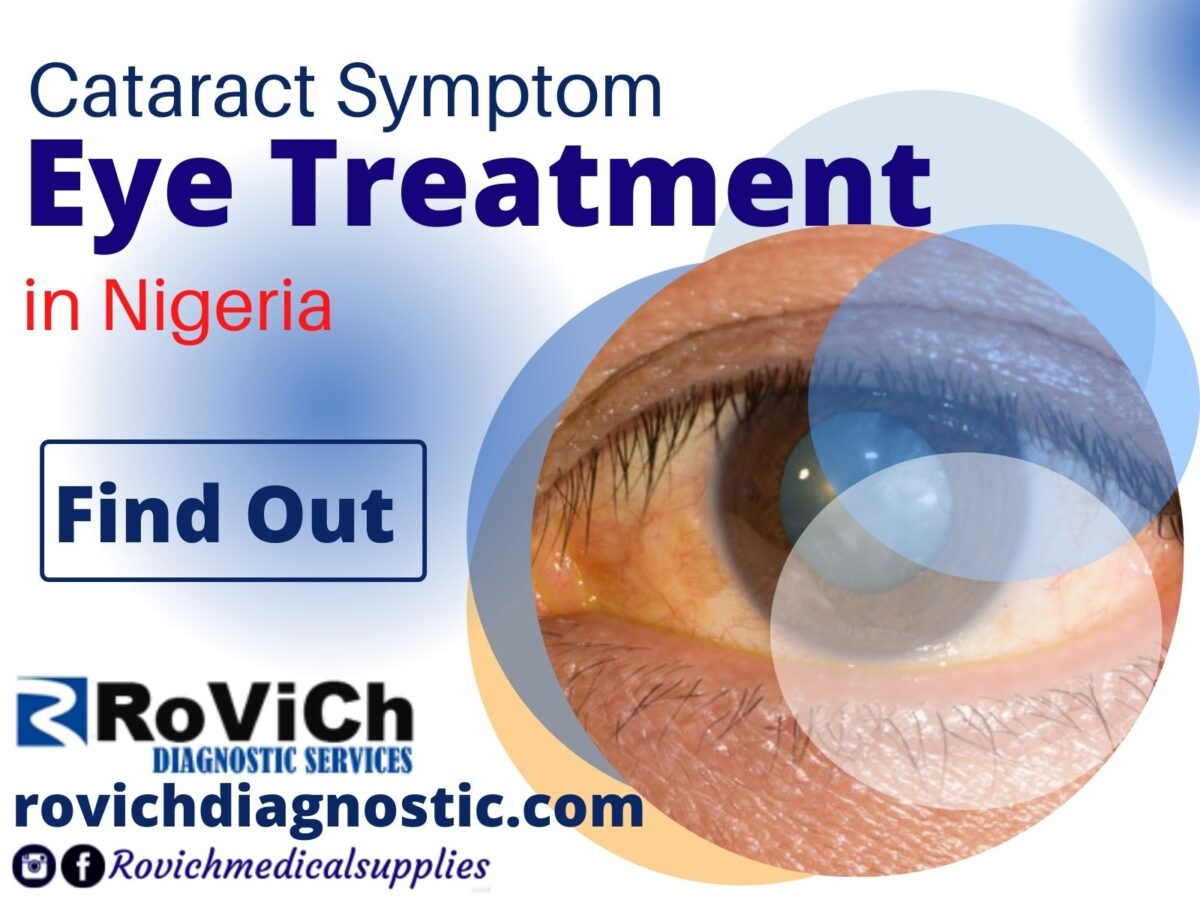
Cataract Symptom: Glare Eye Treatment

Eye Treatment

Glare, or sensitivity to light, is another symptom of cataracts. It can be difficult for a person with cataracts to see in bright sunlight. Indoor lights may begin to seem too bright, or they may appear to have halos around them. Glare from oncoming headlights can cause problems with driving at night.

Cataract Symptom: Double Vision

Double Vision

Diplopia, or double vision, when looking with one eye can be another symptom of cataracts. This is not the same as diplopia that arises from improper alignment of your eyes. The double vision seen with cataracts occurs even when you look through only one eye.

Cataract Symptom: Color Changes

eye treatment

Cataracts also affect color vision. Some colors may appear faded, and things may acquire a yellowish or brownish tint. This may not be noticed at first, but with time, distinguishing between blues and purples can be difficult.

Cataract Symptom: Second Sight

Rovich Diagnostics services

The phenomenon known as “second sight” is another characteristic of cataracts. In this situation, the cataract acts as a stronger lens, temporarily improving the ability to see things at a close distance. People who formerly needed reading glasses may no longer need them. However, as the cataract worsens over time, this temporary improvement in near vision disappears.

Cataract Symptom: New Prescription (Eye Treatment)

eye treatment

People with cataracts often need frequent changes in their eyeglasses or contact lenses because their vision deteriorates over time.

Who Can Get Cataracts?

Rovich medicals

Most cataracts occur in older people and are related to the aging process. Over half of Americans over 65 have cataracts. Sometimes, babies can be born with cataracts, known as congenital cataracts. Uncommonly, children can get cataracts as a result of illness or trauma to the eye.

Rovich Diagnostics services

What Are the Causes of Cataracts?

It is not precisely understood why people get cataracts. Aging is a known risk factor. Other factors that may also play a role in the development of cataracts include:

  • Smoking
  • Excessive use of alcohol
  • Diabetes
  • Trauma to the eyes
  • Extended use of corticosteroids
  • Prolonged radiation or sun exposure

How Are Cataracts Diagnosed?

Cataracts can be diagnosed with an eye exam. The eye exam contains a vision test and an examination of your eyes using a slit lamp microscope. The pupils are dilated with special eyedrops to provide a better view of the back of your eye, where the retina and optic nerve are located.

Cataract Surgery Eye Treatment

Surgery to remove cataracts may be required if the related vision loss cannot be corrected with glasses or contact lenses. Cataract surgery involves removing the cloudy natural lens and replacing it with an artificial lens. The operation is usually done on an outpatient basis and is very safe and effective. For those who need surgery on both eyes, the surgery is usually done on one eye at a time.

Types of Cataract Surgery

The most common type of cataract surgery is known as phacoemulsification (phaco). In this procedure, the doctor makes a tiny incision in the eye and breaks up the lens using ultrasound waves. The lens is then taken out and replaced with an intraocular lens (IOL).

Another type of cataract surgery is called extracapsular cataract surgery. This procedure involves a larger incision and removal of the cloudy lens in one piece. In most cases, placement of an IOL eliminates the need for thick eyeglasses or contact lenses.

Innovations In Cataract Surgery (Eye Treatment)

New developments in cataract surgery allow for procedures that correct both near and distance vision, reducing or even eliminating the need for glasses after the operation. Conventional “monofocal” lenses only correct distance vision, so people still need reading glasses after surgery. So-called “toric” implants are available to correct astigmatism. This picture illustrates a lens in development (shown next to a dime) that offers better color vision.

What to Expect After Cataract Surgery

After surgery, your eyes may itch and feel sensitive to light for a few days. You may need to wear a shield or glasses for protection, and you may be prescribed eyedrops to speed the healing process (Eye Treatment). It takes about 8 weeks for the eye to completely heal even though changes in vision are apparent shortly following the surgery. You may still need glasses for distance vision or reading, after the surgery, and it is likely that you will require a new prescription after your eye has healed.

Hope this was helpful, for more update involving eye contact us

Eye Treatment


Blue-Controller-Faux-OrganicAbstract-Technology-Gaming-Facebook-Shops-Cover-18-1200x900.jpg
30/Aug/2021

How to stop Bleeding


INTRODUCTION HOW TO STOP BLEEDING

Bleeding time is a medical test done on someone to assess their platelets function. It involves making a patient bleed then timing how long it takes for them to stop bleeding. The term template bleeding time is used when the test is performed to standardized parameters. The bleeding time test is a method indicated when other more reliable and less invasive tests for determining coagulation are not available. However, it remains the most reliable way of assessing clinical bleeding in patients with uremia.Historically it was indicated whenever the physician needed information about platelet activation. The process involves cutting the underside of the subject’s forearm, in an area where there is no hair or visible veins. The cut is of a standardized width and depth, and is done quickly by an automatic device. A blood pressure cuff is used above the wound, to maintain venous pressure at a specified value. The time it takes for the bleeding to stop (i.e. the time it takes for a platelet plug to form) is measured. Cessation of bleeding can be determined by blotting away the blood every several seconds until the site looks “glassy”. Bleeding time is affected by platelet function, certain vascular disorders and von Willebrand Disease—not by other coagulation factors such as haemophilia. Diseases that cause prolonged bleeding time include thrombocytopenia, disseminated intravascular coagulation (DIC), Bernard-Soulier disease, and Glanzmann’s thrombasthenia. Aspirin and other cyclooxygenase inhibitors can significantly prolong bleeding time. While warfarin and heparin have their major effects on coagulation factors, an increased bleeding time is sometimes seen with use of these medications as well. People with von Willebrand disease usually experience increased bleeding time, as von Willebrand factor is a platelet adhesion protein, but this is not considered an effective diagnostic test for this condition. It is also prolonged in hypofibrinogenemia. 

Medical Consultation

How to test for bleeding time

A blood pressure cuff is inflated around your upper arm. While the cuff is on your arm, the health care provider makes two small cuts on the lower arm. They are just deep enough to cause a tiny amount of bleeding. The blood pressure cuff is immediately deflated. Blotting paper is touched to the cuts every 30 seconds until the bleeding stops. The provider records the time it takes for the cuts to stop bleeding. A standard-sized incision is made around 10 mm long and 1 mm deep. The time from when the incision is made until all bleeding has stopped is measured and is called the bleeding time. Every 30 seconds, filter paper or a paper towel is used to draw off the blood.

A forecast result :  Bleeding normally stops within 1 to 9 minutes. However, values may vary from lab to lab. A prolonged bleeding time may be a result from decreased number of thrombocytes [platelets] or impaired blood vessels. However, the depth of the puncture or incision may be the source of error.

rovich diagnostics  

How to stop Bleeding 2021 Review

Bleeding time is a medical test that measures how fast small blood vessels in the skin stop bleeding. The bleeding time test is used to evaluate how well a person’s blood is clotting. The test evaluates how long it takes the vessels cut to constrict and how long it takes for platelets in the blood to seal off the hole. where the pre-operative assessment of patients taking aspirin or NSAIDs and screening for von-Willebrand disease.

 NOTE :  A prolonged bleeding time may be a result from decreased number of thrombocytes [platelets] or impaired blood vessels

Diseases that cause prolonged bleeding time include

  • von Willebrand disease — a genetic disorder caused by a missing or defective clotting protein
  • thrombocytopenia — a deficiency of blood platelets
  • disseminated intravascular coagulation(DIC) — widespread formation of blood clots in the small blood vessels throughout the body
  • Glanzmann’s thrombasthenia — a genetic disorder in which the platelets have a deficient fibrinogen receptor
  • hypofibrinogenemia — a partial deficiency of fibrinogen


Frequently ask question 

What are the 3 stages of blood clotting?

  •  Constriction of the blood vessel
  •  Formation of a temporary “platelet plug.
  •  Activation of the coagulation cascade
  •  Formation of “fibrin plug” or the final clot.

How to stop Bleeding

What is the risk involved during the bleeding time test

There is a very slight risk of infection where the skin is cut.

What are the factors affecting bleeding time?

The bleeding time is affected by the antiplatelet variables of

 all of which interfere with accurate interpretation of the test results.

CONCLUSION

Most people will never need a bleeding time test. You may need to have a bleeding test if you’ve been experiencing bleeding that won’t stop, especially from small incisions, punctures, or cuts. Your doctor can choose from a number of tests to evaluate your platelet function. A bleeding time test is a common test to screen patients having prolonged bleeding times. Abnormal results from a bleeding time test can be a sign that you need more in-depth testing to find the cause of your prolonged bleeding. It could mean you have an acquired platelet function defect, which is a condition that develops after birth and affects how well your blood platelets work. Your body may produce too many or too few platelets, or your platelets may not work properly.

Hope this was helpful for more information contact us

How to stop Bleeding


Blue-Controller-Faux-OrganicAbstract-Technology-Gaming-Facebook-Shops-Cover-14-1200x900.jpg
25/Aug/2021

Exercise

Reading Exercise 

rovich medical supplies

Benefit: This exercise helps to release the strain and pressure caused by astigmatism, and must be done 2 to 4 times a day.

The exercise should be done in the following steps:

  1. Pull out a book.
  2. Place an object next to it. After reading a paragraph from the book, focus on the object.
  3. Continue doing this until your eyes start to feel tired.


Exercise along a figure 

Rovich Medical Supplies

Benefit: This work out helps your eyes regain their strength and become more flexible.
The exercise should be done in the following steps:

  1. Look at a distance of 10 feet from your eyes.
  2. Move your eyes along a figure for 2 minutes.
  3. Do the same in reverse for 2 minutes.

Each exercise mentioned above is meant to improve the strain and pressure exerted upon the eye muscles. Performing these exercises daily will reduce the symptoms and eventually treat astigmatism. Make sure you consult your eye doctor to find out if these exercises will work for you.


Eye Massage 

Rovich Medical Supplies


Benefit: This exercise restores the shape of the cornea.
This should be done in the following steps:

  1. Close your eyes and then place two fingers on each of your eyelids.
  2. By applying gentle pressure, slowly move your fingers in a circular motion from top to bottom and from right to left.
  3. Move your fingers clockwise as well as anti-clockwise.
  4. Repeat it for 10–15 times, 2 to 4 times a day.


Vision Breaks Exercise

Rovich Medical supplies

Benefit: This exercise relieves eye pressure and strain.
The exercise should be done in the following steps:

  1. Take a break from writing, reading, or staring at the computer.
  2. Focus on other objects in the distance for at least 20 seconds
  3. Repeat this exercise as many times as possible in a day.


Exercise

Head Tilting Work Out

Rovich Medical supplies

Benefit: This exercise helps the extraocular muscles to regulate the force they exert on the eyeball.
The exercise should be done in the following steps:

  1. Look in the mirror to find out if you tilt your head to one side.
  2. Spend time every day consciously trying to tilt your head in the opposite direction.


Rectus muscle relaxation

Exercise

Benefit: This work out relaxes the rectus muscles, which reduces the stress on the cornea and also strengthens the muscles around the eyes. It should be done 2 to 4 times a day.
The work out should be done in the following steps:

  1. Place your thumb over your nose at a 90-degree angle.
  2. Move it clockwise to 12 o’clock position. Keep it there for 2-3 seconds and then bring it back. Make sure your eyes follow your thumb.
  3. Now move the thumb to 1 o’clock position, keep it there for 2-3 seconds and move it back to the original position (90-degree angle).
  4. Repeat this for all clock positions.
  5. Don’t forget to breathe properly during this exercise.


Eye Yoga Work Out

Exercise

Benefit: This work out strengthens eye muscles, sharpens focus and improves vision.
The exercise should be done in the following steps:

  1. Keep your posture straight. Stand, sit in the chair or on the floor.
  2. Close your eyes, breathe while concentrating on your eyes.
  3. Slowly start moving your eyeballs from side to side.
  4. Do this work out several times a day.


 Blinking Work Out

Exercise
Benefit: Blinking keeps your eyes moist, hence, allowing you to focus better. It also decreases eye strain keeping them refreshed.
The exercise should be done in the following steps:

  1. Set a 2-minute timer.
  2. Blink every 3-4 seconds.
  3. Do this work out at least 4 times a day.


Exercise


Blue-Controller-Faux-OrganicAbstract-Technology-Gaming-Facebook-Shops-Cover-12-1200x900.jpg
23/Aug/2021

Federal Hospital

Federal Hospital in Nigeria. Since no one wants to risk his or her life and take a risk in the slightest negligence in treatment, we all have a choice to choose what is best for us to stay alive, but we often forget to asked ourselves if these(snacks, drink, meal, way of life) are healthy for us? This question strikes us to caution our actions for better healthy living as the hospital is no place one could wish to be. An old phrase would say “You never miss your health until you lose it”. health shouldn’t be taken for granted as it is the real wealth and not pieces of gold and silver. I understand for one to have a healthy body you need to have (exercise, good thoughts, eating good food, taking a good sleep)  which tends to be highly repetitive when engaged in it regularly, as it is a major driver of neuroplastic changes in the brain and body system, which is why physical exercise is one of the most important factors in restoring and maintaining mental as well as physical health across the life span, starting from the moment one begins such a program.

Generally, hospitals have evolved since the 1700s when the first U.S. public hospital sheltered and provided medical healthcare to the poor. Until the late 20th century, public hospitals represented the “poor house” that undertook social welfare roles. The “poor house” also provided secondary medical care, specifically during epidemics. Let’s focus on medical centers where treatments of different illnesses can best be handled by experts in the field to restore and maintain good healthcare in Nigeria. There are factors to consider when choosing a hospital for medication. For non-emergency situations – such as childbirth planning or undergoing scheduled or routine medical procedures – patients often have a choice of what type of hospital to go to, either public or private.

Best medical consultation

Introduction 

A hospital is a health care institution providing patients treatment with specialized medical and nursing staff with full medical equipment or facilities. Specialized hospitals can help reduce health care costs compared to general hospitals.is because the specialist practitioner has all the medical facilities to handle any health problems more effectively as it relates to its line of specialization. The hospital which is best known to have an emergency department to treat urgent health problems is the general hospital, caring for problems ranging from fire and accident victims, sudden illness leading to deformation or death of the patient. With so many different types of hospitals and medical facilities, you may wonder what makes one hospital or facility different from another, with a good medical practitioner and facilities a whole lot of difference can be made. Specialized hospitals include trauma centers, rehabilitation hospitals, children’s hospitals, seniors’ (geriatric) hospitals, and hospitals for dealing with specific medical needs such as psychiatric treatment and certain disease categories. Hospitals are classified as general, specialty, or government depending on the sources of income received.

The Federal hospital

Firstly, with the anticipation of free health services, there is a high likelihood of poor quality of services. The sole responsibility of any government is to provide basic amenities for its citizens. One of the key areas governments focus their attention on is public health care which renders public services to every citizen of the state. Federal hospitals do have benefits as they are equipped with the latest technology and healthcare materials, as Most federal hospitals have strict rules and policies when it comes to treating people. Citizens have the benefit of receiving free health care services through a federal health care center.

Federal Hospital

A federal hospital some times refer to as a public hospital is any medical healthcare center owned by the government of the people and is fully funded by the government and operates solely off the money that is collected from taxpayers to fund healthcare initiatives thereby creating employment for doctors and specialist in a different field. In some countries, this type of hospital provides medical care free of charge to patients, covering expenses and wages by government reimbursement. Although the services provided by public and private hospitals have some similarities with a little difference. Since costs tend to be lower in publicly operated hospitals, it is the best option for those who have restrictive insurance or who are not wealthy and able to pay for their healthcare out of pocket.

Medical System

ADVANTAGES OF FEDERAL HOSPITAL

  • Federal or Public hospitals are much larger than private hospitals. It has a different ward for different illnesses such as maternity ward for children, men, pregnant women and people with disabilities, etc.
  • Federal hospitals provide the best and latest technology and healthcare materials needed to treat and diagnose illnesses. 
  • Public hospitals are funded by the government and so are unable to turn away patients with any kind of illness or emergency.
  • The cost of treatment is considerably cheaper than a state hospital and they have a resident doctor in case of an emergency.
  • The federal hospital is owned and controlled by the federal government and is fully funded by the Government which therefore creates more employment for medical practitioners and training of aspiring doctors and nurses.
  • Because they are partly or fully funded by the federal government, federal hospitals accept nearly every type of insurance and are very flexible.
  • They also have a much higher number of beds, so they can accommodate more patients at a time.
  • The federal hospital has a good standard of medical facilities required to handle any emergency.


THE DISADVANTAGES OF FEDERAL HOSPITAL 

  • Due to the influx of people which leads to overcrowding, one may have trouble obtaining medical care as it will prolong or delay medical attention.
  • In the federal hospital doctors and nurses are not always available especially if a patient requires immediate treatment or has a suspected serious illness.
  • There is no privacy in the federal hospital which one is prone to contacting another illness from the environment.
  • Cheaper and less effective medication may be given in place of quality and effective drugs. It should not be expected that citizens have the best quality of health services due to the limited budget and expenditure of the ministry. 


THE STATE HOSPITAL

With the poor performance of the federal government’s low budget in providing good medical care for citizens in all states, the state government took it upon itself to assist with the best medical facilities needed to treat and handle any medical illnesses. This comes with a higher maintenance cost as most of the state cant afford a well-standard fully equipped hospital for her citizens. You will see that people tend to visit private hospitals more than public hospitals.

A state hospital is any medical healthcare establishment that is licensed by the ministry of health to provide medical attention to citizens under medical need, as it is owned and funded by the state government without the support of federal fund thereof all operational medical activities and payment of staffs are run by the state government, for-profits and non-profits making. State hospitals are commonly part of the health development in any country as they will help to save lives.


ADVANTAGES OF STATE HOSPITAL

  • State hospitals have a short period of waiting time.
  • A state hospital enables the patient to select their preferred surgeon or doctor for treatment.
  • State hospitals offer an excellent doctor-to-patient ratio. In addition, there is usually a larger number of attentive staff (nurses) per patient in state hospitals.


DISADVANTAGES OF STATE HOSPITAL

  • State hospitals are not easily affordable as services in these settings tend to be much higher.
  • State hospitals can refuse treatment due to lack of healthcare equipment, as they might refer you to a private or federal hospital.
  • State or local hospitals are not well secured as a result of poor employment of security guards.
  • They are unhygienic as cleaners are not employed as much to keep the environment clean.
  • They do not conduct proper medical checkups and lack drugs in the hospital pharmacy.
  • The doctors are not very well educated to handle surgical analysis as they don’t have a resident doctor.
  • In the state or local hospital there is a lack of proper communication.
  • They have no ambulance for emergencies.

Federal Hospital

FREQUENTLY ASKED QUESTIONS

QUESTION 1

 What is the difference between a teaching hospital and a maternity hospital?

Answer 

A teaching hospital is a healthcare hospital that has an accredited medical residency-training program and usually has an affiliation with a medical school to train students or persons aspiring to be a nurse in the medical practice

While

Maternity hospital specializes in caring for women during pregnancy and childbirth. It also provides care for newborn infants and may act as a center for clinical training in midwifery and obstetrics. 

QUESTION 2.

Can I treat malaria by taking antibiotics every month?

Answer 

Firstly, taking drugs without running a medical test and prescription by a doctor or pharmacist is drug abuse. Antibiotics are not healthy when taken often and are not advisable. 

QUESTION 3.

How can we improve a state hospital?

Answer 

Improving a state hospital requires the state government to

  1. Employ qualify doctors and nurses 
  2. Purchase new technologies for medical treatments of patients
  3. Provide state pharmacists with original drugs
  4. Employ cleaners to keep the environment clean
  5. Provide a complete laboratory and ultra-scan machine for diagnosis of illness.

It is very easy to purchase all kinds of modern medical facilities in Nigeria, at Rovich Diagnostics Services we provide all kinds of technology for the medical sections and all engineering sections. Our services are the best for any changes in your business. 

CONCLUSION 

Choosing the right hospital and physician are important factors to consider that significantly influence a patient’s treatment. The preferred choice for many patients in choosing a hospital is dependent on the location and type of illness. Rovich Diagnostics Services  got you covered in all kinds of physiotherapy, Eye clinical issues and many more.

Even though hospitals are mostly funded by taxpayers, some hospitals, as well as medical research facilities, receive charitable donations. Besides this, there is an increasing trend of privatization of some hospital services if those services go beyond provincial health budgets. All hospital federal and state hospitals should be well taken care of as the health of the citizens is a priority for the government.


rovich diagnostic services


Blue-Controller-Faux-OrganicAbstract-Technology-Gaming-Facebook-Shops-Cover-9-1200x900.jpg
18/Aug/2021

Types of Ultrasound scan

An ultrasound scan is a medical test that uses high-frequency sound waves to capture live images from the inside of your body. It’s also known as sonography. The technology is similar to that used by sonar and radar, which help the military detect planes and ships. Types of Ultrasound allows your doctor to see problems with organs, vessels, and tissues without needing to make an incision. Unlike other imaging techniques, ultrasound uses no radiation. For this reason, it’s the preferred method for viewing a developing fetus during pregnancy. Also Ultrasound or ultrasonography is a medical imaging technique that uses high frequency sound waves and their echoes. The technique is similar to the echolocation used by bats, whales and dolphins, as well as SONAR used by submarines. Ultrasound was originally developed during World War I to track submarines as SONAR technology (Sound, Navigation And Ranging). Ultrasound was first used medically in the 1950s, with very early applications in fetal biometry; nowadays, it is used in just about every field of medicine. Furthermore, it is also now practiced by a wide variety of professionals, in a multidisciplinary setting. The Types of Ultrasound listed below is a high frequency sound beyond the hearing of the human ear. The frequencies of ultrasound required for diagnostic medical imaging are in the range 1–20 MHz. These frequencies can be obtained by using piezoelectric materials (particularly crystals). When an electric current is applied and reversed across a slice of one of these materials, the material contracts or expands. So a rapidly alternating electric field can cause a crystal to vibrate. These vibrations are then passed through any adjacent materials, or into the air as a longitudinal wave is produced – a sound wave


Types of Ultrasounds 

Abdominal Ultrasound

An abdominal ultrasound is a useful way of examining internal organs, including the liver, gallbladder, spleen, pancreas, kidneys, and bladder. This can help to diagnose a variety of conditions and to assess the damage caused by illness. Because it provides real-time images, ultrasound can also be used to:

  • Guide procedures such as needle biopsies, in which needles are used to sample cells from organs for laboratory testing.
  • Help a physician determine the source of many abdominal pains, such as stones in the gallbladder or kidney.
  • Help identify the cause for enlargement of an abdominal organ.
  • Doppler ultrasound is a special type of ultrasound study that examines major blood vessels. These images can help the physician to see and evaluate:
  • Blockages to blood flow, such as clots.
  • Build-up of plaque inside the vessel.
  • Congenital malformation.
  • Types of Ultrasound scan

Pelvic Ultrasound Imaging

Pelvic ultrasounds are one of the most well-known forms of ultrasound, being one of the imaging tests used to monitor the health of the embryo or fetus during pregnancy. Aside from maternity medicine, these ultrasounds are also used to examine the uterus, ovaries, bladder, and prostate gland. Pelvic ultrasound is often used to diagnose conditions or the cause of conditions such as:

  • Pelvic pain
  • Abnormal bleeding
  • Menstrual problems
  • Ovarian cysts
  • Uterine fibroids
  • Ovarian and uterine cancers
  • Kidney and bladder stones

Transabdominal

Patients receiving a transabdominal ultrasound need to have a full urinary bladder. Like other ultrasound procedures, patients lie on their back as a gel is applied to the abdomen. The transducer is then rubbed over the examination area and releases sound waves. This is a fairly straightforward ultrasound exam.

Transvaginal Ultrasound

For a transvaginal ultrasound, a woman needs to empty her bladder the same way she would for a gynecological exam. She also lies face up on her back with feet in stirrups. The transducer of the ultrasound needs to be inserted for this test. The transducer is smaller than the standard speculum used in Pap tests. A protective cover and gel for lubrication is placed on the transducer before it is inserted in the vagina.

Only the first two to three inches of the transducer is inserted in the vagina. The doctor may move it around to obtain images from different angles. The most common reason for transvaginal pelvic ultrasounds is to look for the cause of pelvic pain. Most patients report that this exam is more comfortable than a manual gynecologic examination.

Types of Ultrasound scan

Transrectal

In order to perform an ultrasound on the prostate gland, the transducer must be inserted through the rectum so that the sound waves can travel to the prostate. As with other inserted ultrasound procedures, the transducer is covered with a protective cover and lubrication before insertion. The transducer will need to be moved around in order to obtain images from different angles. These exams are typically performed with the patient lying down on their left side and knees bent up towards the chest.

The doctor may recommend a biopsy be performed if a lesion is found during the exam. In a biopsy, the radiologist uses the ultrasound images to guide a needle towards the prostate gland and extract a sample of the abnormal tissue. Ultrasound-guided biopsies are minimally invasive and only require a small incision.

Obstetric Ultrasound Imaging

Obstetric ultrasound (OB ultrasound) refers to the specialized use of sound waves to visualize and thus determine the condition of a pregnant woman and her embryo or fetus. Obstetric ultrasound should be performed only when clinically indicated. Some indications may be:

  • To establish the presence of a living embryo/fetus
  • To estimate the age of the pregnancy
  • To diagnose congenital abnormalities
  • To evaluate the position of the fetus
  • To evaluate the position of the placenta
  • To determine if there are multiple pregnancies

You will be asked to lie on your back or side. You will also be asked to expose your lower abdominal area. The obstetric ultrasound examination takes about 30-45 minutes.

This is a painless procedure. There may be varying degrees of discomfort from pressure as the sonographer guides the transducer over your abdomen, especially if you are required to have a full bladder. At times the sonographer may have to press more firmly to get closer to the embryo or fetus to better visualize the structure. This discomfort is temporary. Also, you may dislike the feeling of the water-soluble gel applied to your abdomen. With transvaginal scanning, there may be minimal discomfort as the transducer is moved in the vagina.

Best clinic for Eye

Carotid & Abdominal Aorta Ultrasound Imaging

Ultrasound of the carotid arterial system provides a fast, noninvasive means of identifying blockages of blood flow in the neck arteries to the brain that might produce a stroke or mini-stroke. Ultrasound of the abdominal aorta is primarily used to evaluate for an aneurysm which is an abnormal enlargement of the aorta usually from atherosclerotic disease.

The patient is positioned on an examination table that can tilt and move. A clear gel is applied to the area that will be examined. The gel helps the transducer make a secure contact and eliminates air pockets between the transducer and the skin, since the sound waves cannot penetrate air. The sonographer or radiologist then presses the transducer firmly against the skin and sweeps along the area of interest, reviewing the images on the monitor and capturing “snapshots” as required.

Liver Ultrasound

Liver Ultrasound determines the size, shape, and function of the liver, and can be used to detect tumors.

Renal Ultrasound

Renal ultrasound determines the size, shape, and function of the kidneys, and can be useful in the detection of kidney stones, cysts, and tumors.

Vascular Ultrasound

Vascular ultrasounds are used to analyze the flow of blood through the arteries and veins.

Thyroid Ultrasound

Thyroid Ultrasound checks for underactive and overactive thyroid glands, nodules, and cysts

Importance of ultrasound

There are multiple diagnostic uses of ultrasound. Until ultrasound came along, doctors could only listen to the foetal heart, on which presence was assumed to be an indicator of foetal well-being. With the advent of ultrasound, the information available to the pregnant patients’ attending doctors has increased markedly. Doctors are able measure the size of the foetus, which helps in determining when delivery of the baby would be expected; monitor growth of the developing foetus; check for structural abnormalities of foetus, e.g. head, and spine between 18 and 20 weeks of pregnancy; locate the site of the placenta; check for evidence of foetal well being or compromise with examinations of the foetal heart and even perform procedures on the foetus. The detection and assessment of growths in the female reproductive tract like fibroids, tubal or ovarian masses, cancers etc is another use of ultrasound. Ultrasound is used in the detection and assessment of conditions in the heart. It is used to examine the size, shape, and movement of the heart, including its valves and chambers as well as the blood flow through the heart. This type of ultrasound is called an echocardiogram, which can even be used to diagnose cardiac abnormalities in foetuses prior to their birth (foetal echocardiography). Ultrasound is used in the diagnosis of deep vein thrombosis (DVT), which is a condition in which there is blood clot formation (thrombi) in the deep veins. The thrombi can break loose and travel to the lungs, causing pulmonary embolism, which is a life threatening condition. Abnormal conditions in other organs that can be detected and assessed by ultrasound include the liver, gallbladder, pancreas, kidneys, bladder, prostate, testes, breasts, thyroid, lymph nodes, skin, joints, and eyes. Procedures like biopsies, in which tissue samples are taken for analysis, can be carried out under ultrasound guidance. The types of ultrasound listed below are  used as a guide to the correct location of the site for the biopsy to be carried out. Examples include breast and prostate biopsies.

Best medical consultation

Limitations

The limitations to the use of ultrasound are due to its properties, viz: ultrasound waves cannot pass through bone, air, or gas. Therefore, it is not possible to produce detailed images of some parts of the body like the brain, which is surrounded by bone. Doctors utilise other imaging methods like CT scans and magnetic resonance imaging (MRI) scans to examine parts of the body that are not suitable for ultrasound examination.

Mechanism of an ultrasound scan

  1. The ultrasound machine transmits high-frequency (1 to 5 megahertz) sound pulses into your body using a probe.
  2. The sound waves travel into your body and hit a boundary between tissues (e.g. between fluid and soft tissue, soft tissue and bone).
  3. Some of the sound waves get reflected back to the probe, while some travel on further until they reach another boundary and get reflected.
  4. The reflected waves are picked up by the probe and relayed to the machine.
  5. The machine calculates the distance from the probe to the tissue or organ (boundaries) using the speed of sound in tissue (5,005 ft/s or1,540 m/s) and the time of each echo’s return (usually on the order of millionths of a second).
  6. The machine displays the distances and intensities of the echoes on the screen, forming a two dimensional image like the one shown below.

Frequently ask question on Types of Ultrasound

What happens after the test?

A radiologist will interpret your ultrasound images. Your doctor will discuss the results with you at a follow-up appointment. Your doctor may ask for another follow-up scan or other tests and set up an appointment to check on any issues that were found.

The difference between sonogram and types of Ultrasound

Often, the terms sonogram and ultrasound are used interchangeably. However, there’s a difference between the two:

  • An ultrasound is a tool used to take a picture.
  • A sonogram is the picture that the ultrasound generates.
  • Sonography is the use of an ultrasound tool for diagnostic purposes.

NOTE : an ultrasound is the process, while a sonogram is the end result.

rovich diagnostic services

Types of Ultrasound

Sonography is a noninvasive, painless procedure. It uses high-frequency sound waves — called ultrasound waves —to produce images of organs, soft tissues, blood vessels, and blood flow, from inside the body. These images are used for medical analysis.

After x-ray exams, ultrasound is the most commonly used form of diagnostic imaging. It helps doctors gain insights into the inner workings of the body, and is known for being:

  • safe
  • radiation free
  • noninvasive
  • portable
  • widely accessible
  • affordable

Sonogram

A sonogram (also called an ultrasonogram) is the visual image produced during an ultrasound examination.

What is these Types of Ultrasound used for?

Probably best known for confirming and monitoring pregnancy, ultrasound is also commonly used by doctors for:

Diagnostics

Doctors use ultrasound imaging to help diagnose conditions affecting the organs and soft tissues of the body, including:

  • abdomen
  • liver
  • kidneys
  • heart
  • blood vessels
  • gallbladder
  • spleen
  • pancreas
  • thyroid
  • bladder
  • breast
  • ovaries
  • testicles
  • eyes

There are some diagnostic limitations for ultrasounds. For example, sound waves do not transmit well through areas that might hold gas or air (such as intestines), or areas blocked by dense bone.

Medical procedures

When a doctor needs to remove tissue from a very precise area in the body — such as in a needle biopsy — ultrasound imaging can help with visual direction.
best Medical Consultation

Conclusion of Types of Ultrasound

Historically, the diagnosis of appendicitis has been made based on clinical findings. Diagnostic imaging has been used primarily to evaluate patients who have an atypical clinical presentation. Over the past several years, improvements in imaging technology have contributed to an increase in diagnostic accuracy in these patients.

These Types of Ultrasound has been suggested and used as the primary diagnostic imaging modality to evaluate for appendicitis. However, sonography is known to be highly operator dependent; large patient habitus and atypical appendiceal location are additional factors that may reduce the reliability of a negative sonographic examination for appendicitis.

CT is more accurate than ultrasound in the diagnosis of acute appendicitis. When dedicated CT examination of the appendix is performed to evaluate all patients with clinically suspected appendicitis, the diagnostic accuracy is 98%. Early and accurate diagnosis of appendicitis can decrease patient morbidity and hospital costs by reducing the delay in diagnosis of appendicitis and its associated complications, as well as by avoiding inpatient observation prior to surgery in patients who present with atypical symptoms. Furthermore, both CT and ultrasound may rapidly provide alternative diagnoses which can be treated on an outpatient basis.

Types of Ultrasound scan

Hope this was helpful, for more updates contact Us Rovich Diagnostics Service


Blue-Controller-Faux-OrganicAbstract-Technology-Gaming-Facebook-Shops-Cover-7-1200x900.jpg
16/Aug/2021

Best clinic for Eye

Best clinic for Eye

Chalazion (Eyelid Cyst)

Chalazion (Eyelid Cyst) A chalazion (also called a meibomian cyst, tarsal cyst, or conjunctival granuloma) is the inflammation of a small cystic gland in the eyelid. The gland opening becomes clogged and the gland swells. Chalazions are treated with warm compresses, though in rare cases they may require antibiotics. If the chalazion becomes severe, causes changes in vision, or is persistent, it may be removed surgically. Corneal Ulcer A corneal ulcer is a common eye condition. It refers to small crater (ulcer) on the front part of the eye, usually following an infection. Bacteria, viruses, or fungus can cause a corneal ulcer. People who wear contact lenses are at higher risk for corneal ulcers. That’s because infectious agents may get trapped behind a lens. People deficient in vitamin A are particularly vulnerable to corneal ulcers. Symptoms of a corneal ulcer include: • pain, • intense redness, • feeling as if the eye is scratched or something is in the eye, • sensitivity to light, and • blurry vision. If you suspect a corneal ulcer or have the symptoms of a corneal ulcer and wear contact lenses, see your ophthalmologist immediately. High potency antibiotics and pain medications are the treatments for this condition. Diabetic Retinopathy People with diabetes often have problems with their blood vessels throughout their bodies and the eye is no exception. Diabetes can come with complications, such as diabetic retinopathy. This eye problem affects the blood vessels in the back of the eye, on the retina. There are two types of diabetic retinopathy: • Nonproliferative retinopathy, the less severe type in which there may be bleeding in the retina and leakage of blood or serum causing a "wet retina." • Proliferative retinopathy, a more severe type where new abnormal blood vessels grow on the retina. These vessels may bleed into the vitreous (the clear jelly in the center of the eye) and cause visual problems. Treatment involves laser surgery but damage may be permanent. The best way to prevent diabetic retinopathy is with strict glucose control and a healthy lifestyle (weight loss, dietary restrictions, and exercise). Diabetes and Dry Eyes Multiple studies have shown a relationship between diabetes and dry eyes. What’s more, studies suggest that the higher your blood sugar levels spike, the more likely you are to have dry eyes. This eye condition is mainly treated with eye drops, blocking tear ducts, or medicine that increases how much your eyes tear. Crossed Eyes (Strabismus) Crossed eyes (strabismus) is an eye problem involving a misalignment of your eyes. In other words, your eyes do not look in the same direction as they should. One eye may track differently than the other, causing a disjointed appearance. Young children born with this disorder may develop decreased vision in one eye (amblyopia, also known as “lazy eye.”). Treatment for strabismus involves using an eye patch on the stronger eye, eye exercises, and possibly surgery. Floaters Floaters are caused by aging changes in the vitreous jelly of the eye. They are a common consequence of aging. If you develop multiple floaters, or floaters associated with pain, get checked by your ophthalmologist. In general floaters do not cause blindness and are mostly harmless. There is no definitive treatment for floaters, as most will fade or become less noticeable over time. Farsightedness (Hyperopia) Farsightedness (hyperopia) is difficulty focusing on objects that are close. It is very common and the incidence increases with age. It is caused by an abnormally flat cornea that does not allow light to sharply focus on the retina. Glasses, contact lenses, or surgery may be used to correct hyperopia.A chalazion (also called a meibomian cyst, tarsal cyst, or conjunctival granuloma) is the inflammation of a small cystic gland in the eyelid. The gland opening becomes clogged and the gland swells. Chalazions are treated with warm compresses, though in rare cases they may require antibiotics. If the chalazion becomes severe, causes changes in vision, or is persistent, it may be removed surgically.


Best clinic for Eye Corneal Ulcer

A corneal ulcer is a common eye condition. It refers to small crater (ulcer) on the front part of the eye, usually following an infection. Bacteria, viruses, or fungus can cause a corneal ulcer.eye_diseases_and_cond_s14_corneal_ulcer

People who wear contact lenses are at higher risk for corneal ulcers. That’s because infectious agents may get trapped behind a lens. People deficient in vitamin A are particularly vulnerable to corneal ulcers.

Symptoms of a corneal ulcer include:

  • pain,
  • intense redness,
  • feeling as if the eye is scratched or something is in the eye,
  • sensitivity to light, and
  • blurry vision.

If you suspect a corneal ulcer or have the symptoms of a corneal ulcer and wear contact lenses, see your ophthalmologist immediately. High potency antibiotics and pain medications are the treatments for this condition.

ROVICH

Best clinic for Eye Diabetic Retinopathy

People with diabetes often have problems with their blood vessels throughout their bodies and the eye is no exception. Diabetes can come with complications, such as diabetic retinopathy. This eye problem affects the blood vessels in the back of the eye, on the retina.

There are two types of diabetic retinopathy:

  • Nonproliferative retinopathy, the less severe type in which there may be bleeding in the retina and leakage of blood or serum causing a “wet retina.”
  • Proliferative retinopathy, a more severe type where new abnormal blood vessels grow on the retina. These vessels may bleed into the vitreous (the clear jelly in the center of the eye) and cause visual problems.

Treatment involves laser surgery but damage may be permanent. The best way to prevent diabetic retinopathy is with strict glucose control and a healthy lifestyle (weight loss, dietary restrictions, and exercise).

Diabetes and Dry Eyes

Multiple studies have shown a relationship between diabetes and dry eyes. What’s more, studies suggest that the higher your blood sugar levels spike, the more likely you are to have dry eyes. This eye condition is mainly treated with eye drops, blocking tear ducts, or medicine that increases how much your eyes tear.

Best clinic for Eye Crossed Eyes (Strabismus)

Best clinic for EyeCrossed eyes (strabismus) is an eye problem involving a misalignment of your eyes. In other words, your eyes do not look in the same direction as they should. One eye may track differently than the other, causing a disjointed appearance.

Young children born with this disorder may develop decreased vision in one eye (amblyopia, also known as “lazy eye.”). Treatment for strabismus involves using an eye patch on the stronger eye, eye exercises, and possibly surgery.


Floaters

Best clinic for EyeFloaters are caused by aging changes in the vitreous jelly of the eye. They are a common consequence of aging. If you develop multiple floaters, or floaters associated with pain, get checked by your ophthalmologist. In general floaters do not cause blindness and are mostly harmless. There is no definitive treatment for floaters, as most will fade or become less noticeable over time.


Farsightedness (Hyperopia)

Best clinic for EyeFarsightedness (hyperopia) is difficulty focusing on objects that are close. It is very common and the incidence increases with age. It is caused by an abnormally flat cornea that does not allow light to sharply focus on the retina. Glasses, contact lenses, or surgery may be used to correct hyperopia.

Hope this was helpful, for more update on how to take care of your eyes Contact Us Rovich Diagnostics Service


ROVICH


Rovich medical Services is a top diagnostic centre that provides world class medical services


Social networks


Facebook

www.facebook.com


Twitter

#WeCare


Instagram

www.instagram.com


Emergency number


0905 754 1111


Call us now if you are in a emergency laboratory need, we will reply swiftly and provide you with an aid


Copyright by Rovich Medical Services. All rights reserved.