Blog

Completely synergize resource taxing relationships via premier niche markets. Professionally cultivate one-to-one customer service with robust ideas.
15.jpg
27/Jan/2023

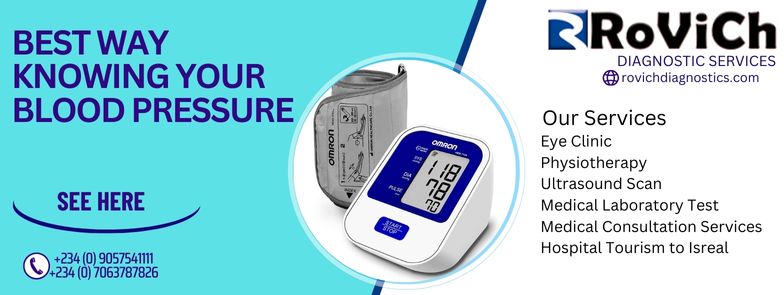
Best Way knowing your Blood Pressure

Introduction

medical practitioner will take your blood pressure to see if you have hypertension. 
blood pressure reading can differ by 10% or more depending on your test preparation, the position of your arm, and other variables. 
That might be sufficient to mask excessive blood pressure, put you on medication you don’t actually need, or cause your doctor to erroneously change your meds.
Guidelines from both the national and international levels provide detailed instructions for taking blood pressure. 
Never be afraid to ask doctor, nurse, or medical assistant to follow the rules if they aren’t doing it correctly.

The Blood Pressure Readings

Take two readings of your blood pressure with short interval in between. 
Have it done third time if the readings deviate by five points or more.
These guidelines can occasionally be broken. 
You should have your blood pressure checked while seated and then while standing to determine if it changes from one position to the other if you occasionally feel lightheaded after getting out of bed in the morning or when you stand after sitting.

The Doctor’s Pattern

Your doctor will hardly ever diagnose hypertension based solely on single reading because blood pressure changes during the course of the day. Instead, he or she will want to double-check the measurements at least twice, typically few weeks apart. 
If you have blood pressure level of 180/110 mm Hg or higher, this guideline does not apply to you. 
Usually, result this severe necessitates immediate medical attention.

How Important is it to Check your Blood Pressure

it’s good idea to have your blood pressure checked in both arms at least once, as one arm (often the right) may have higher number than the other. 
An analysis of over 3,400 participants published in The American Journal of Medicine in 2014 revealed an average difference in systolic blood pressure of around points from arm to arm. 
Making treatment decisions should be based on the greater number.
In general, readings between 140/90 and 159/99 should be repeated after two weeks, and those between 160/100 and 179/109 should be done after four weeks. Prehypertension patients (those with readings between 120/80 and 139/89 mm Hg) should have a follow-up exam within four to six months, and those with normal readings (less than 120/80 mm Hg) should have a follow-up exam once a year. However, if your prior blood pressure readings were significantly lower, if there are symptoms of heart, brain, kidney, or eye damage, or if you have additional cardiovascular risk factors, your doctor could recommend an earlier follow-up appointment. Every time you visit a doctor’s office, your blood pressure is typically checked as well.

Finding Your Real Average Blood Pressure

For seven days, take readings in the morning and evening to determine your “actual average” blood pressure. Put this off until at least two hours after dinner and early in the morning.

For the best outcomes while utilizing blood pressure cuff monitors, follow these steps:

Three cm above your elbow is where the blood pressure cuff should terminate. The fit is good if two fingers can fit between the cuff and your arm.

  • The arm you’ll be using for the measurement should be free of any restrictive or bulky clothes.
  • Sit calmly with your feet flat on the floor and your back resting against the back of a chair or other sturdy surface.
  • Wrap the blood pressure cuff around your upper arm at the level of your heart while supporting your arm on a stable surface.
  • Before beginning the measurement, sit quietly for at least five minutes.
  • Record the reading in your logbook after taking it. When you visit your doctor, bring the logbook

Conclusion

We have been able to see here some vital information on Blood Pressure and ways to check them… contact us Rovich Diagnostic Services for consultancy.

Hope this was helpful on the topic “Best Way knowing your Blood Pressure”


Navy-Yellow-Modern-Business-Facebook-Cover-17-1200x676.jpg
01/Nov/2022

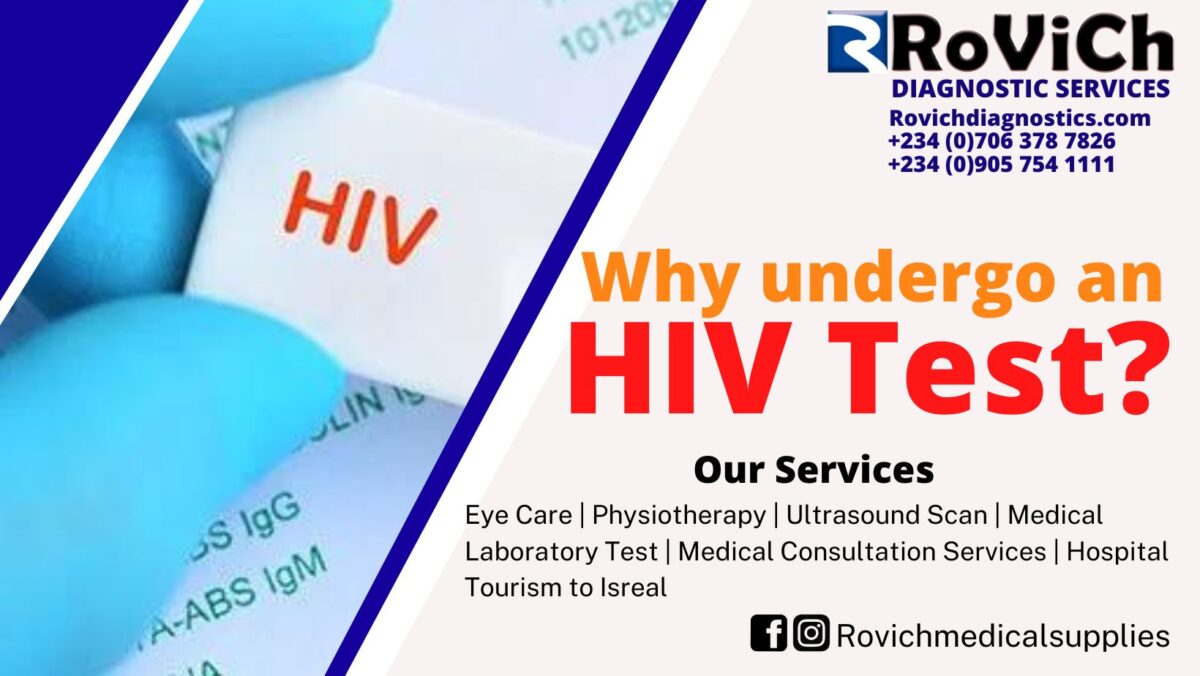
Why undergo an HIV test?

The only way to know for sure if you have HIV is to be tested. Although you might be anxious about the findings, early detection offers several advantages.

  • Early detection enables you and your physician to start creating a treatment strategy that may prevent problems and infections and give years of good life.
  • HIV can result in health issues that are potentially fatal if untreated.
  • Early disease detection warns you to prevent risky conduct that could infect others.
  • The stress of not knowing whether you have HIV can be eliminated by being tested.

Who needs to have an HIV test?

You should be tested if you believe you have been exposed to HIV. You have a higher chance of getting HIV if you:

Share drug syringes or needles.
Use a condom during anal sex, especially receptive anal sex.
Have sex without using a condom with a person who is infected
Without using a condom, engage in vaginal or anal intercourse with someone whose HIV status is unknown, especially if they are at high risk of contracting HIV.
Possess a sexually transmitted illness like syphilis, genital herpes, chlamydial infection, gonorrhea, or bacterial vaginosis, which appear to make people more susceptible to contracting HIV while having sex with infected partners.

When should have an HIV test?

Most tests search for antibodies that your body produces to fend off HIV infection. 
These antibodies don’t appear right away after infection but instead appear few weeks to six months afterwards. 
Antibodies typically take three to four weeks to form.
It is ineffective to be checked right away after suspecting an infection. 
In this case, if the test results are negative, you should be retested in three months and then again in six months. 
Avoid all actions that can cause HIV to be transmitted to others during this testing time, such as unprotected sex and sharing needles or syringes.
For further information, speak with your physician, registered nurse, or the medical professionals conducting your HIV test.

Where can I go and get tested for HIV?

In the Bay Area, you can get tested for HIV in clinics, hospitals, private medical offices, and health agencies. Some websites provide free, drop-in testing that is anonymous and does not require an appointment. Since no one’s name is ever recorded at the test site, anonymous testing ensures that no one may access your test results.

Additionally, you can request HIV testing through your physician, hospitals, and some health departments. Although not always anonymous, this testing is usually confidential. Confidential testing entails that only you and the medical professional know the results, which may be included into your medical file and made accessible to individuals with the proper authorization. In some cases, insurance firms may be a part of this.

The majority of testing facilities offer HIV and AIDS counseling, in which counselors speak in privacy about the test, HIV, hazardous behavior, and measures to prevent HIV and AIDS. Counselors also talk about test findings, provide support, and, if necessary, make suggestions for AIDS-related resources in your neighborhood.

you could also get tested in any of our location across Nigeria Rovich Diagnostics Service 

  • -1 Ihiala Avenue, Upper Chime-New Heaven Enugu.
  • -139 Zik Avenue by Parker’s BusStop Awka.
  • -244 Ifite/Amansea Rd. Unizik Gate by Chibueze Lodge Awka.

What happens if have HIV?

If you test positive, it does not necessarily indicate you have or will get AIDS. 
It implies that you are infected with the AIDS-causing virus and can spread it to others. 
To stop the infection from spreading, you should start an HIV management plan and take preventative measures.
If you are HIV positive, you should consult doctor or nurse about an HIV care plan as soon as you can. 
Your health depends on receiving continuous care and an early diagnosis. 
Most testing locations have counselors or doctors on site who will collaborate with you to create treatment plan or connect you to someone who can help.
You can get recommendations from your therapist or doctor for local resources and support groups. 
It’s not just you.  Your diagnosis may be easier to manage if you seek out assistance from others.

Conclusion

We have been able to see here that early detection enables you and your physician to start creating a treatment strategy that may prevent problems and infections and give years of good life. for more info contact us Rovich Diagnostic Services for consultancy.

Hope this was helpful on the topic “Why undergo an HIV test?


Navy-Yellow-Modern-Business-Facebook-Cover-16-1200x676.jpg
31/Oct/2022

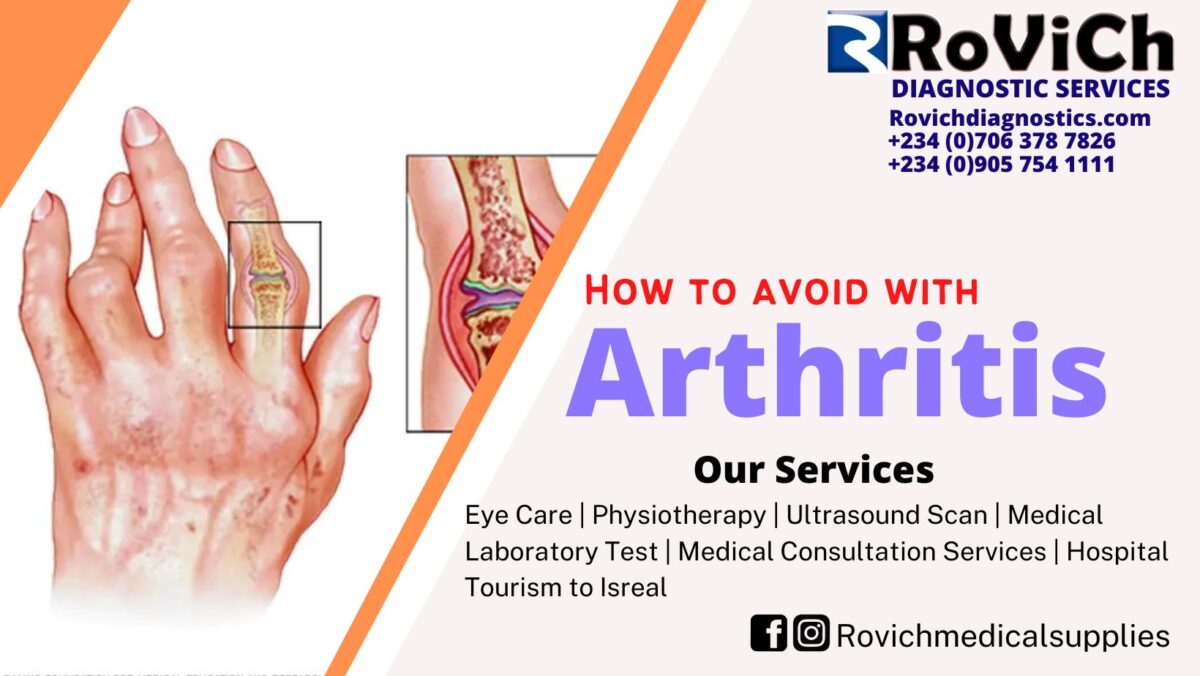
How to avoid with Arthritis

Arthritis discomfort

Arthritis refers to a group of disorders characterized by joint pain and inflammation.

It is a degenerative disorder, in which symptoms develop over time, or an autoimmune kind of arthritis with extra-articular symptoms marked by inflammatory flares and a chronic clinical course?

Osteoarthritis (OA) and rheumatoid arthritis (RA) are the two kinds of arthritis (RA).

OA is caused mostly by cartilage wear and tear, which causes bones to rub together, causing friction, injury, and inflammation.

RA is a systemic disease that causes symptoms all over the body. It is an autoimmune illness that occurs when the immune system destroys healthy joint tissue by mistake.

Doctors can prescribe medication to ease arthritic pain, but they also frequently advocate natural remedies.

Remember to consult your doctor before attempting any arthritis treatment, whether it involves medication or not.

Make use of heat and cold therapy.

Heat and cold treatments can help reduce the pain and inflammation associated with arthritis.

Taking a lengthy, warm shower or bath in the morning to help relieve stiffness and using an electric blanket or wet heating pad to lessen discomfort overnight are two heat therapies.
Cold therapies can aid in the relief of joint discomfort, edema, and inflammation. Wrap a towel around a gel ice pack or a bag of frozen veggies and apply it to hurting joints for immediate relief. Never put ice straight on your skin.
Capsaicin, derived from chili peppers, is a component of certain over-the-counter topical ointments and lotions. These items provide warmth, which can help to relieve joint pain.

Get plenty of exercise.

Exercise can help you if you have arthritis:

control your weight
maintain your joints flexible strengthen the muscles around your joints for added support
Current recommendations highly advise beginning a suitable workout regimen. Exercising with a trainer or another individual can be particularly beneficial because it boosts motivation.

Low-impact exercises to consider include: Swimming, walking, cycling, tai chi

Consider reflexology.

Acupuncture is an ancient Chinese medical procedure in which small needles are inserted into particular places on your body. According to practitioners, it works by rerouting energy and restoring balance in the body.

Acupuncture may help with arthritic pain, and the ACR/AF recommends treatment on a case-by-case basis. While there is little evidence to demonstrate its advantages, the risk of harm is regarded as low.

Find a licensed and certified acupuncturist to do this therapy.

Maintain a healthy weight.

Your weight might have a significant impact on your arthritis symptoms. Extra weight puts additional strain on your joints, particularly your knees, hips, and feet.

The American College of Rheumatology and the Arthritis Foundation (ACR/AF) highly advise decreasing weight if you have OA and are overweight or obese. Your doctor can assist you in establishing a weight-loss goal and developing a program to help you achieve that goal.

Losing weight can help reduce the stress on your joints: Enhance your mobility,  reduce pain and prevent future joint deterioration

To deal with pain, try meditation.

Meditation and relaxation practices may help lessen arthritis pain by lowering stress and allowing you to manage better with it. Stress reduction may also aid in the reduction of inflammation and pain.

  • Tai chi and yoga are recommended by the ACR/AF. These mix low-impact exercise with meditation, relaxation, and breathing techniques.
  • According to the National Institutes of Health (NIH), some patients with RA benefit from practicing mindfulness meditation.
  • Anxiety, stress, and depression are all common effects of chronic pain diseases like arthritis.

Cooking with turmeric

Turmeric, the yellow spice commonly used in Indian cuisine, contains a molecule known as curcumin. It contains anti-inflammatory and antioxidant effects. According to research, it may help lessen arthritis pain and inflammation.

Turmeric was given to rats in an animal study cited by the National Center for Complementary and Integrative HealthTrusted Source. It reduced inflammation in their joints, according to the results.

More research is needed to determine how turmeric works, but adding a tiny quantity of this mild but pleasant spice to your dinner is probably a safe bet.

Conclusion

We have been able to see here that these difficulties in body joint pain. You’ve suffered a serious injury or the joint appears to be misaligned.
The swelling of the joint happens all of a sudden or has the joint become fully immovable or are you suffering from acute joint discomfort.. contact us Rovich Diagnostic Services for consultancy.

Hope this was helpful on the topic “How to avoid with Arthritis”


Navy-Yellow-Modern-Business-Facebook-Cover-15-1200x676.jpg
31/Oct/2022

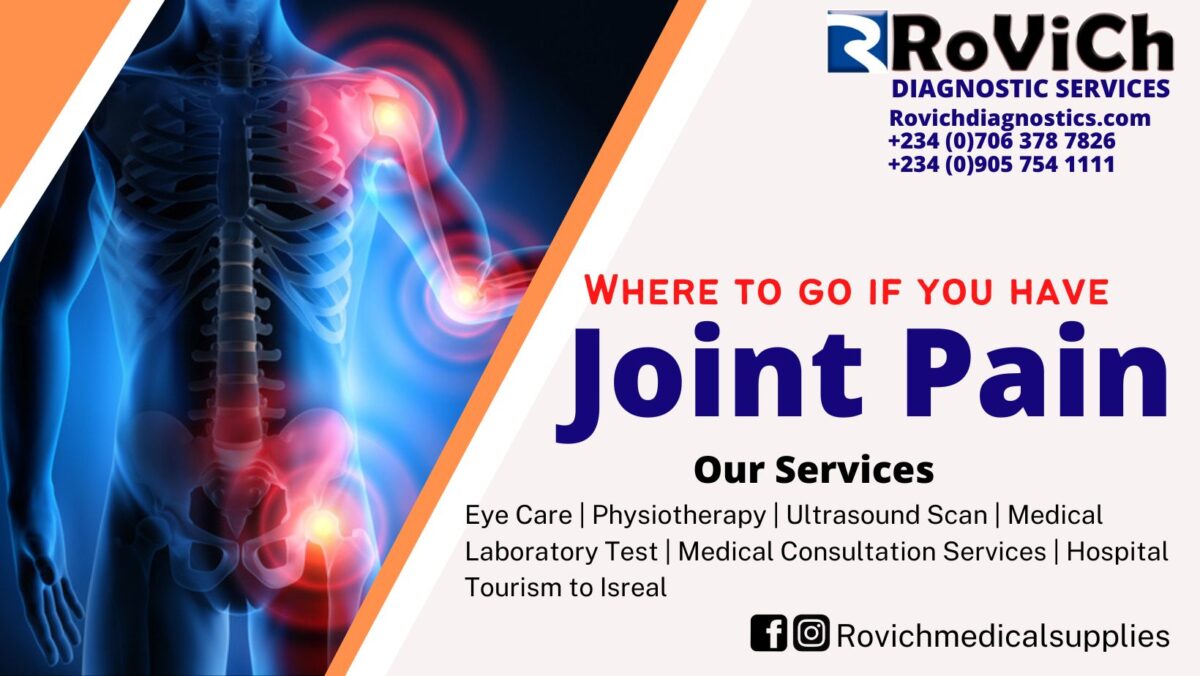
Where to go if you have Joint Pain

What are the signs and symptoms of joint pain?

In some circumstances, your joint pain will necessitate a visit to the doctor. If you don’t know what’s causing your joint discomfort and are suffering other inexplicable symptoms, you should see a doctor.
You should also visit a doctor if you experience any of the following symptoms:
the joint area is swollen, red, sensitive, or heated to the touch
The agony lasts three days or longer.
You have a fever but no other flu symptoms.

If any of the following occur, go to the emergency room:

You’ve suffered a serious injury.
The joint appears to be misaligned.
The swelling of the joint happens all of a sudden.
The joint has become fully immovable.
You are suffering from acute joint discomfort.

How is joint discomfort identified?

Your doctor will most likely undertake a physical examination. They will also ask you questions concerning your joint pain. This may aid in narrowing down the possible causes.

A joint X-ray may be required to diagnose arthritis-related joint deterioration.

If your doctor suspects another cause, he or she may request a blood test to screen for autoimmune illnesses. They may also require a sedimentation rate test or a complete blood count to determine the extent of inflammation in the body.

How can joint discomfort get better?

Treatment at home.
Both OA and RA are considered chronic illnesses by doctors. 
There is presently no treatment available that will totally eliminate or prevent the joint discomfort associated with arthritis. 
There are, however, strategies to manage the pain:
To alleviate pain, edema, and inflammation, utilize topical pain medications or nonsteroidal anti-inflammatory medicines.
Maintain physical activity and follow fitness regimen that emphasizes moderate exercise.
Stretch before exercise to keep your joints in good working order.
Maintain healthy body weight range. 
This will reduce the strain on the joints.
If your pain isn’t caused by arthritis, you can try a nonprescription anti-inflammatory medication, a massage, a warm bath, frequent stretching, and appropriate rest.

Medical attention

Your therapy options will be determined by the source of the discomfort. In certain situations, your doctor may need to extract fluid from the joint area to test for infection, gout, or other causes of joint pain. They may also advise surgery to replace the joint.

Other nonsurgical treatment options may include lifestyle modifications or drugs that may cause your RA to remit. Your doctor will first address inflammation in the case of RA. Once your RA is in remission, your medical care will focus on keeping a firm grip on your condition and preventing flare-ups.

What is the prognosis for persons suffering from joint pain?

Joint discomfort is frequently caused by injury caused by normal wear and tear. It can, however, be an indication of an infection or potentially serious RA.

If you experience unexplained joint discomfort, consult your doctor, especially if it does not go away after a few days. Early discovery and diagnosis can help you cure the underlying cause of your discomfort.

Conclusion

We have been able to see here that these difficulties in body joint pain. You’ve suffered a serious injury or the joint appears to be misaligned.
The swelling of the joint happens all of a sudden or has the joint become fully immovable or are you suffering from acute joint discomfort.. contact us Rovich Diagnostic Services for consultancy.

Hope this was helpful on the topic “Where to go if you have Joint Pain”


Navy-Yellow-Modern-Business-Facebook-Cover-14-1200x676.jpg
29/Oct/2022

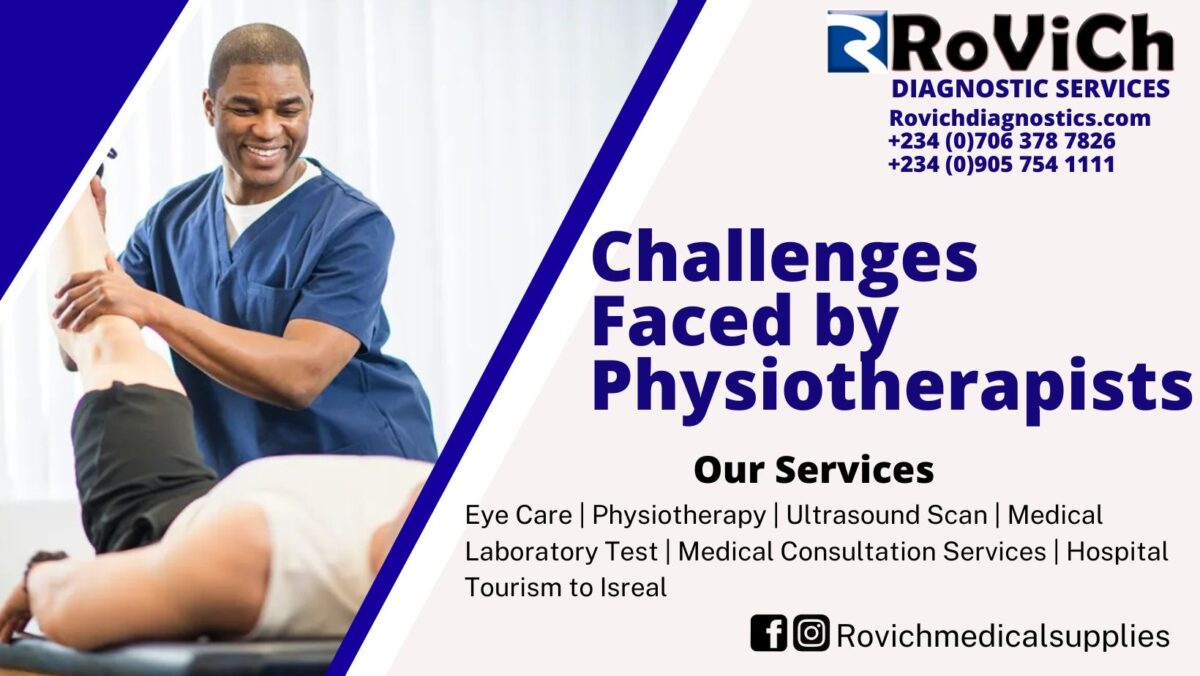
Challenges Faced by Physiotherapists

Physiotherapists Must Stay Current With Trends

As previously stated, health regulations and rules are updated on a regular basis, therefore as a physiotherapist, one must be knowledgeable about all of them, which is a time-consuming procedure. Not only that, but almost all of the physiotherapists we spoke with claimed they took at least two to three courses every year to stay up to date on new technology, procedures, treatments, and advancements in the industry. All of these courses and programs incur additional expenses and consume a significant amount of time. Keeping up with all of the industry trends is difficult because they are frequently re-evaluated.

Emotional Tension

Physiotherapists have a tight relationship with their patients. They not only assist in their physical therapy, but they also deal with the traumatic experiences and importance associated to each patient and attempt to grasp their current mental state. Close working hours with patients can exhaust physiotherapists emotionally. As most patients’ goals are to gain independent movement, encouraging them to do so needs not only physical labor but also a great deal of nuanced emotional work and motivation. Physiotherapists should focus on their emotional health on a daily basis, as it is closely related to their mental health.

Stress and burnout

Physiotherapy may be quite stressful, much like any other area of medicine. Physiotherapists can feel extreme stress from working long shifts and caring for patients who have chronic illnesses and traumatic experiences. This stress can lead to feelings of burnout and be quite cognitively taxing. A goal that physiotherapists should set for themselves right away is finding a healthy balance between their personal and professional lives.

Documentation

Current healthcare regulation demands documenting at every stage of therapy until the very end, as well as capturing every minor detail from planning to implementation. Not only that, but because health codes and laws change on a regular basis, these documents must be updated, and the entire method must be revised. So everything from medical data to reimbursement claims must be recorded and kept up to date. Because third-party insurance companies handle reimbursement claims, extensive documentation must be developed and presented to them. These records contain the reasons, causes, previous treatments, and daily specifics of each patient, as well as justifying the need for physical therapy.

Physiotherapists Have Limited Supportive Talent

In the field of rehabilitation medicine, physical therapy benefits a wide variety of patients. There is a strong demand for the help and support of competent experts subordinating and helping physiotherapists due to its need and popularity among numerous sectors, including pediatric, orthopedic, neurological, sport, etc. The problem of finding resourceful, knowledgeable, and professional assistants has grown to be challenging for physiotherapists. One of the main issues physiotherapists encounter is a lack of supportive talent. Utilizing digitalization for this is a possible approach. With the use of digital tools and equipment, physical therapy and exercise treatment are now easily supported, and form-correcting software and stations can serve as one of the greatest solutions to this problem.

Conclusion

We have been able to see here that these difficulties arise from time to time, but they are manageable if the proper approach is taken, a balance between personal and professional life is established, and resources and time are managed correctly. Furthermore, digitization has numerous advantages for the physiotherapy industry.. contact us Rovich Diagnostic Services for consultancy.

Hope this was helpful on the topic “Challenges Faced by Physiotherapists”


17-compressed-1200x676.jpg
27/Oct/2022

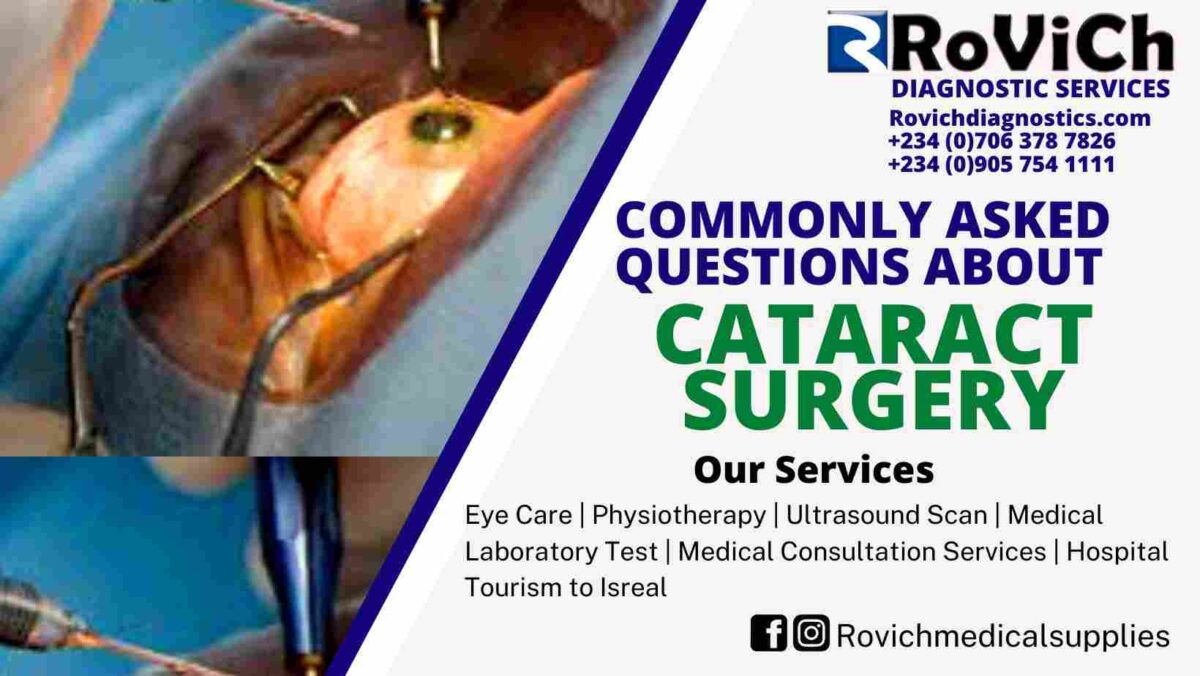
FAQ about Cataract Surgery

What exactly causes cataracts?

The lens of the eye begins to harden and become less clear as part of the normal aging process. As a result, the lens loses its ability to correctly focus light, resulting in increasingly dull, foggy, or blurry vision. Other variables that contribute to the development of cataracts include diabetes, trauma, drugs, and sun exposure.

How will I know if I need cataract surgery?

You and your doctor will decide on the best treatment plan for your cataracts before your vision becomes significantly affected. Because cataracts aren’t considered an emergency, you can take your time deciding when surgery is appropriate for you.

How do I determine which lens implant I require?

We offer many types of Custom Intraocular Lens Implants in addition to Standard Intraocular Lens Implants that can assist improve distant vision, reading vision, and everything in between. Your surgeon and you will discuss your goals and lifestyle preferences, and you will be tested to ascertain the particular dimensions of your eyes. With this information, your surgeon can determine which lenses you are a candidate for and assist you in selecting the implant that is best for you.

Is insurance going to cover cataract surgery?

Medicare supports cataract surgery with Standard Intraocular Lens Implants at the most basic level. Custom Intraocular Lens Implants are not considered medically required by Medicare, thus you will be liable for the portion that Medicare does not cover.

What can I expect from the procedure?

Your outpatient procedure will take place in our surgery center, which is dedicated solely to eye surgery. A little incision will be made, and your eye will be dilated and numbed. Your surgeon will next insert an ultrasound-guided device into the eye to break up and remove the cataract. The replacement intraocular lens that you discussed with your surgeon is then implanted in your eye. The surgery is usually not painful, however we have anesthesiologists on staff to help you relax during the treatment.

Are there any hazards associated with cataract surgery?

Cataract surgery is a pretty common treatment with few consequences. If a complication occurs during surgery, your surgeon may take additional steps to repair the problem, and/or you may be required to return for treatment of the complication. Following surgery, you will have many post-operative appointments to ensure that any potential issues are addressed.

Is it possible for the cataract to reappear after surgery?

No, a cataract that has been surgically removed will not reappear. However, your eye may acquire posterior capsular opacity over time, indicating that the membranes behind the implant have gotten cloudy. To clean your vision, a laser capsulotomy operation can be performed fast.

What can I expect throughout my recovery?

Following surgery, you will be given drops to prevent infection and aid in the healing process. During the healing process, your vision will be impeded, and you may feel something in your eye or a small burning sensation. This, along with any redness, is normal and will go away as the eye heals.

Conclusion

We have been able to see here the list of most frequently asked question about sunglasses. If you have any questions or concerns about what is written here please comment in the discussion below. contact us Rovich Diagnostic Services for consultancy.

Hope this was helpful on the topic “FAQ about Cataract Surgery”


16-compressed-1200x676.jpg
27/Oct/2022

FAQ of Sunglasses

COMMONLY ASKED SUNGLASSES QUESTIONS

Is it true that darker sunglass lenses provide higher UV protection?

No, the level of UV protection is not affected by the darkness of the lens. Some lenses with a mild tint can filter 100% of UV radiation. Darker lenses, on the other hand, may provide more comfort depending on your eyes’ light sensitivity.

Should you use sunglasses when driving?

Certainly during the day! By lowering glare and boosting visibility, the appropriate sunglasses provide better, safer, and more pleasant vision when driving. Wearing sunglasses during the day also assists your eyes to adjust more rapidly to the dark.

What factors contribute to glare?

Light is composed of waves that flow in various directions. Vertical light aids vision and is beneficial to the human eye. Horizontal light, on the other hand, causes glare. Glare is defined as concentrated light reflected from a glossy horizontal surface, such as water, snow, glass, or road blacktop. It limits visibility and makes driving, cycling, skiing, or even sunbathing difficult, uncomfortable, and potentially deadly.

How do polarized sunglasses work?

Polarized sunglasses eliminate almost all glare. The vertically oriented polarizing layer inside a polarized lens prevents horizontal light from passing through. Driving is safer with polarized lenses because drivers react more rapidly to ordinary driving risks when they can see well. With this anti-glare property, you can wear polarized lenses every day and enjoy all of your activities in safety and pleasure.

Will polarized sunglasses protect my eyes?

Long durations spent outside without sufficient eye protection might result in skin cancer on the eyelids and around the eyes. It can also cause damage and disorders such as cataracts. Furthermore, because ultraviolet light is distributed throughout the sky, being out of direct sunlight does not totally protect you. Polarized sunglasses consistently outperform all international safety criteria for UVA, UVB, and UVC protection.

How many pairs of sunglasses should a person own?

Distinct lives, jobs, and hobbies necessitate different frames and lens attributes. Matching your needs with the proper type of eyewear not only boosts your comfort and protects your vision, but it can also improve your performance in daily activities or on the job.

Conclusion

We have been able to see here the list of most frequently asked question about sunglasses. If you have any questions or concerns about what is written here please comment in the discussion below. contact us Rovich Diagnostic Services for consultancy.

Hope this was helpful on the topic FAQ of Sunglasses?


18-compressed-1200x676.jpg
27/Oct/2022

Introduction

Optometrists are eye care specialists who offer basic vision care, including eye exams, corrective lenses, and management of vision changes. A doctor of optometry is not a physician. After completing four years of optometry school, which are preceded by at least three years of college, graduates are awarded a doctor of optometry (OD) degree. They hold license for optometry, profession that largely entails doing eye exams and vision tests, prescribing and dispensing corrective lenses, identifying some visual abnormalities, and administering drugs for some eye disorders.

Differences between optometry and ophthalmology

The differences between optometry and ophthalmology are unclear to many people. Despite the fact that they both deal with eye care, there are a few misunderstandings that are shared between the two. Optometrists and ophthalmologists both play a significant role in the provision of eye care, although they have very different degrees of education and experience.

Who is an ophthalmologist?

A medical professional with a focus on eye and vision care is called an ophthalmologist. Optometrists and ophthalmologists have different levels of training and different areas of expertise. An ophthalmologist is a medical doctor who has completed medical school and at least eight additional years of training, and who is qualified to practice both medicine and surgery. An ophthalmologist conducts eye surgery, diagnoses and treats all eye disorders, and also recommends and fits eyeglasses and contact lenses to treat visual issues.

Ophthalmologists are educated to treat all eye diseases and disorders, although some choose to focus on a particular branch of medical or surgical eye care. A subspecialist in ophthalmology is one who practices in this area. They typically finish a fellowship, which is one to two years of extra, in-depth training in one of the major specialist fields, such as glaucoma, retina, cornea, pediatrics, and others. An ophthalmologist is better equipped to treat more complicated or particular problems in certain regions of the eye or in particular patient populations as a result of this additional training and knowledge.

Knowing the distinctions between eye doctors is crucial because your vision depends on visiting the appropriate one at the right time. To make a vision appointment in Medford or to find out more about the distinctions between optometry and ophthalmology, call now: 07063787826

Conclusion

We have been able to see here the differences between optometry and ophthalmology . If you have any questions or concerns about what is written here please comment in the discussion below. contact us Rovich Diagnostic Services for consultancy.

Hope this was helpful on the topic Difference Between Ophthalmology and Optometry?


Navy-Yellow-Modern-Business-Facebook-Cover-13-compressed-1200x676.jpg
24/Oct/2022

list of diagnostic and laboratory tests

The following is a list of diagnostic tests and methods used to identify pathological and nonpathological bodily states and gather health-related information. It is arranged alphabetically and sorted by process type.

Diagnostic imaging

Genetic testing

Cellular and chemical analysis

Measurement

Physical and visual examination

Conclusion

We have been able to see here the list of diagnostic and laboratory tests . If you have any questions or concerns about what is written here please comment in the discussion below. contact us Rovich Diagnostic Services for consultancy.

Hope this was helpful on the topic “list of diagnostic and laboratory tests ”


Navy-Yellow-Modern-Business-Facebook-Cover-12-compressed-1200x676.jpg
24/Oct/2022

6 important blood tests

Lipid panel

This test measures the levels of two kinds of cholesterol:

HDL (high-density lipoprotein), also known as “good” cholesterol
LDL cholesterol, sometimes known as “bad” cholesterol
HDL is considered “good” because it eliminates dangerous compounds from your bloodstream and assists the liver in breaking them down into trash. LDL is considered “bad” because it can cause plaque to form in your arteries, raising your risk of heart disease.

Before this exam, you may need to fast for at least 8 hours.

 Basic metabolic panel

The fundamental metabolic panel
A basic metabolic panel (BMP) typically looks for eight substances in the blood:

calcium \sglucose
sodium \spotassium
bicarbonate \schloride
creatinine blood urea nitrogen (BUN)
Depending on your doctor’s instructions and the nature of the test, you may be required to fast for at least 8 hours before having your blood drawn.

Abnormal outcomes may indicate:

Diabetes hormone imbalances kidney disease
Your doctor will order more tests to confirm a diagnosis.

Complete blood count

A typical complete blood count (CBC) examines the amounts of ten different components of each major cell in your blood, including white blood cells, red blood cells, and platelets.

This test examines red blood cell count, hemoglobin, and hematocrit, among other things.

The usual Trusted Source range of results is as follows, albeit each laboratory may have a slightly different range:

Component Normal range
red blood cells (cells responsible for carrying oxygen throughout the body) male: 4.3–5.9 million/mm3female: 3.5–5.5 million/mm3
white blood cells (immune system cells in the blood) 4,500–11,000/mm3
platelets (the substances that control the clotting of the blood) 150,000–400,000/mm3
hemoglobin (protein within the red blood cells that carries oxygen to organs and tissues, and carbon dioxide back to the lungs) male: 13.5–17.5 grams/deciliter (g/dL); female: 12.0–16.0 g/dL
hematocrit (percentage of blood made of red blood cells) male: 41–53%; female: 36–46%

Abnormal levels of these components could indicate:

Anemia caused by dietary deficits such as vitamin B6 or B12 deficiency (iron deficiency)
clotting issues
Infection with blood cancer
Immune system dysfunction

Your doctor will conduct more tests based on your results to confirm abnormal levels and a possible diagnosis.

Here are the rangesTrusted Source for each type:

High Low/Optimal
HDL >60 mg/dL male: <40 mg/dL; female: <50 mg/dL (low)
LDL >160 mg/dL <100 mg/dL (optimal)


Comprehensive metabolic panel

A comprehensive metabolic panel (CMP) includes all of the measurements found in a BMP, as well as additional proteins and chemicals associated with liver function, such as:

ALP (albumin total protein alkaline phosphatase) is an enzyme found primarily in the bones and liver that is involved in a variety of biological activities.
Alanine aminotransferase (ALT) is a liver enzyme, whereas aspartate aminotransferase (AST) is present in the liver and various tissues throughout the body.

The same conclusions can be drawn from a CMP as from a BMP for the same substances that a BMP covers. Other abnormal levels can also indicate underlying conditions, such as:

High levels Low levels
ALP • bile duct blockage
• cirrhosis
• gallbladder inflammation
• gallstones
• hepatitis
• Paget’s disease
• bone metabolism disorders
• heart surgery
• malnourishment
• zinc deficiency
ALT • cirrhosis
• hepatitis
• liver cancer
• liver damage
considered normal
AST • cirrhosis
• heart conditions
• hepatitis
• mononucleosis
• (mono)pancreatitis
considered normal
bilirubin • abnormal red blood cell destruction (hemolysis)
• adverse medication reactions
• bile duct blockage
• Gilbert’s syndrome
• hepatitis
not a concern


Thyroid panel

A thyroid panel, often known as a thyroid function test, determines how well your thyroid produces and responds to certain hormones, such as:

Triiodothyronine (T3) (T3). This, in conjunction with T4, regulates your heart rate and body temperature.
Thyroxine (T4) (T4). This, together with T3, regulates your metabolism and growth.
TSH (thyroid stimulating hormone) (TSH). This helps to manage the levels of hormones released by your thyroid.
Your thyroid is a little gland located in your neck. It aids in the regulation of biological functions such as mood, energy level, and overall metabolism.

Here are normal results:

  • T3: 80–180 nanograms per deciliter of blood (ng/dL)
  • T4: 0.8–1.8 ng/dL in adults.
  • TSH: 0.5–4 milli-international units per liter of blood (mIU/L)

Abnormal levels of these hormones can indicate numerous conditions, such as:

Panel of Coagulation

Coagulation tests assess how well your blood clots and how long it takes to clot. Prothrombin time (PT) and fibrinogen activity tests are two examples.

Clotting is an important mechanism that aids in the stoppage of bleeding after a cut or trauma. A clot in a vein or artery, on the other hand, can be fatal since it can cut off blood supply to your brain, heart, or lungs. This can result in a heart attack or a stroke.

The findings of a coagulation test vary depending on your health and any underlying diseases that may affect clotting.

This test’s results can be used to diagnose:

Conclusion

We have been able to see here the 6 important blood test thyroid panel, Panel of Coagulation, Lipid panel, Basic metabolic panel, Complete blood count and Comprehensive metabolic panel. If you have any questions or concerns about what is written here please comment in the discussion below. contact us Rovich Diagnostic Services for consultancy.

Hope this was helpful on the topic “6 important blood tests ”


Rovich medical Services is a top diagnostic centre that provides world class medical services


Social networks


Facebook

www.facebook.com


Twitter

#WeCare


Instagram

www.instagram.com


Emergency number


0905 754 1111


Call us now if you are in a emergency laboratory need, we will reply swiftly and provide you with an aid


Copyright by Rovich Medical Services. All rights reserved.